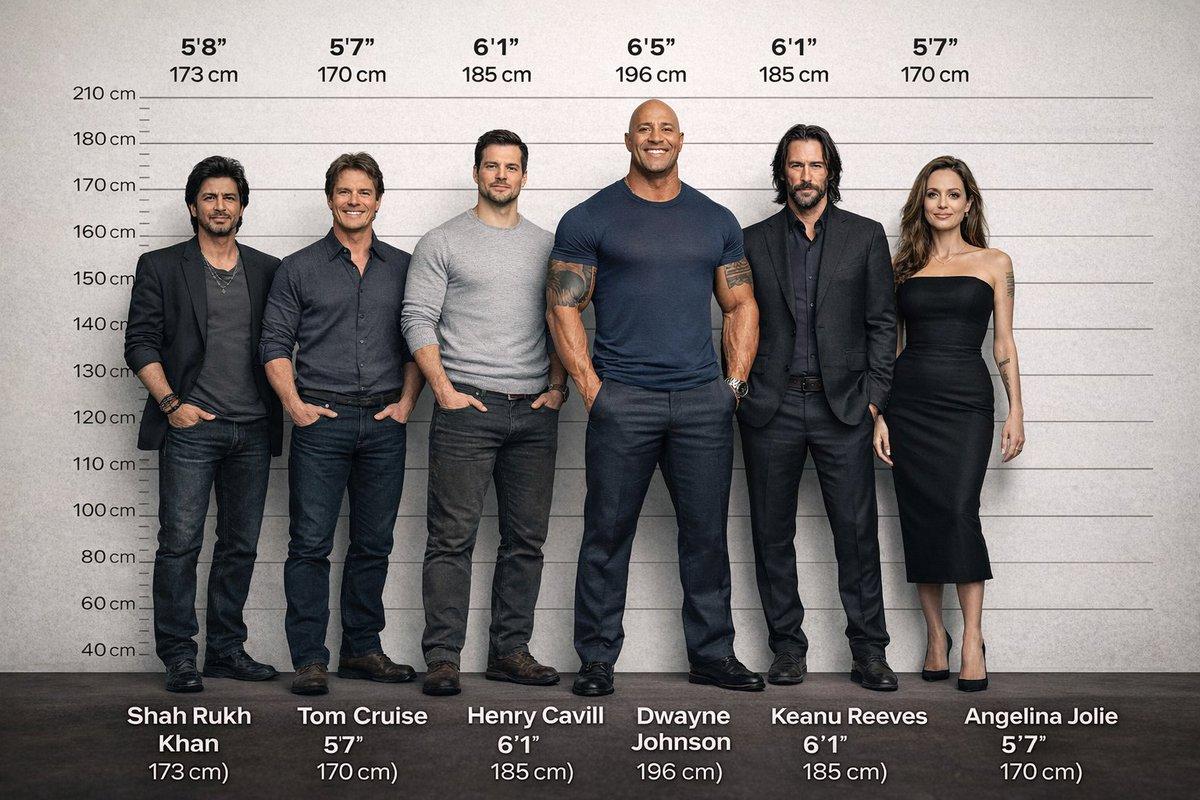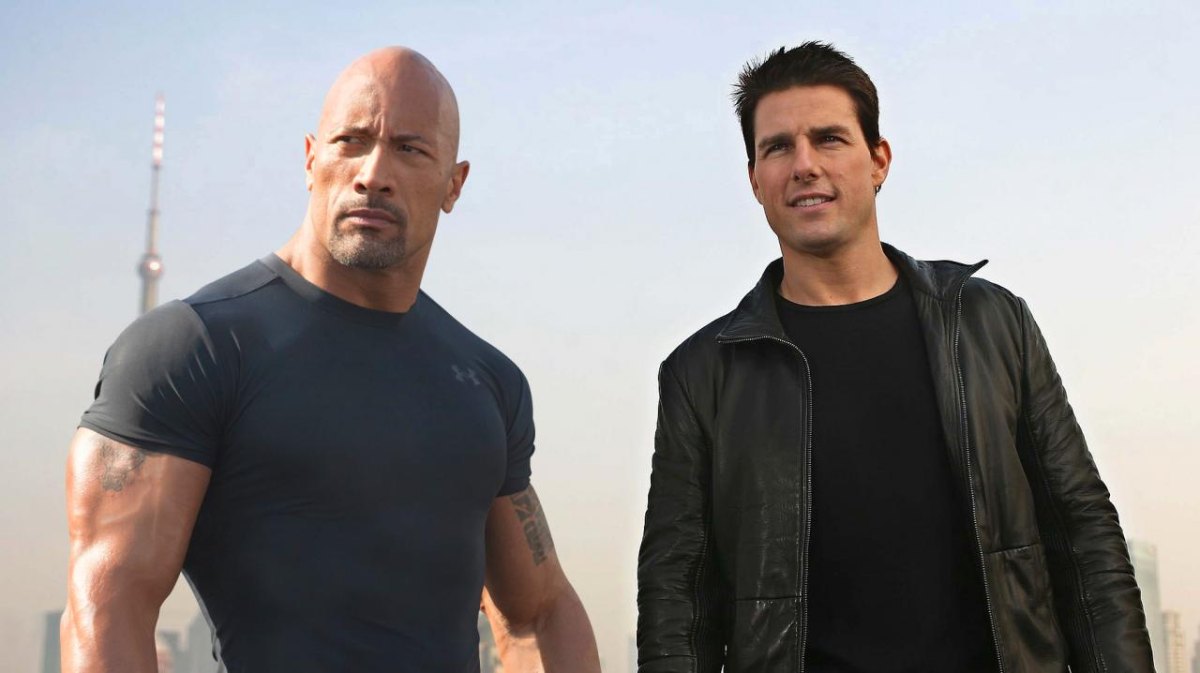
I checked the question behind searches for celebrity heights that appear smaller than expected and found that the answer is usually about sourcing, presentation, and repeated online figures rather than one single explanation. Tom Cruise, for example, is listed by IMDb at 5 ft 7 in (170 cm), a reported figure rather than a documented measurement.
In my reference work, the useful distinction is between reported numbers, self-reported figures, and estimates. A number repeated across websites is not automatically a verified fact.
Initial Expectations and the Reality Gap
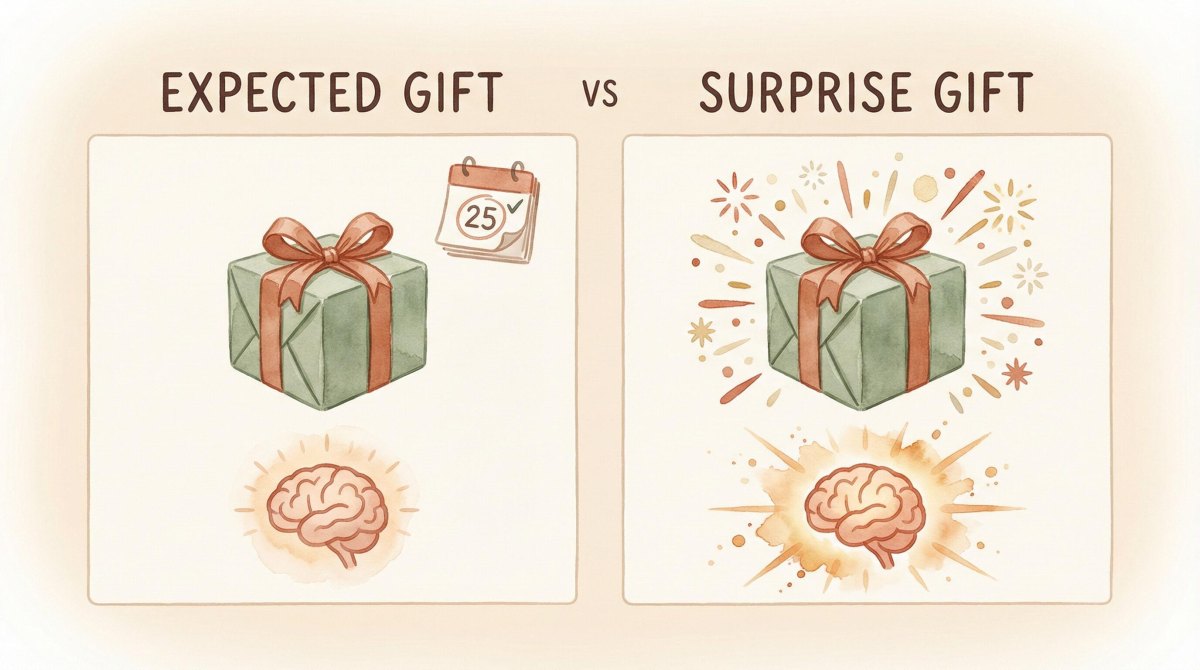
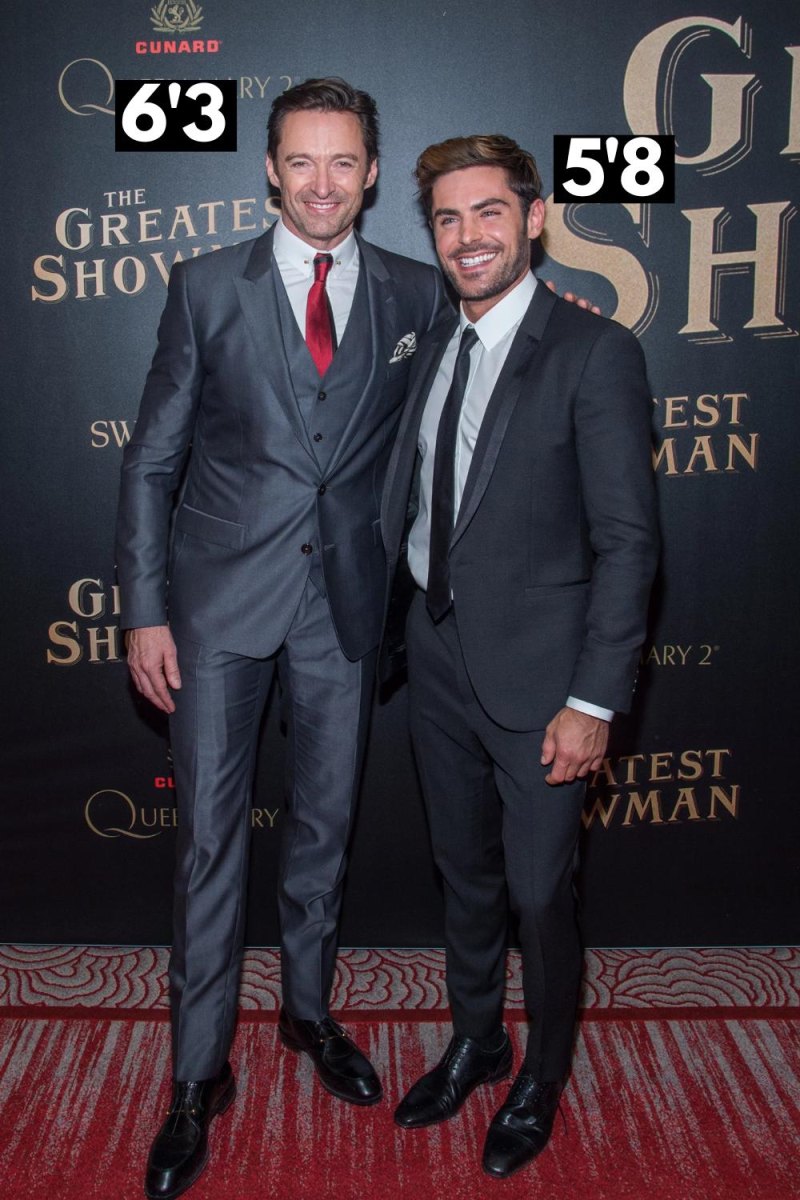
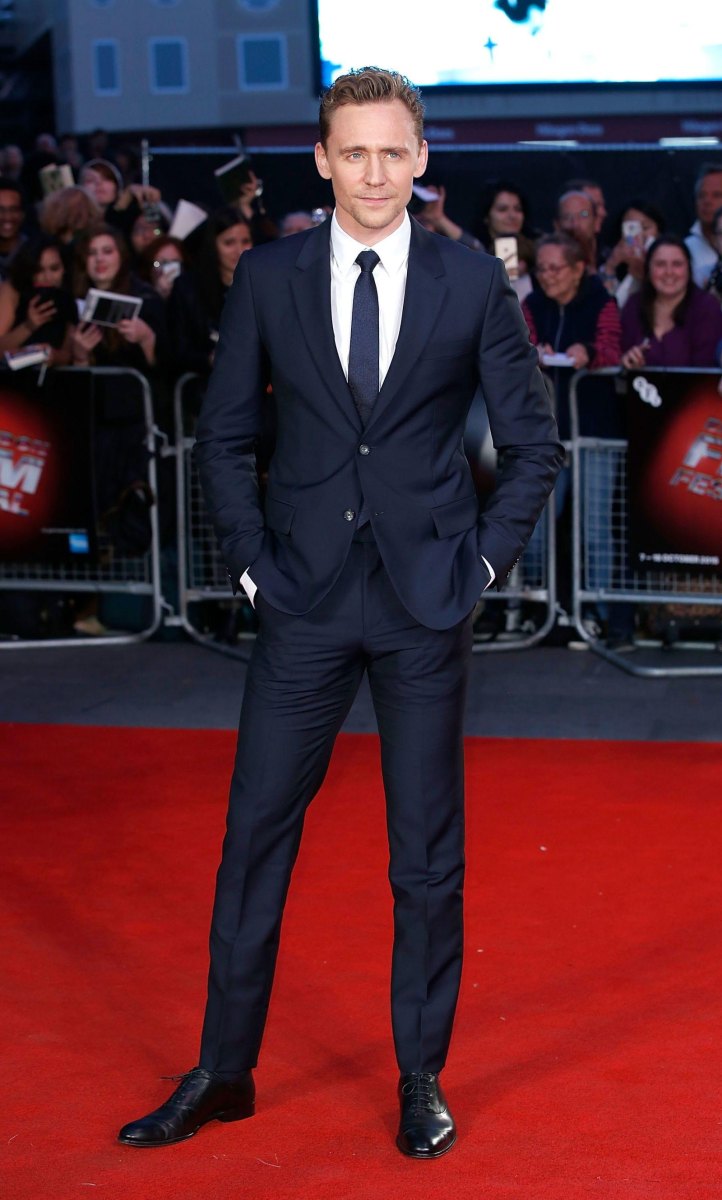
Many searches begin with a familiar feeling: a public figure seems different from an online listing. The expectation gap often comes from camera angles, footwear, posture, and old copied profiles rather than a reliable measurement.
Height reference summary
- Reported figures describe what credible sources publish.
- Self-reported figures describe what a person has publicly stated.
- Estimated figures rely on comparison methods and include uncertainty.
For example, Tom Cruise's listed height of 5 ft 7 in (170 cm) is widely published, but the available sourcing supports a reported label rather than a formal documented measurement.
Reasons the Promise Fell Short

The main reason a celebrity height claim can feel smaller than expected is that online databases often mix different source types. A biography listing, an interview answer, and a visual estimate do not carry the same level of confidence.
| Source type | Meaning |
|---|---|
| Documented | Supported by an official or primary record. |
| Reported | Published by a named credible source. |
| Self-reported | Stated publicly by the person. |
| Estimated | Inferred with stated limitations. |
I avoid turning a repeated internet figure into certainty because source quality matters. When sources disagree, showing the range is more accurate than forcing one answer.
Public Reaction to the Smaller Outcome
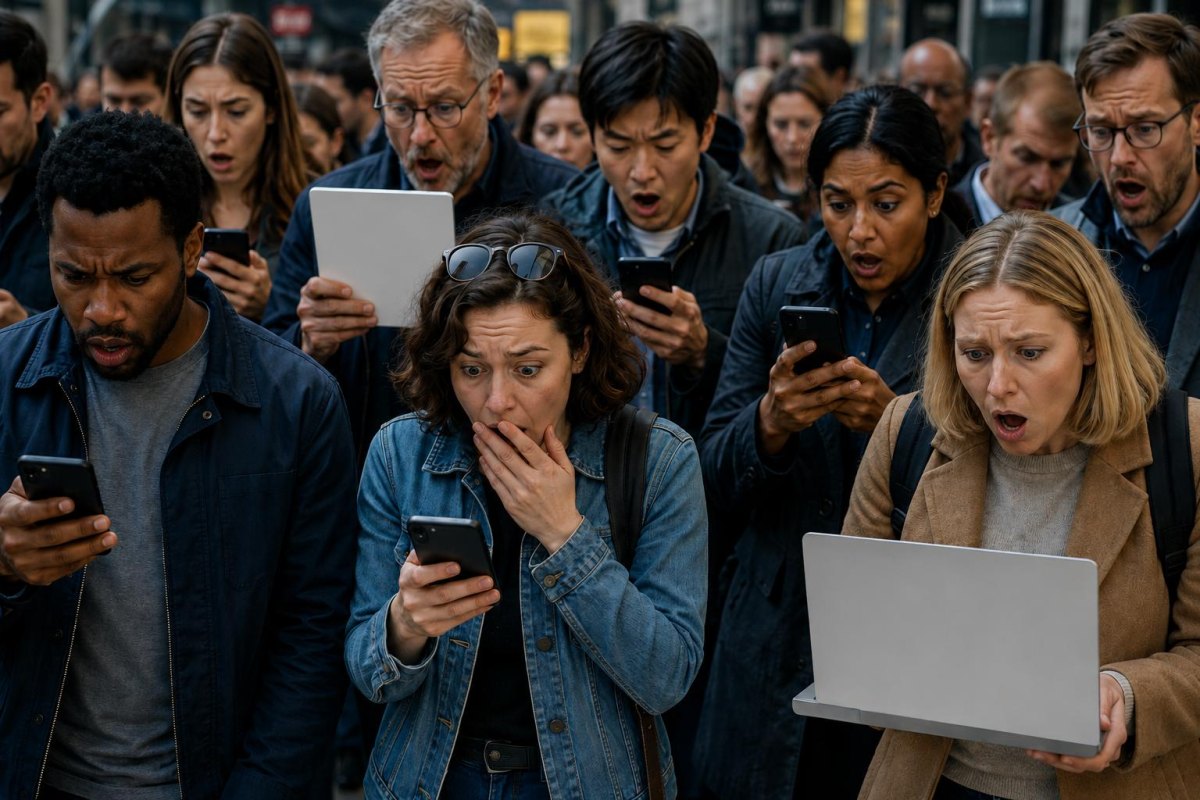
Public reactions to celebrity height information often reflect expectations built from film, television, and photographs. The visual impression created on screen is not a measurement tool.
Celebrity heights have terrible version control” is a phrase used in a discussion of how online measurement claims can vary. Context matters when comparing published numbers.
BodyMeasurements.org discussion, accessed 2026
Research tip
Look for a named source and date before accepting a celebrity height figure as reliable.
Comparing the Promise With the Actual Result

When I compare a popular claim with the available record, I focus on documented differences rather than deciding that one source is automatically correct. Height pages often contain small disagreements that should remain visible.
A useful example is Ariana Grande, where published figures have varied between sources. The difference shows why a range can be more honest than a single unsupported number.
What Happens After Expectations Are Reduced

Once a height claim is reviewed, the next step is simple: keep the record updated when better evidence appears. A reliable reference page treats uncertainty as information, not as a problem to hide.
Clear sourcing helps
- Readers can see where figures come from.
- Disputed numbers remain visible.
Weak sourcing causes issues
- Copied numbers can spread without evidence.
- Visual guesses can be mistaken for measurements.
The practical takeaway is to read celebrity height claims as reference data with confidence labels. A smaller-than-expected figure is often simply the result of better sourcing replacing assumptions.