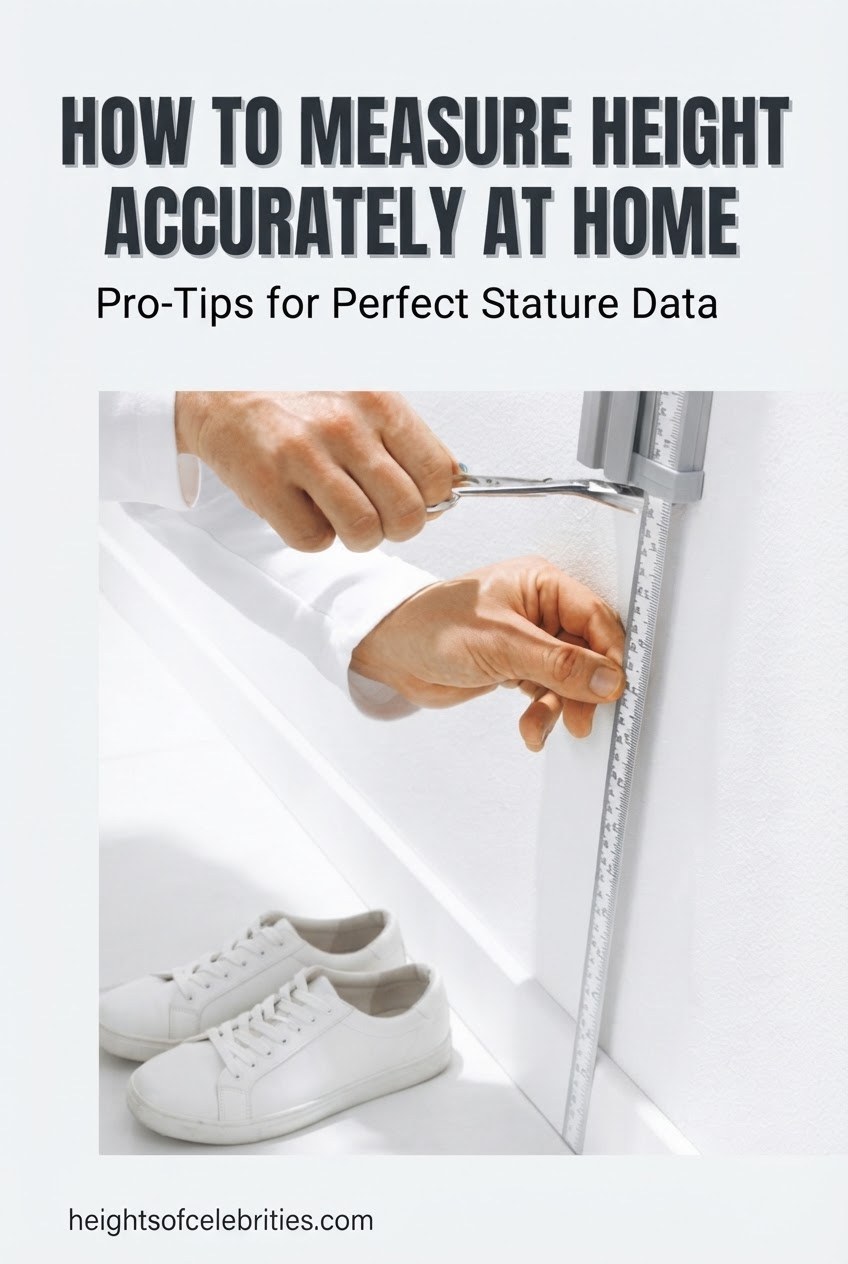
Accurate standing height measurement depends on a consistent method, not a quick wall mark. A proper setup with a stable surface, correct posture, and a level head position gives the most reliable result in both feet/inches and centimetres. Standard protocols use a stadiometer, remove footwear, align the body correctly, and repeat measurements when needed.
I treat height figures as measurements rather than assumptions. The same approach used for reliable reference data can also help at home when you want a clearer result from your own measurement.
Prepare the Correct Measuring Area and Equipment
Before you measure
- Use a flat, stable surface and a suitable height device.
- Remove shoes, hats, and anything that changes the measurement.
- Keep the measuring tool vertical and secure.
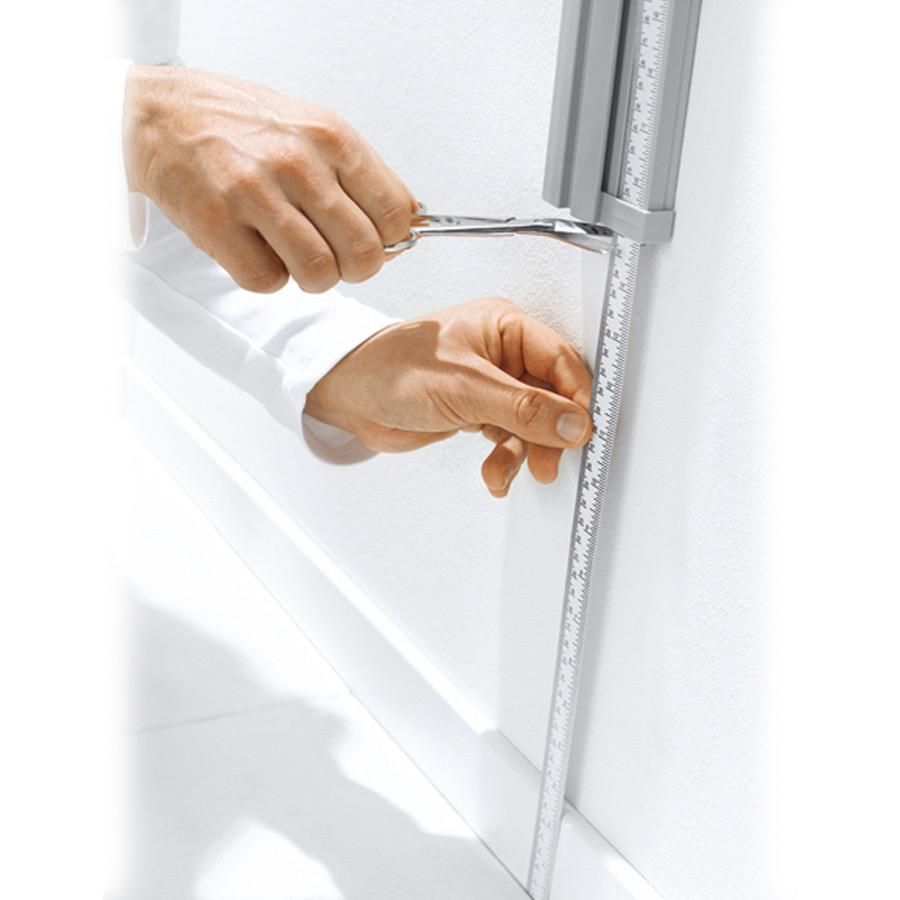
The first step is creating a reliable setup. A wall-mounted or portable stadiometer is designed for height measurement, but the surface must be stable and the device positioned correctly. Remove footwear and head coverings before measuring.
For a home check, a flat wall and a rigid object such as a book can work better than a soft tape measure stretched unevenly. The goal is a consistent reference point at the top of the head, recorded in both centimetres and feet if you want both formats.
Position Your Body Correctly Against the Wall
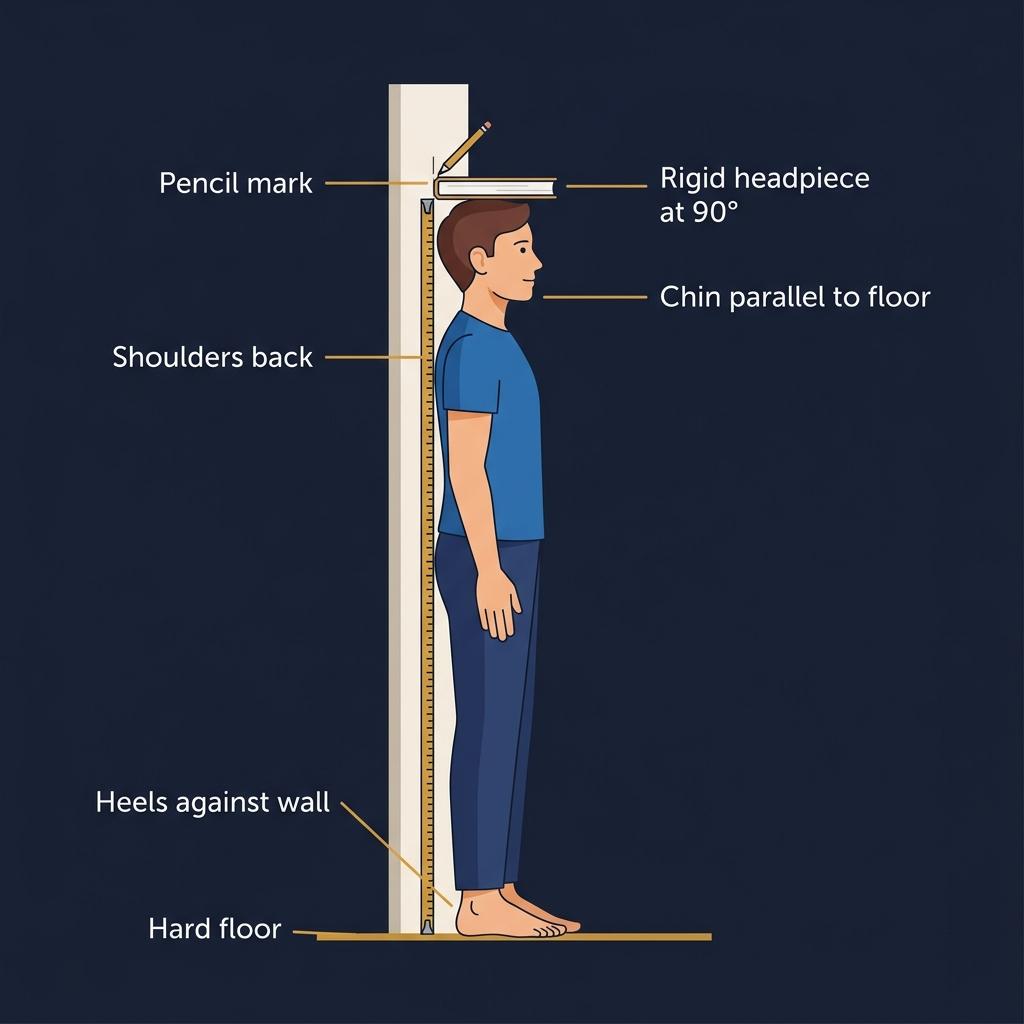
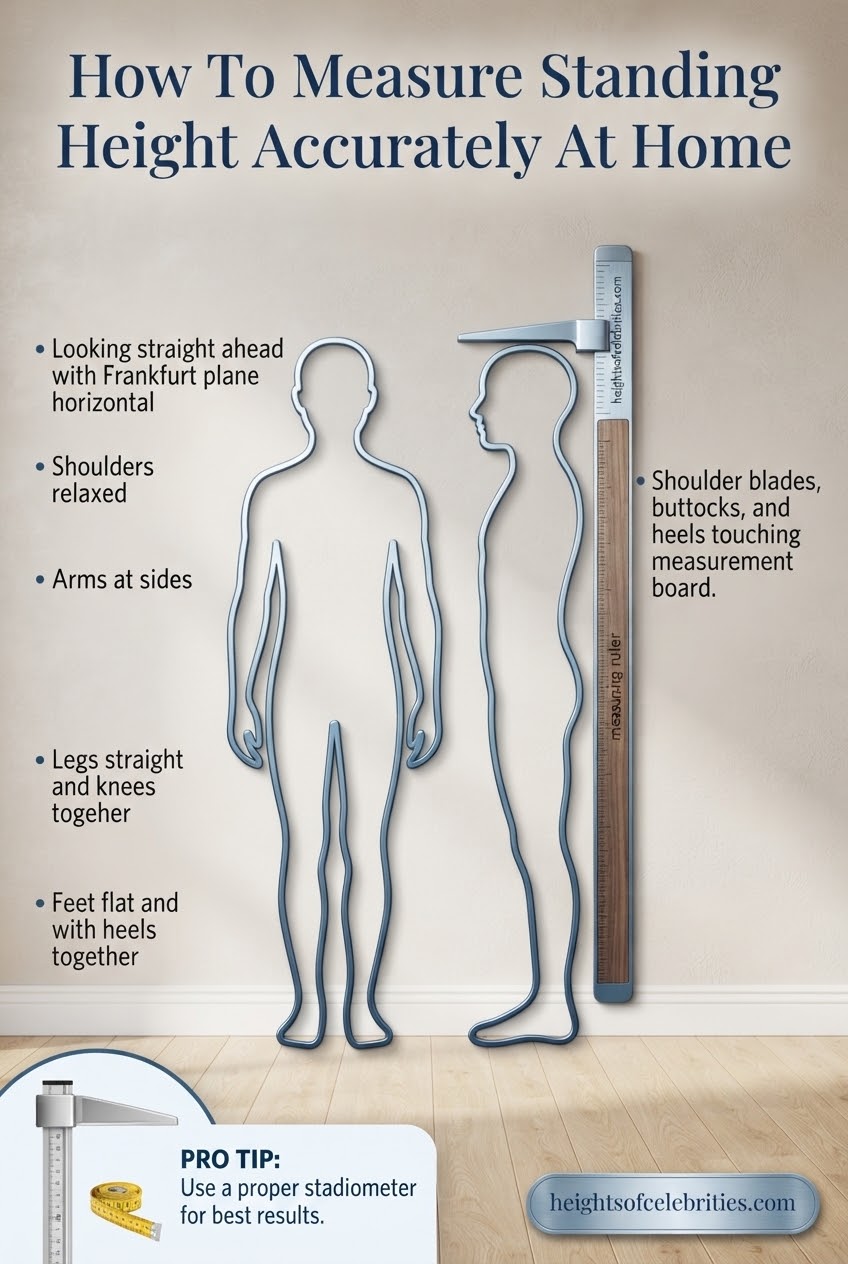
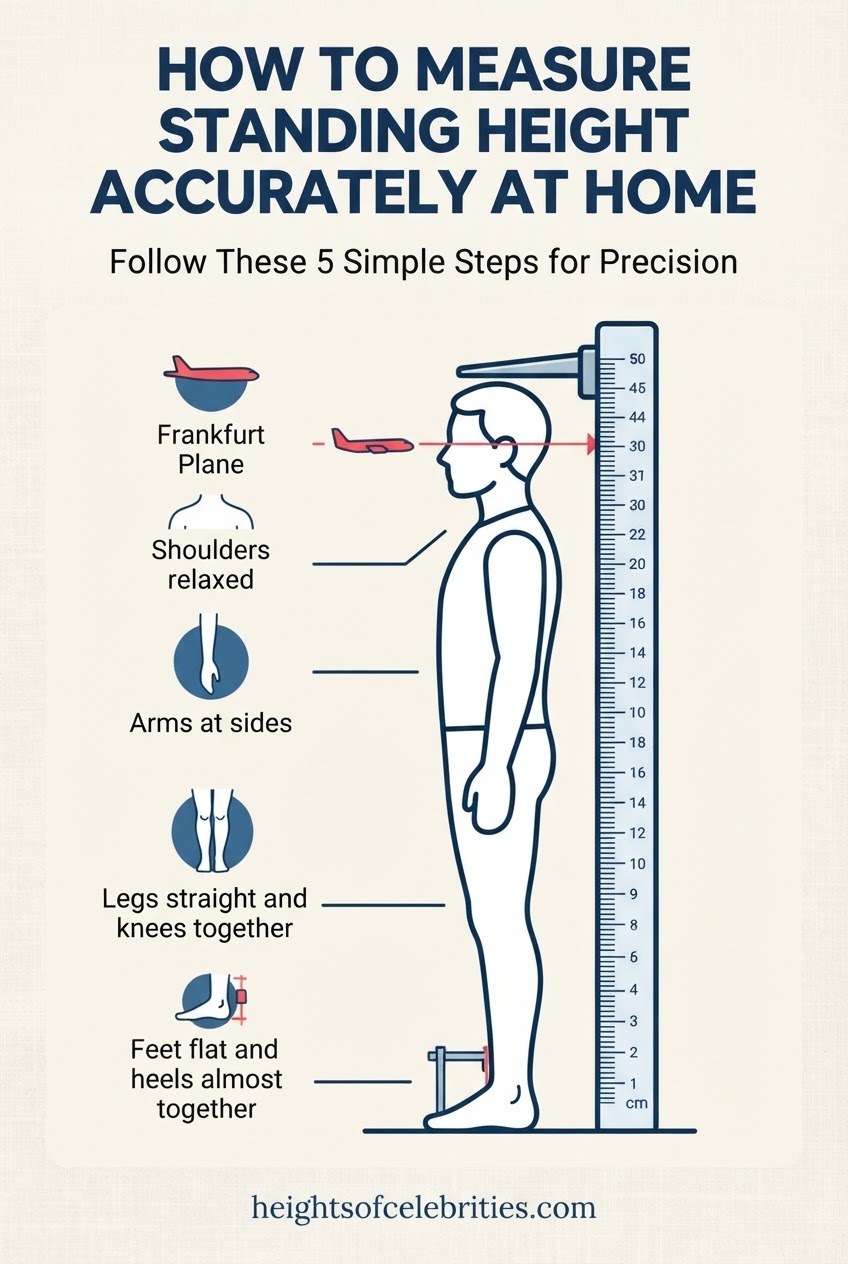
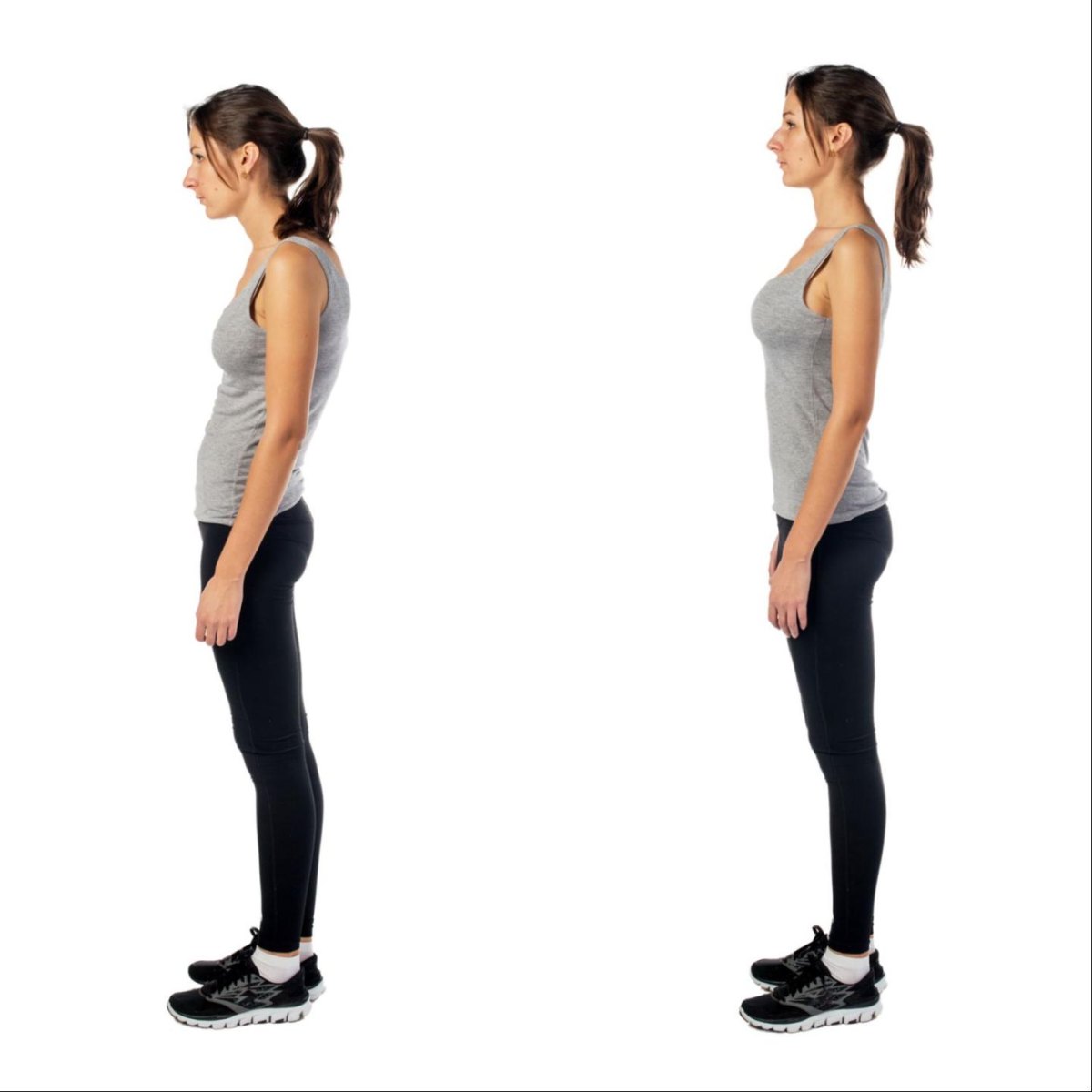
Body position affects the final number. Stand without shoes with your feet flat, heels together or properly placed, legs straight, and arms relaxed. The head, shoulders, buttocks, or heels should align with the measuring surface as the equipment allows.
- Stand. Place your feet flat on the floor and distribute your weight evenly.
- Straighten. Keep your legs straight and shoulders relaxed.
- Face. Look forward instead of tilting your chin upward or downward.
Avoid common errors such as bending your knees, standing on your toes, or leaning in a way that changes your natural standing position. A small posture change can alter the reading by more than expected.
Align the Head Using the Frankfurt Horizontal Plane
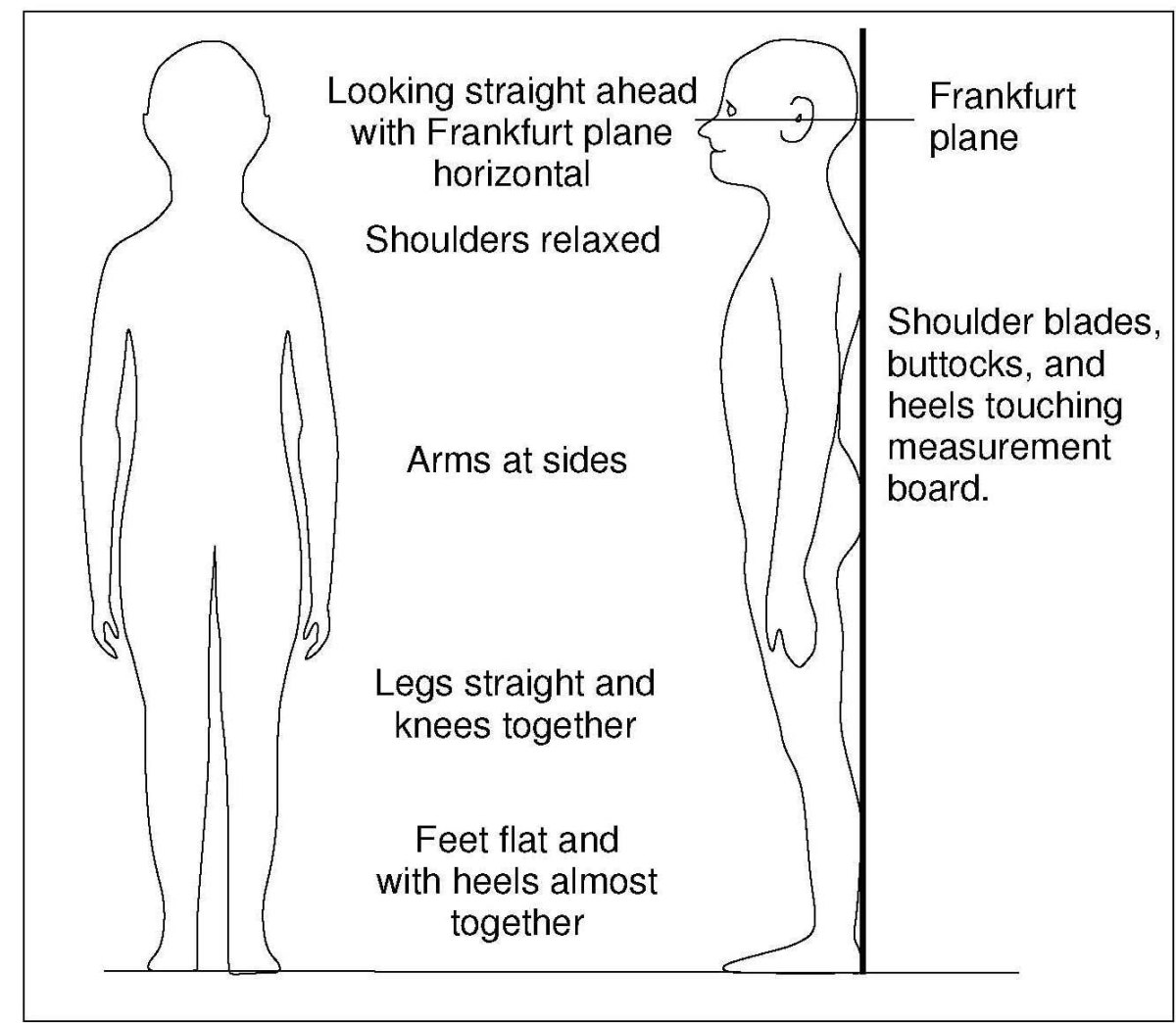
The head position is one of the most important parts of accurate height measurement. The Frankfurt horizontal plane places the lower edge of the eye socket and the upper edge of the ear canal on a line parallel with the floor.
Measurement tip
Keep your eyes looking straight ahead and avoid lifting or lowering the chin while the head position is adjusted.
This alignment helps create a repeatable position, especially when comparing measurements taken on different days. A head tilted upward or downward can change where the top measurement point falls.
Measure Height at the Exact Point of Contact
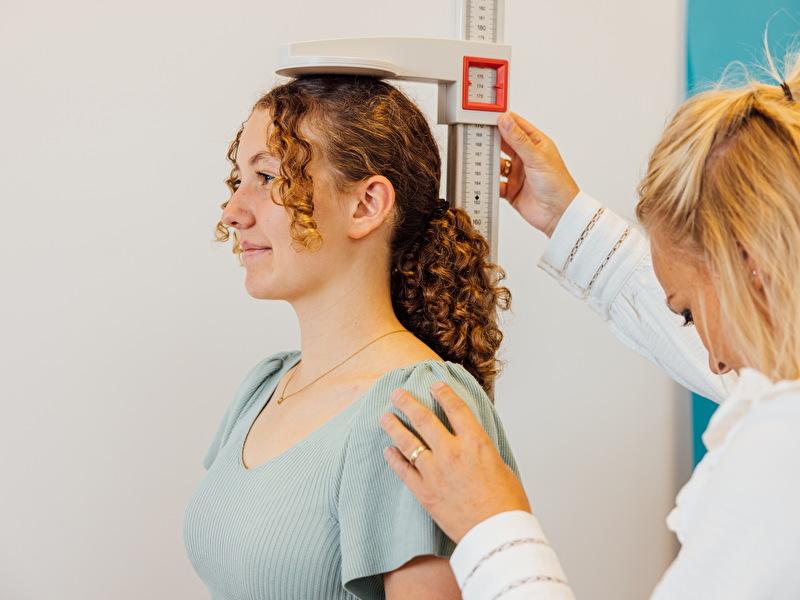
Once posture and head alignment are correct, lower the headpiece until it makes firm contact with the crown of the head. The contact point should be perpendicular to the measuring scale rather than angled.
| Step | What to check |
|---|---|
| Headpiece | Touches the top of the head gently |
| Reading angle | Eyes level with the measurement mark |
| Result | Record in centimetres and convert to feet/inches if needed |
Reading the scale from the correct angle reduces errors caused by looking from above or below. Professional protocols recommend reading at eye level for the most consistent result.
Record the Measurement and Repeat for Accuracy
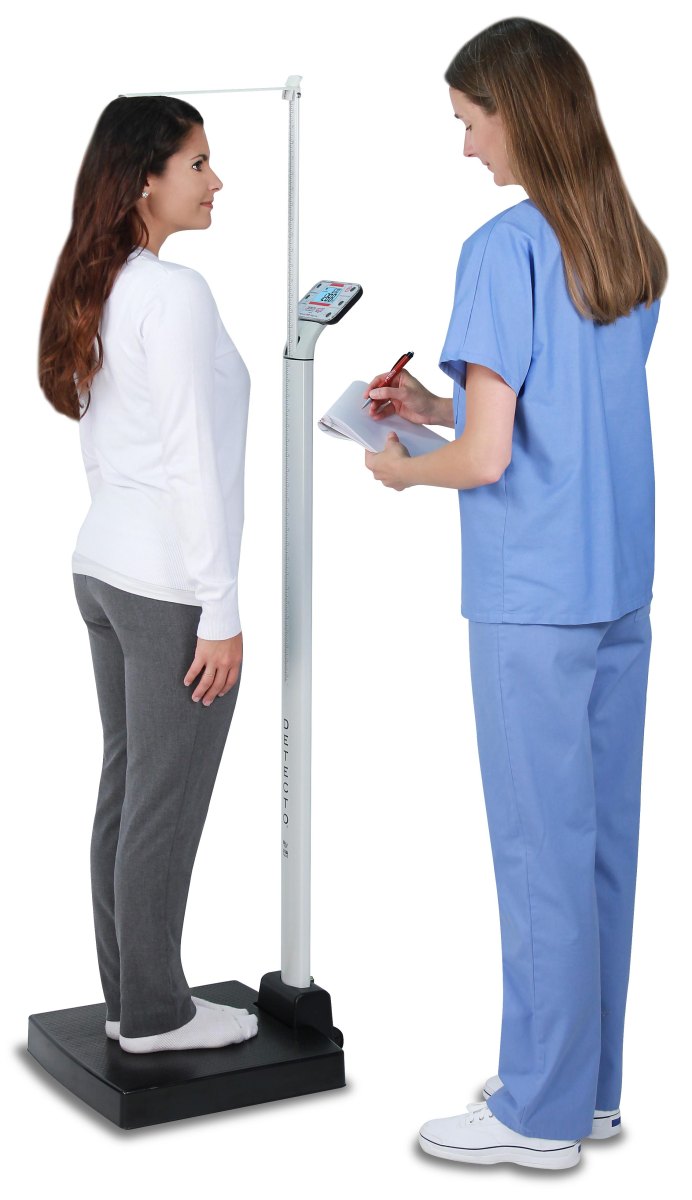
A single measurement can be useful, but repeating the process improves confidence. Record the value immediately in centimetres and feet so the result is not lost or rounded incorrectly later.
- Repeat the measurement using the same setup.
- Check that posture and head alignment match each time.
- Average close results when following a research-style protocol.
Some protocols repeat measurements and use the mean when results fall within an acceptable range. This approach is useful when you want a dependable personal record rather than a quick estimate.
Final practical note
Measure under similar conditions when tracking changes over time, because consistent technique matters as much as the measuring tool.


More Pinterest Visuals