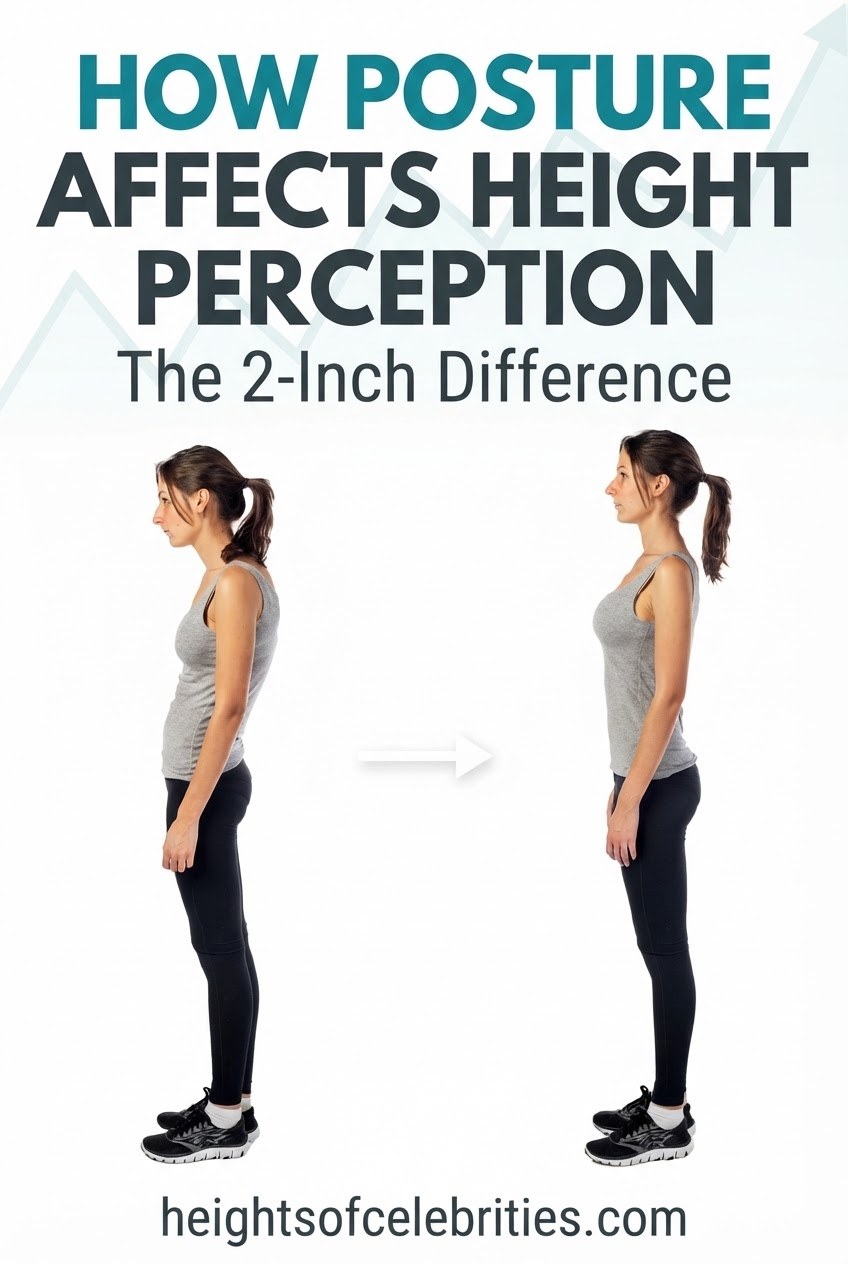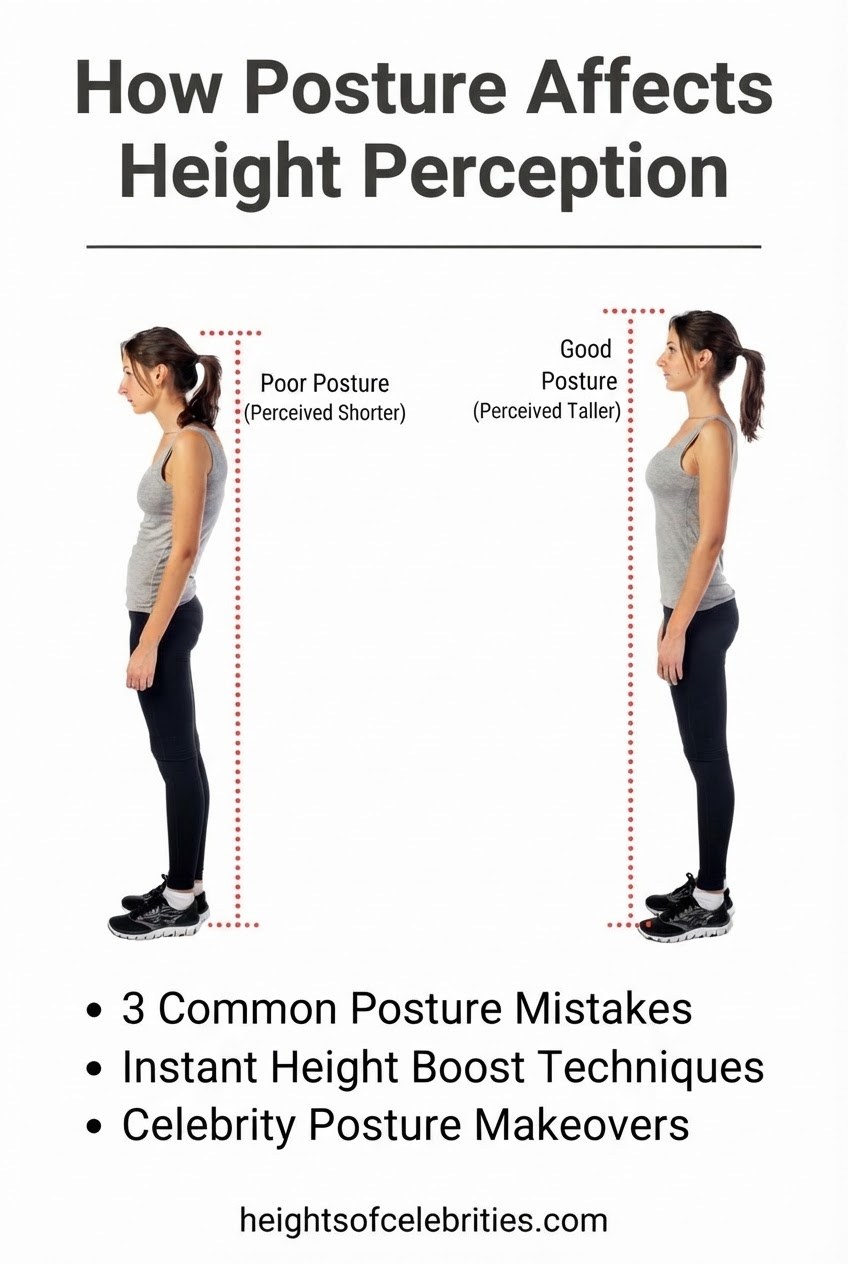
Posture can change how height is perceived without changing a person's measured height. The main factors are body alignment, viewing angle, and visual cues such as eye level and proportions. Research on height perception shows that posture-related visual information can influence judgments of size and distance.
Summary
- Upright alignment can create a longer visual line through the body.
- Slouched positions can reduce visible vertical extension.
- Head, neck, shoulder, and spine positions all contribute to overall appearance.
Upright Posture Creates the Illusion of Greater Height
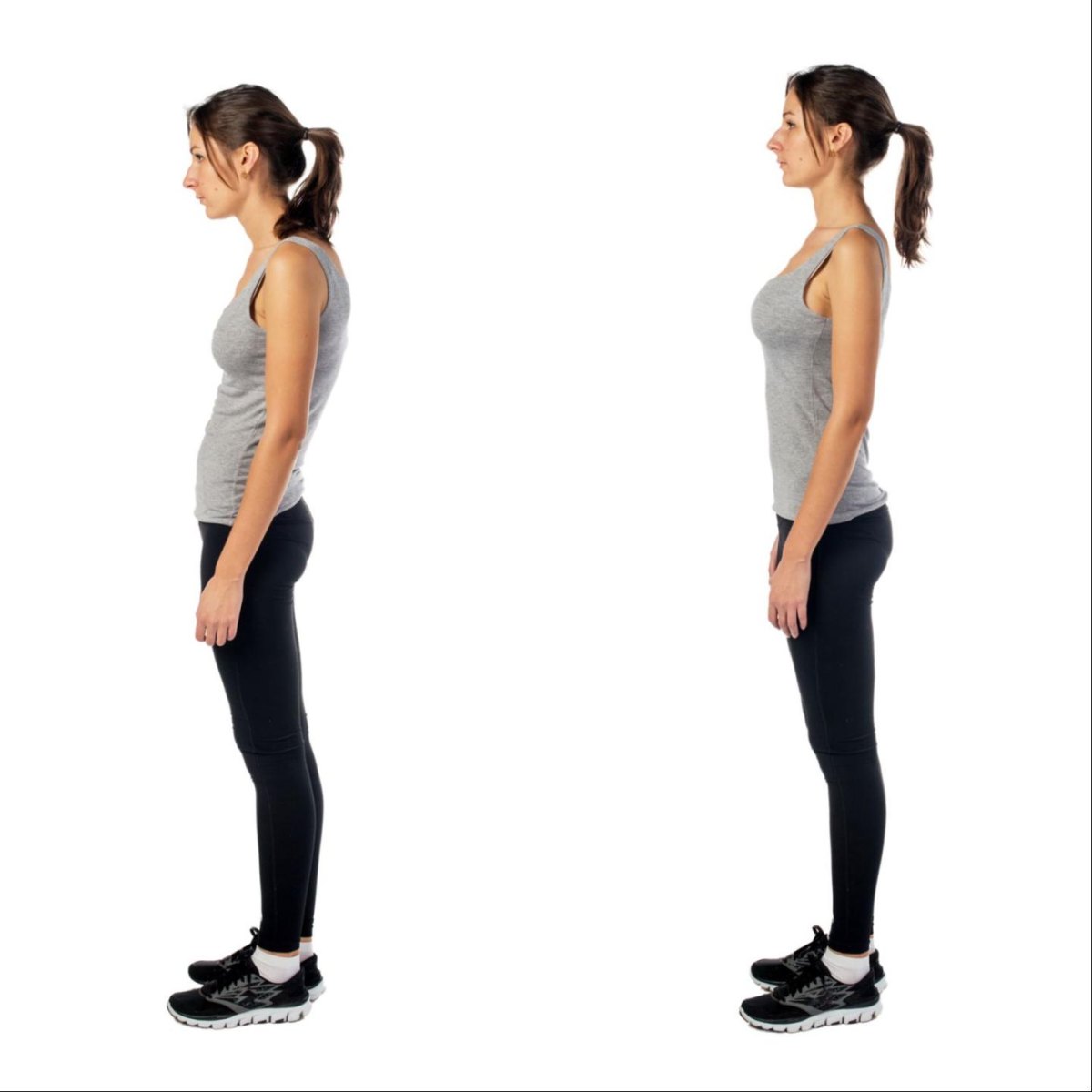
When I look at posture and height perception, the first detail I check is whether the body is using its full vertical line. An upright stance can make someone appear taller because the head, shoulders, and torso are visually stacked instead of compressed. upright posture changes the silhouette observers see.
Studies of visual perception show that posture and eye-height cues affect how people estimate height and space. This does not mean posture changes actual height; it changes the visual impression created during observation.
Practical tip
For photographs, keeping the spine naturally extended and the shoulders relaxed can present a more accurate view of overall stature.
Slouching Reduces Perceived Body Length
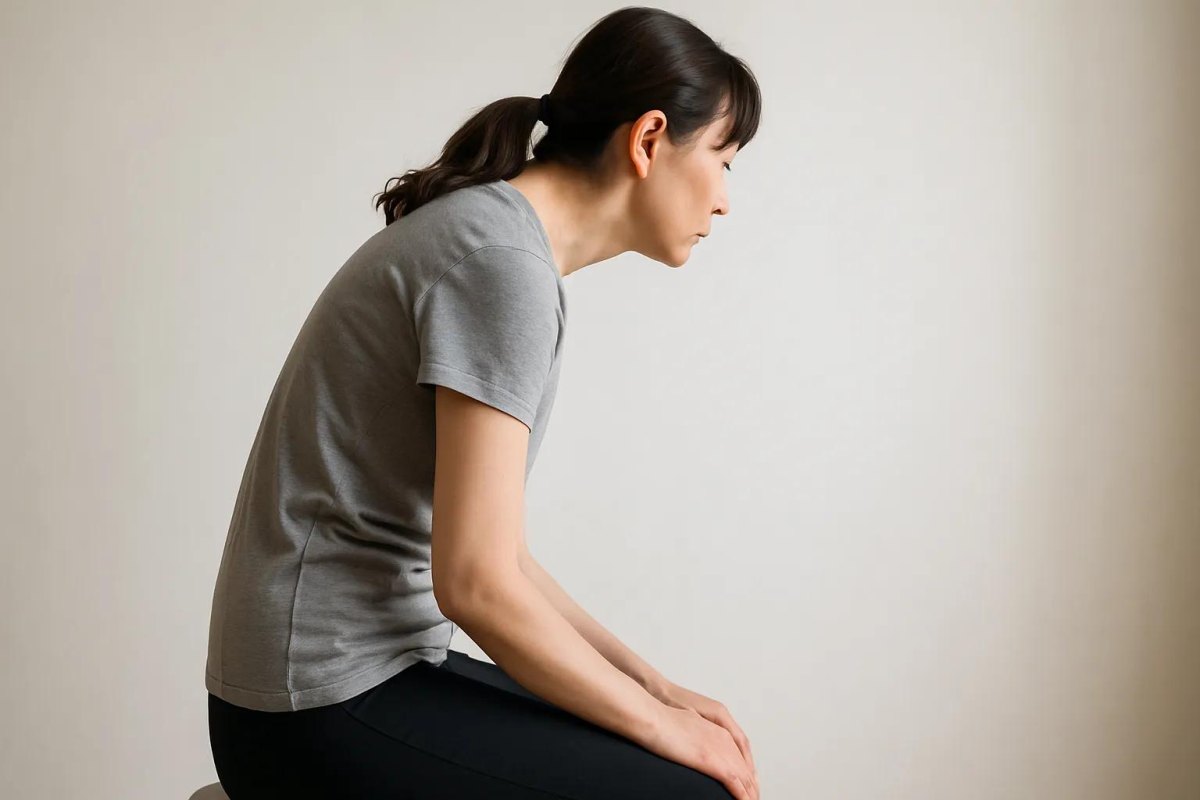
A slouched position changes the visible relationship between the upper body and lower body. Rounded shoulders and a collapsed torso can make the vertical line appear shorter, even though measured height remains the same. slouched posture affects appearance through body shape cues.
| Posture | Visual effect |
|---|---|
| Upright alignment | Creates a more extended silhouette |
| Slouched alignment | Can make the torso look more compressed |
Research on spinal height and sitting positions has examined how posture and loading influence measured spinal height over short periods, showing that posture and spinal mechanics are closely connected. The key point for perception is that visible compression can influence what observers notice.
Spinal Alignment Changes How Tall You Appear
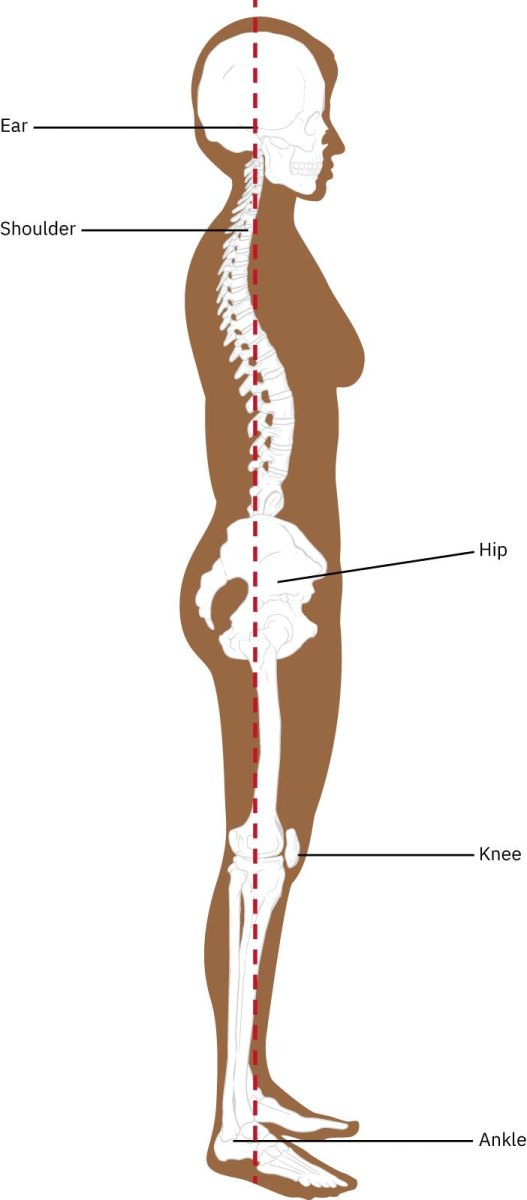
The spine provides the central framework for posture, so alignment changes can affect the body's outline. A balanced spinal position helps maintain a consistent head-to-pelvis line, while altered alignment can change proportions seen from the outside. spinal alignment is one reason posture matters in photographs and comparisons.
Why alignment matters
Height perception depends partly on visual structure. A straighter line from the head through the torso can provide clearer height cues, while uneven positioning may distract from vertical length.
Current posture research often measures alignment through tools such as photographic analysis and spinal angles rather than relying only on visual judgment. This distinction matters because measured posture and casual impressions are not always identical.
Shoulder Position Influences Height Perception

Shoulder placement is a small detail with a noticeable effect on silhouette. When the shoulders sit in a balanced position, the neck and torso connection may appear more open, while forward or rounded shoulders can alter the body's outline. shoulder position contributes to the way height is visually read.
Photogrammetric studies examine postural features such as asymmetry and head position because visible alignment patterns can vary between individuals. A person's actual height remains unchanged, but visual balance can affect perception.
Head and Neck Posture Affect Overall Stature Impression
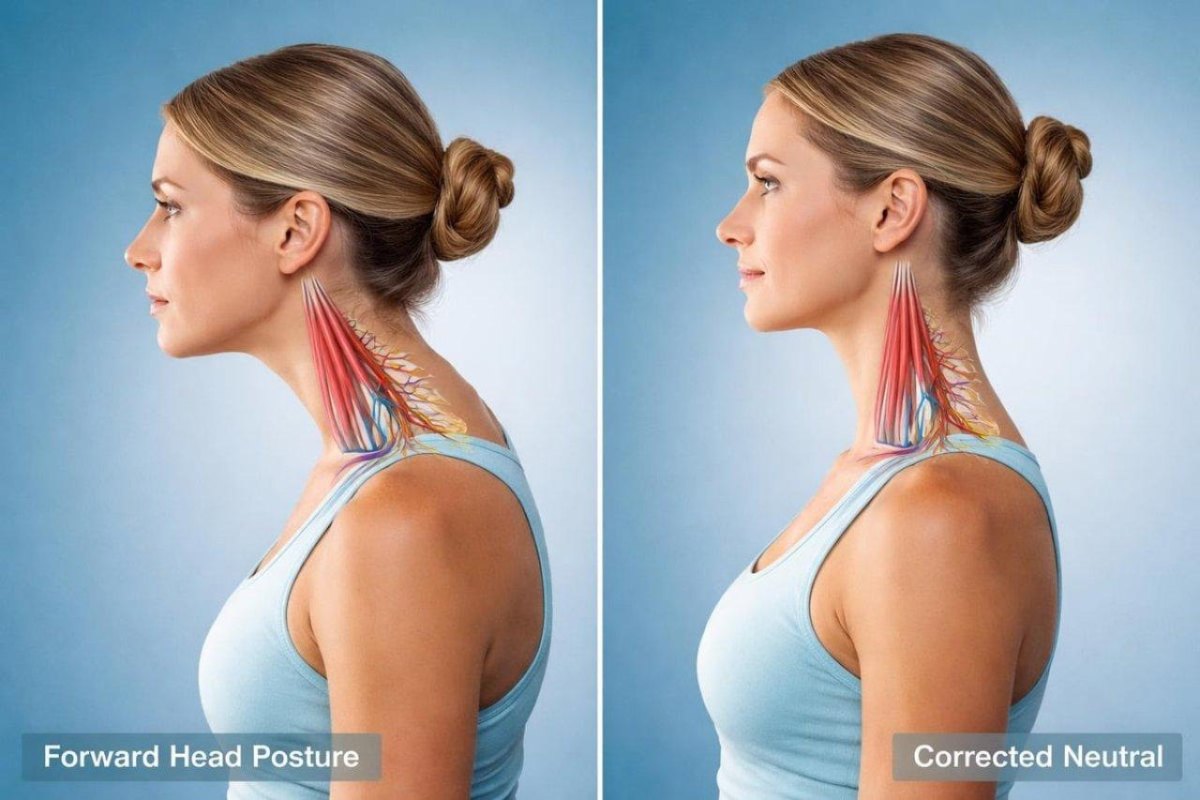
The position of the head changes the way the entire body is framed. A forward head position can shift the relationship between the head, neck, and shoulders, influencing the overall impression of posture. head posture is an important part of height perception.
Aligned head position
- Creates a clearer neck-to-body line.
- Supports a more balanced silhouette.
Forward head position
- Changes visible upper-body proportions.
- May alter how posture is interpreted.
Recent research continues to examine forward head posture using photographic and anatomical measurements, showing that head position is a measurable feature of body alignment. The useful takeaway is simple: better alignment cues can change appearance without changing height itself.

More Pinterest Visuals