I have treated these celebrity fitness transformations as documented training stories rather than before-and-after folklore. The useful details are the role-specific demands, the methods publicly described by the actors or their trainers, and the points where a transformation was deliberately temporary.
There is a recurring pattern here: actors often trained for a particular character, schedule or physical task rather than following one universal fitness formula. I have kept the focus on reported training facts and clearly identified where an actor's own account is the source.
Chris Pratt’s Star-Lord Transformation
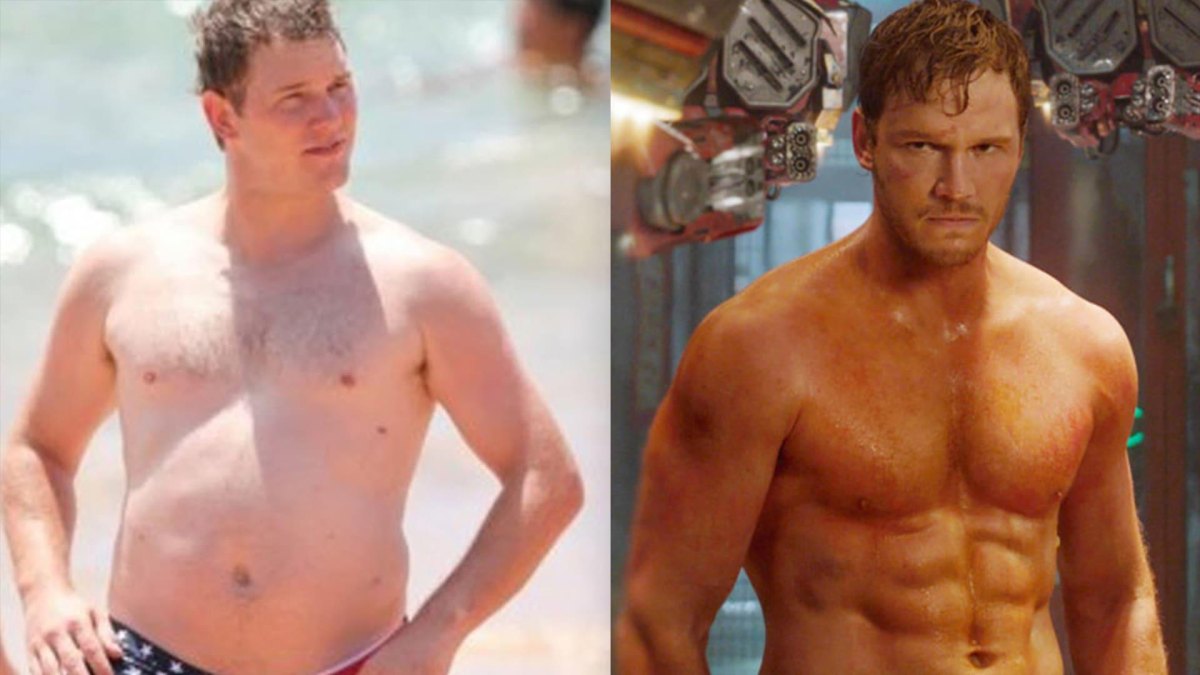
Chris Pratt's transformation for Peter Quill in Guardians of the Galaxy became one of the better-documented examples of a role changing an actor's training routine. Men's Health records Pratt describing three to four hours of daily work, with running, swimming, boxing, kickboxing and P90X among the activities reported by Men's Journal.
Pratt later described a useful lesson from that period: building strength had come with a loss of mobility. His subsequent comments put more emphasis on maintaining strength, endurance and flexibility together, rather than treating appearance as the only target.
What stands out
- Reported: mixed conditioning rather than one type of exercise
- Reported: substantial daily training during the role preparation
- Reported: later emphasis on maintaining mobility alongside strength
Zac Efron’s Baywatch Transformation

Zac Efron's Baywatch preparation combined structured resistance training with a tightly controlled routine. His trainer Patrick Murphy later described supersets, kettlebell work, jumps, rows and high-repetition movements used during the preparation.
The more important part of Efron's story came later. In his Men's Health interview, he said the Baywatch preparation was extremely demanding and that he did not want to repeat the process. He specifically described overtraining, disrupted sleep and an unsustainable approach to achieving the filming look.
A useful distinction
The on-screen result and the process used to create it are not the same thing. Efron's later account is a good reminder that a film-ready condition can be a temporary production target, not a sensible year-round benchmark.
Hugh Jackman’s Wolverine Transformation
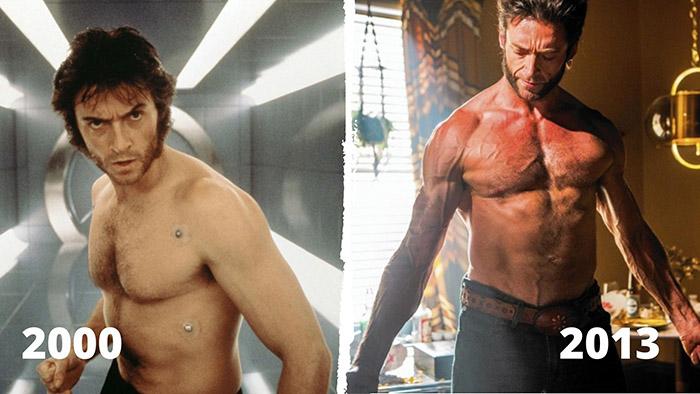
Hugh Jackman's Wolverine preparation has evolved across several films. In an earlier Men's Health interview, Jackman described heavy resistance training, changing the structure of his workouts every few weeks and increasing food intake during preparation.
His later account is particularly interesting because the lesson was not simply to lift heavier. Jackman said a bodybuilder working with him for X-Men Origins Wolverine taught him to begin with lighter weights and build upward through the session. That approach became part of his continuing training philosophy.
- Early Wolverine work: heavy compound-style lifting and varied training blocks.
- Later approach: gradual loading, athletic movement and attention to mobility.
- 2020s return: Jackman again documented Wolverine preparation with trainer Beth Lewis.
Michael B. Jordan’s Creed Transformation
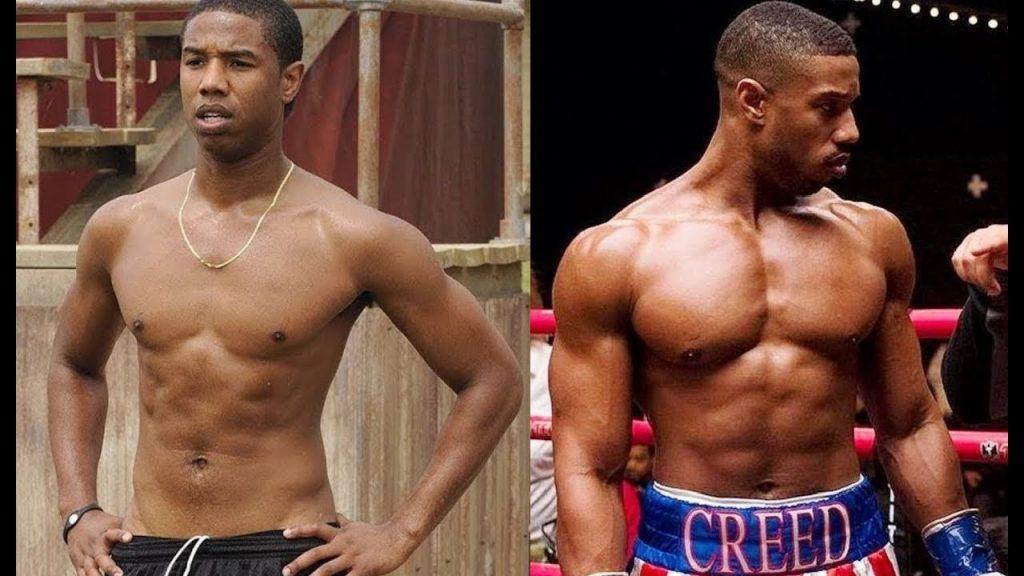
Michael B. Jordan's work as Adonis Creed required more than simply adding muscle. Trainer Corey Calliet described a combination of boxing, athletic conditioning and bodybuilding designed to make Jordan move convincingly as a boxer as well as look like one.
For Creed II, Calliet said the plan adapted Jordan's previous preparation for Black Panther, reducing some of that mass while retaining the conditioning needed for the ring. Jordan also described training multiple times a day during the original Creed preparation.
- Box. Build the movement patterns and conditioning required by the character.
- Lift. Use resistance work to support the desired physical presentation.
- Condition. Add circuits, jumping rope and other work-capacity exercises.
- Repeat. Keep the program tied to the filming schedule rather than treating it as a permanent template.
Jake Gyllenhaal’s Southpaw Transformation
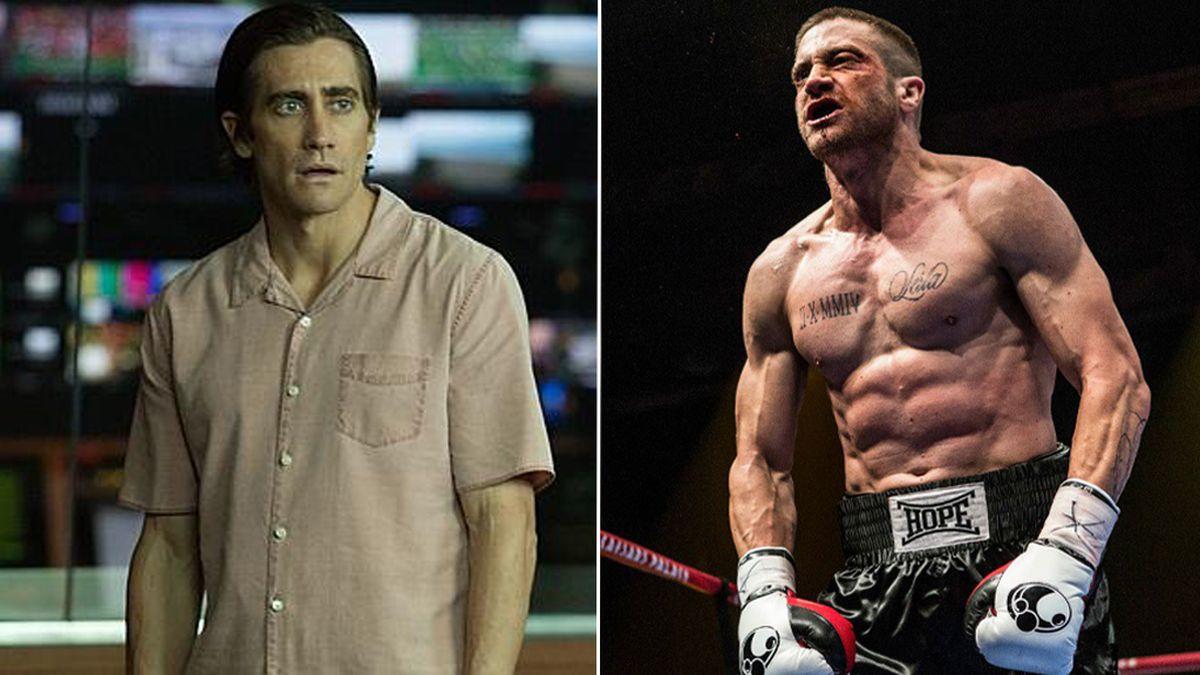
Jake Gyllenhaal approached Southpaw as a boxing performance rather than a conventional gym makeover. In a 2015 CBS interview, he explained that he had little boxing experience beforehand and spent five months learning the techniques required for Billy Hope.
He also described training twice daily during that period, while studying footage of professional fights. Director Antoine Fuqua wanted the fights to feel authentic, so the preparation centered on actual boxing skills and movement, not simply creating a visual resemblance to a fighter.
- Boxing technique was a central part of preparation.
- Training was sustained for months before filming.
- Fight choreography was treated as a physical skill.
- The transformation served the character's movement as much as its appearance.
Christian Bale’s Extreme Role Transformations
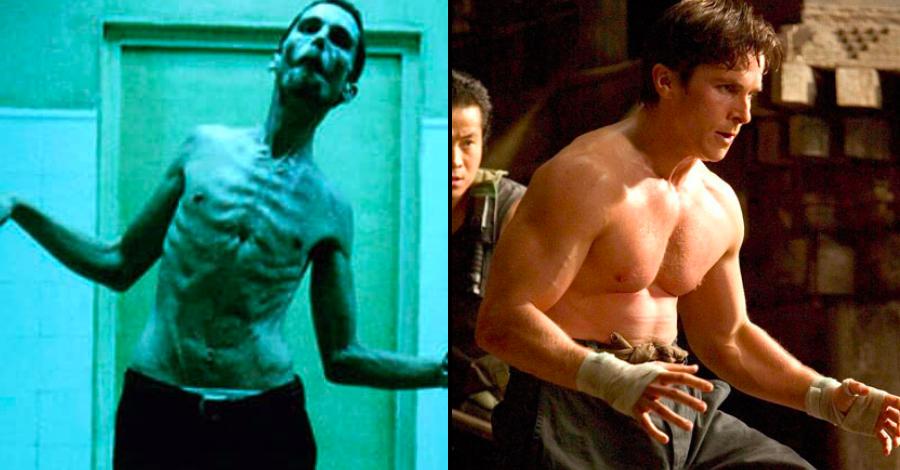
Christian Bale's sequence from The Machinist to Batman Begins is unusual because the two roles demanded almost opposite physical presentations. Bale publicly described losing more than 60 pounds or about 27.2 kilograms for The Machinist, then having only a short interval before rebuilding for Batman. The figure is Reported from interviews with Bale and contemporary coverage.
Contemporary interviews also show Bale acknowledging that the rapid reversal was difficult and that he had initially overshot his intended size before adjusting for Batman. I would treat the exact training and nutrition figures circulating online with caution because many later versions mix Bale's interviews with secondary reconstructions.
| Role | Documented transformation detail |
|---|---|
| The Machinist | Reported loss of more than 60 lb (27.2 kg) |
| Batman Begins | Rapid rebuilding before production |
| Source confidence | Reported from contemporary interviews |
Kumail Nanjiani’s Eternals Transformation

Kumail Nanjiani's preparation for Kingo in Eternals marked his first major movie transformation of this type. He worked with trainer Grant Roberts and publicly discussed using structured resistance training rather than simply relying on generic gym sessions.
Nanjiani's published exercise examples included Zercher squats, cable work, rows, curls, dips and shoulder circuits. He also explained that changing exercises helped him remain engaged with the program, which is a more useful takeaway than copying a celebrity routine exercise for exercise.
What the record supports
- Professional training support
- Progressive resistance work
- Regular variation within the program
What not to assume
- That his routine suits every person
- That a film-preparation schedule is a normal lifestyle
- That an actor's result can be reproduced on the same timetable
Chris Hemsworth’s Thor Physique Evolution
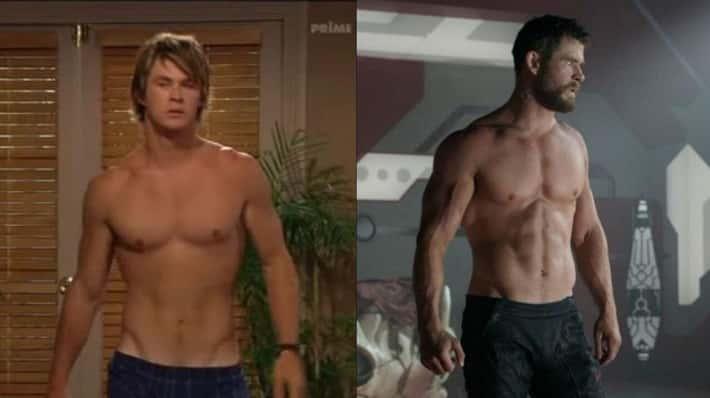
Chris Hemsworth's Thor preparation has changed over time. He told Marvel that each return to the character involved rebuilding muscle and size, but that his accumulated experience made the process more familiar. For Love and Thunder, he described 12 months of training and experimentation, including swimming, martial arts and different diets.
Earlier interviews show why his approach evolved beyond straightforward weightlifting. Hemsworth said he added flexibility, functional training, boxing, Muay Thai, surfing and yoga because he wanted the physical ability to move as well as carry muscle.
12 months
Reported training period described by Hemsworth for Love and Thunder
Anne Hathaway’s Catwoman Training Transformation

Anne Hathaway's Catwoman preparation focused heavily on movement and action skills. In interviews around The Dark Knight Rises, she described rigorous exercise and stunt training, alongside dance work, as part of preparing for the role.
Hathaway also discussed learning kicks and mixed-martial-arts-style movement from the stunt department. The important point is that the training was built around what Selina Kyle needed to do on screen, including fighting and moving in costume, rather than being an abstract fitness challenge.
The useful detail in Hathaway's account
Her own framing shifted toward strength for performance. That makes this a good example of action-role training where athletic ability and choreography matter as much as appearance.
Natalie Portman’s Thor Training Transformation

Natalie Portman's preparation for Jane Foster's Mighty Thor role was unusually structured. Her trainer Naomi Pendergast told Men's Health that Portman trained for 10 months, with upper-body work, boxing, skipping and running alongside Pilates-based exercises, stretching and balance work.
Portman later told the Los Angeles Times that the strength training made her feel physically stronger and more balanced, and that she performed some of the film's choreography herself while stunt doubles handled the most difficult work.
Why this example matters
The preparation was not just resistance training. It combined strength, conditioning and movement practice to support a superhero performance and its action choreography.
Henry Cavill’s Superman Transformation
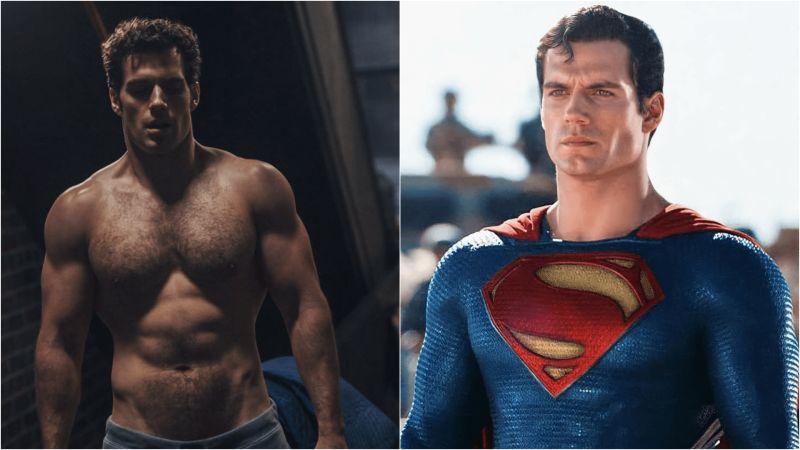
Henry Cavill's Man of Steel preparation combined resistance training, conditioning and substantial nutritional planning. Trainer Mark Twight told ABC News that Cavill spent 11 months in intensive preparation, with training sessions lasting around two hours and occurring five or six days per week.
Cavill's later comments reinforce the idea that the program was tailored to a particular role rather than being a universal celebrity formula. His training for subsequent projects included high-intensity intervals, bodybuilding movements and conditioning, with the actor emphasizing that individual training needs differ.
- Reported: long preparation period for Man of Steel.
- Reported: resistance work combined with conditioning.
- Practical lesson: Cavill's later advice stresses adapting training to the individual rather than copying an actor's exact routine.
Rebel Wilson’s Long-Term Fitness Transformation
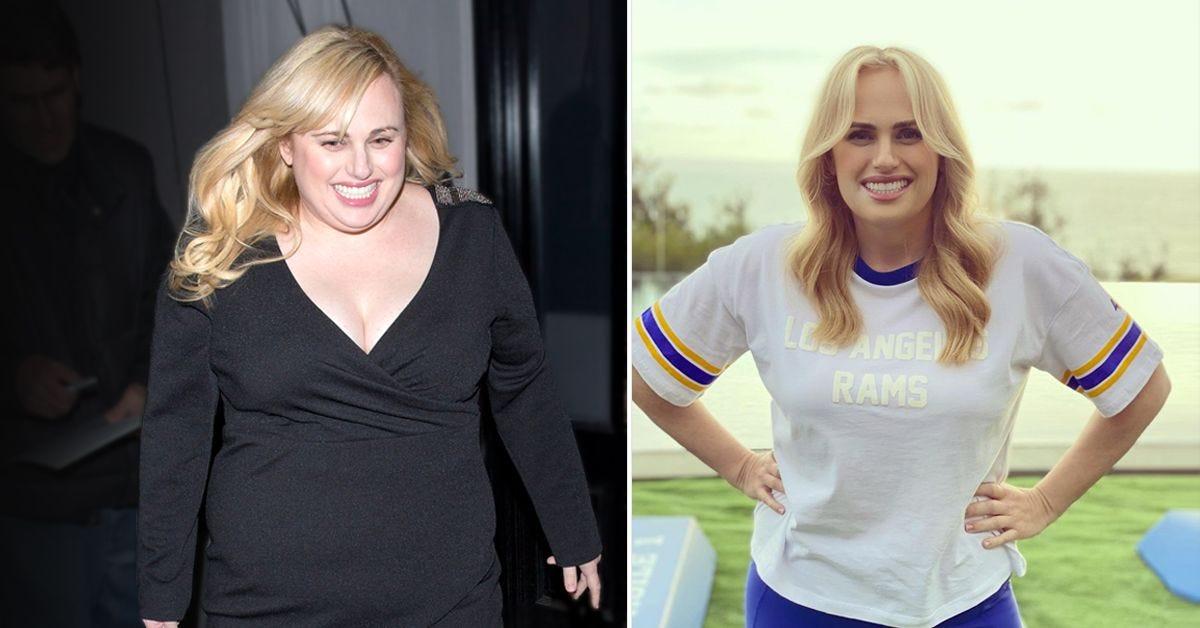
Rebel Wilson publicly called 2020 her Year of Health and shared training sessions during that period, including walking and battle-rope work. Her trainer Jono Castano also documented gym sessions as part of the longer process.
The broader story is better understood as a sustained lifestyle change than a single movie-role preparation. Wilson discussed the journey publicly through the BBC, while later coverage continued to describe her fitness work as an ongoing part of her routine.
What makes this transformation different
- It was publicly framed as a year-long lifestyle project.
- Movement included walking and gym-based conditioning.
- The story continued beyond one film's production schedule.
Emily Blunt’s Action-Role Fitness Transformation
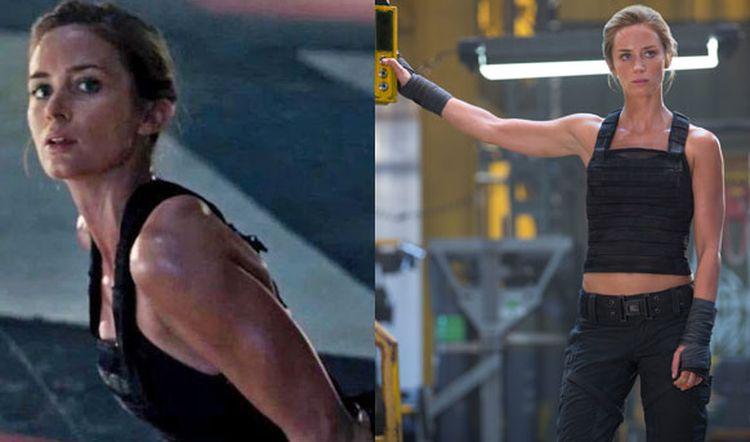
Emily Blunt's preparation for Edge of Tomorrow was built around the physical demands of carrying an armored exoskeleton and performing action sequences. Her trainer Jason Walsh described using conditioning and weighted-vest work to reproduce some of the demands of the costume.
Contemporary coverage reports that Blunt spent three months training in martial arts, weapons and wire work before filming. She also used a weighted vest to prepare for the film's approximately 85-pound or 38.6-kilogram exoskeleton. These figures are Reported from contemporary interviews.
- Mimic. Reproduce the physical demands of the costume with controlled resistance.
- Condition. Build the endurance needed for repeated action work.
- Practice. Add martial arts, weapons and wire-work skills.
Adele’s Fitness and Lifestyle Transformation
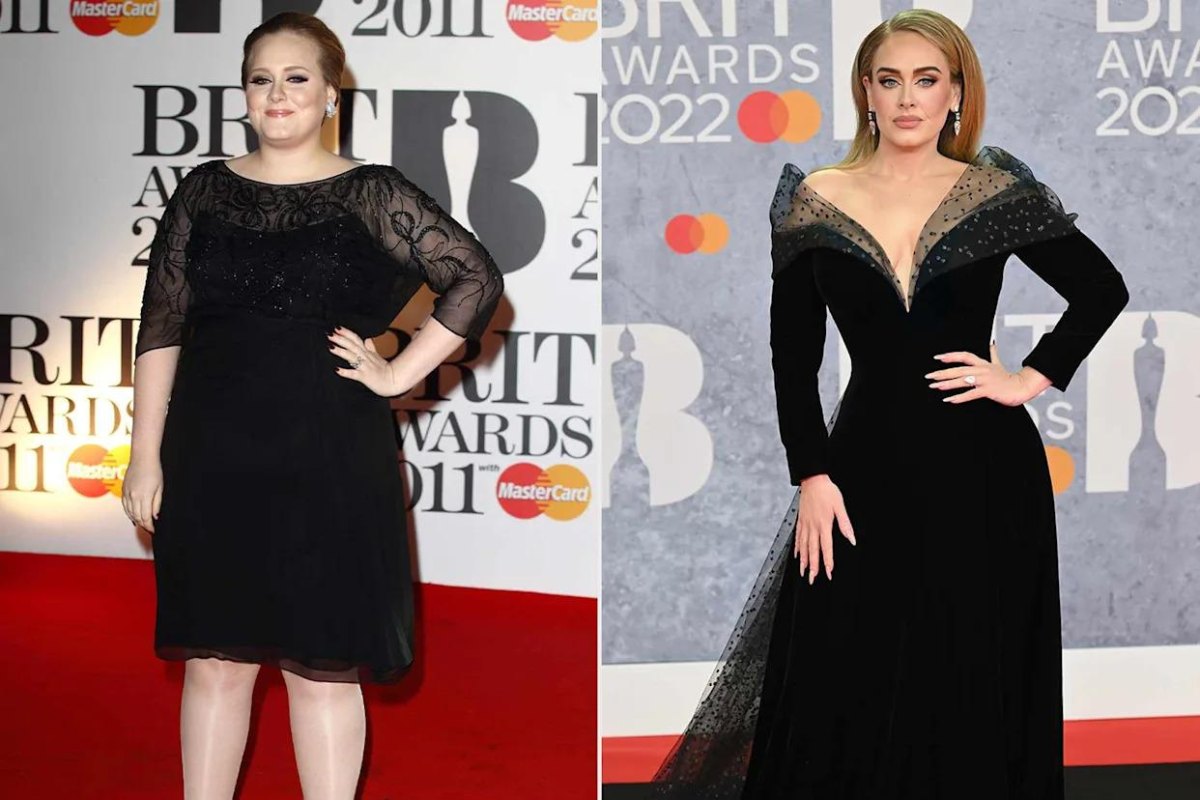
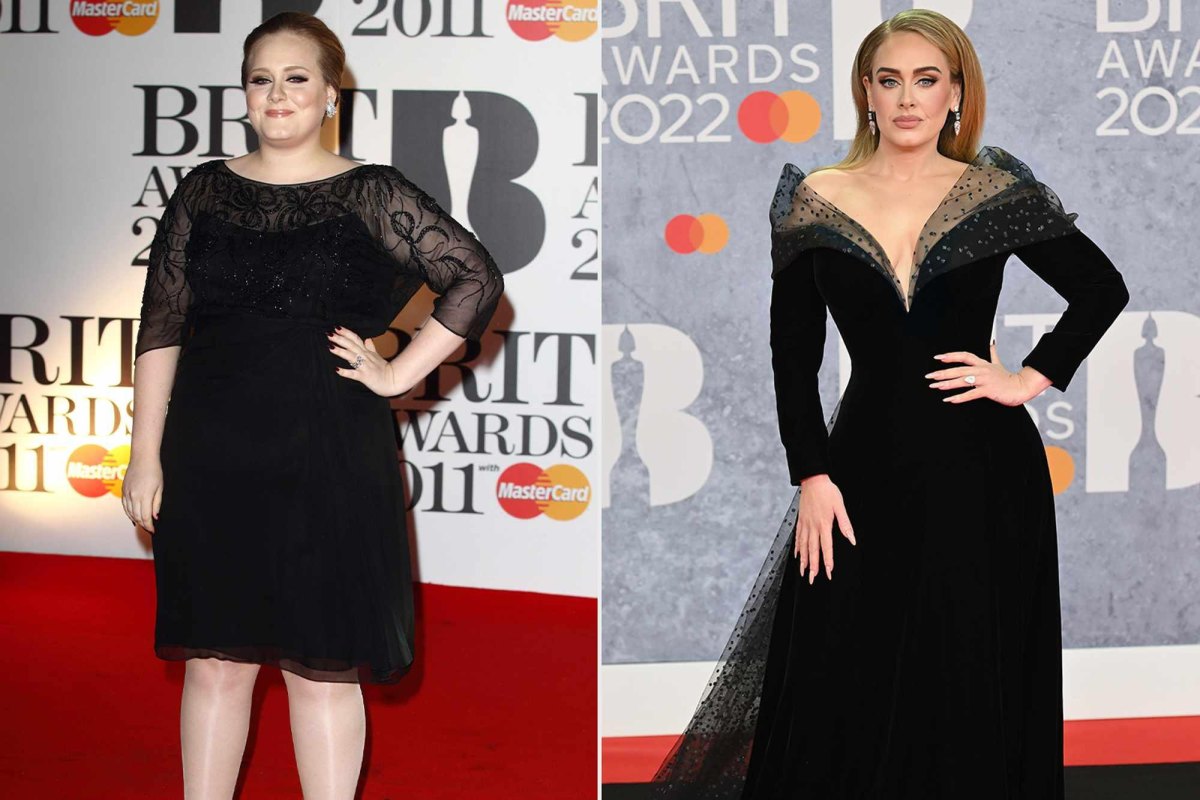
Adele's fitness story needs particularly careful framing because she herself pushed back against the idea that her exercise was simply about losing weight. In her 2021 British Vogue profile, she said the gym became important to her because she wanted to feel physically and mentally stronger.
Her trainer also described strength training and movement as central to the routine, while Adele discussed meditation, therapy and other lifestyle changes in the same interview. I would therefore describe this as a fitness and lifestyle transformation, rather than assigning a single physical objective that she did not claim for herself.
The sourcing point
When the subject has directly explained the purpose of a transformation, that account is more useful than an outside guess. Adele's own explanation makes strength and wellbeing the relevant context here.