

I believe a home makeover in midlife should do more than make a room look attractive. It should make everyday life easier, reflect the person you are today, and leave room for the interests and routines you want to enjoy tomorrow. My favorite midlife home makeover ideas start with practical improvements rather than expensive renovations, from warmer living room colors and better lighting to thoughtful storage and flexible spaces.
Current interior design coverage, including Homes & Gardens' February 2026 discussion of kitchen cabinet colors, points toward a useful principle: lasting choices and personal preferences matter more than following every trend. I would apply that same thinking throughout the house. Homes & Gardens' 2026 cabinet color guide is a helpful starting point for understanding how softer shades, greens, and natural wood can work together.
A practical approach to your midlife home makeover
- Start with the rooms and routines that need the most attention.
- Choose durable materials, comfortable furniture, and colors you genuinely enjoy.
- Prioritize lighting, organization, and accessibility alongside appearance.
- Make changes in stages to keep costs and disruption manageable.
Refresh Your Living Room with Warm, Modern Neutrals
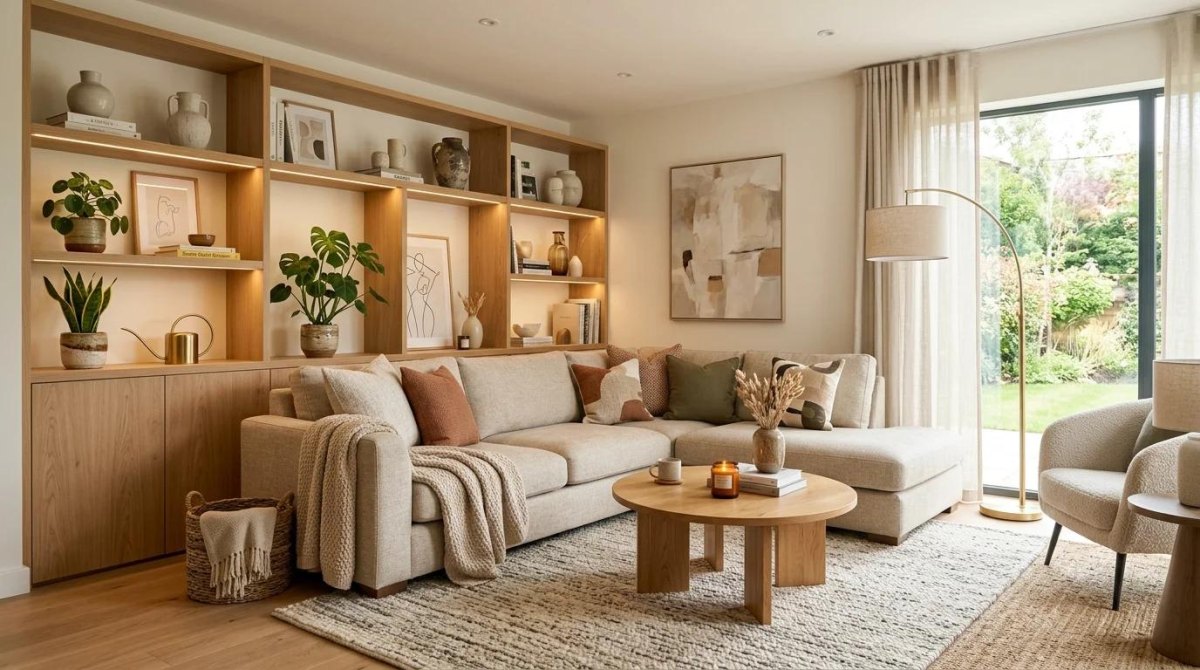
I would begin a living room makeover with a warm, flexible color palette. Cream, sand, oatmeal, mushroom, and soft taupe create a calm foundation without making the space feel plain. Homes & Gardens' living room sofa guide explores how upholstery color, silhouette, and texture influence the overall room. A neutral sofa can provide that foundation while cushions, artwork, and throws introduce more personal character.
For a manageable update, I would repaint the walls, rearrange the seating, and add a textured rug before replacing large furniture. Look at the room in daylight and after dark before committing to a paint color. Layered textures, such as linen, wool, wood, and brushed metal, give neutral rooms depth without relying on strong patterns.
My practical tip
Test paint samples on several walls and live with them for a few days. Natural and artificial light can change how the same shade appears.Create a Calm and Clutter-Free Bedroom
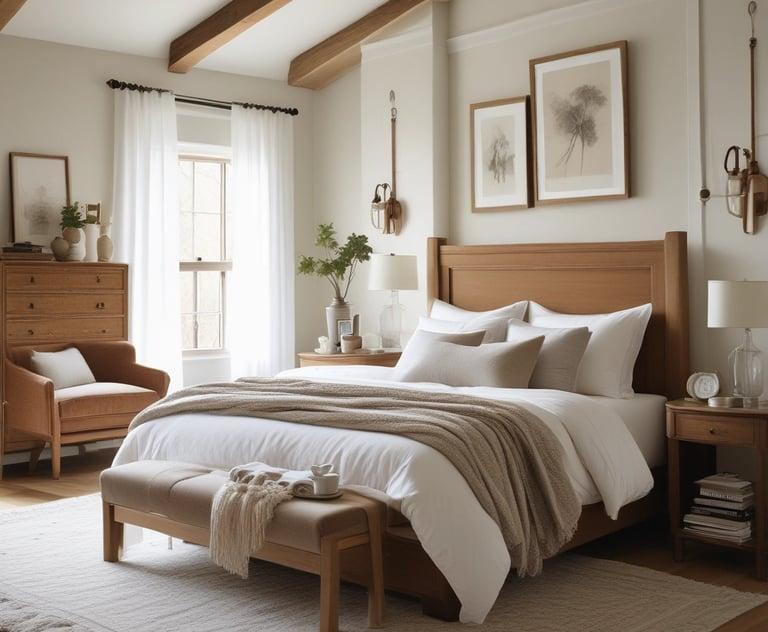
I see the bedroom as a place to simplify rather than accumulate more decorative objects. Start by removing items that no longer serve a purpose, clearing the bedside surfaces, and finding a sensible home for clothing, books, and accessories. Useful bedroom storage can include under-bed drawers, a well-organized wardrobe, and bedside tables with concealed compartments.
For the visual refresh, I would choose breathable-looking textiles, a restrained color scheme, and lighting suited to reading as well as winding down. Soft whites, muted greens, and gentle earthy tones work with many furniture finishes. Keep the layout convenient: frequently used items should be within reach, and walking routes should remain clear. A makeover does not need to involve a new bed if the existing one remains comfortable and fits the room.
- Remove unnecessary items from visible surfaces.
- Review the wardrobe and donate usable items you no longer need.
- Choose bedding colors that work with the walls and curtains.
- Add a reading light and keep the route to the door unobstructed.
Upgrade Your Kitchen with Timeless Cabinet Colors
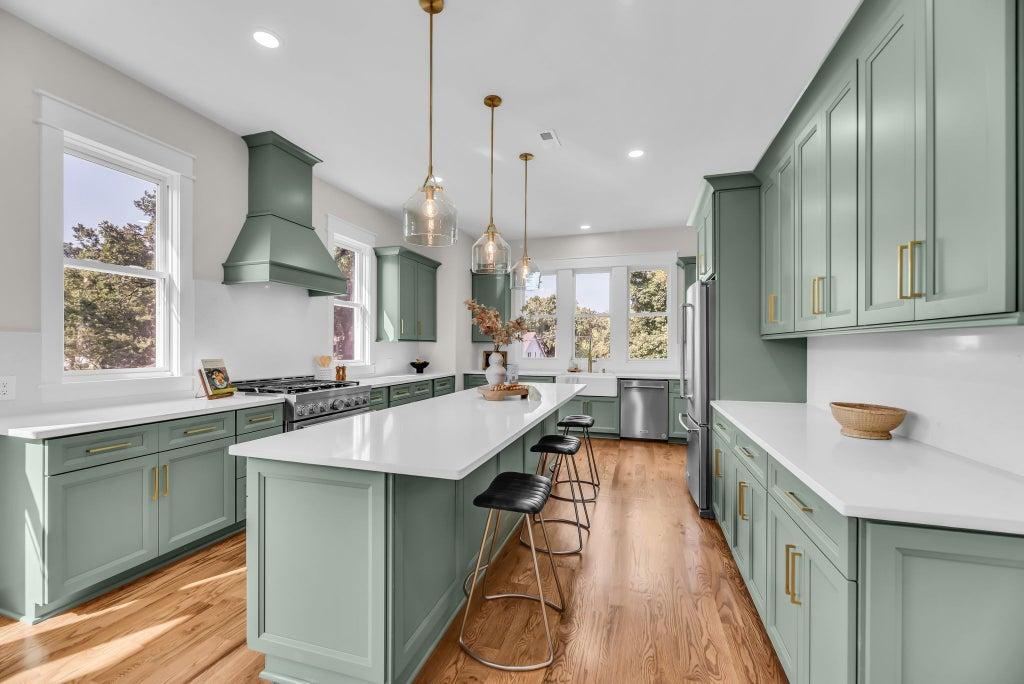
Kitchen cabinets occupy a large share of the room, so their color can change the entire impression without requiring a full renovation. In its 2026 cabinet color coverage, Homes & Gardens identifies soothing greens, lighter blues, stained wood, and deeper red tones among the year's design directions. I would treat those ideas as inspiration, not instructions to follow a trend.
For a long-lasting result, consider warm white, sage green, muted blue, or natural wood, taking your countertop, backsplash, floor, and daylight into account. Repainting sound cabinets can be a more economical alternative to replacing them, provided the surfaces are suitable and properly prepared. Clean, sand where appropriate, prime, and use a finish intended for cabinetry. Test the color on a door before committing to the whole kitchen.
Before you paint
Check the cabinet material, existing finish, and product instructions first. Damaged doors, peeling coatings, or moisture problems may need repair before decorative work begins.Design a Spa-Inspired Bathroom Retreat
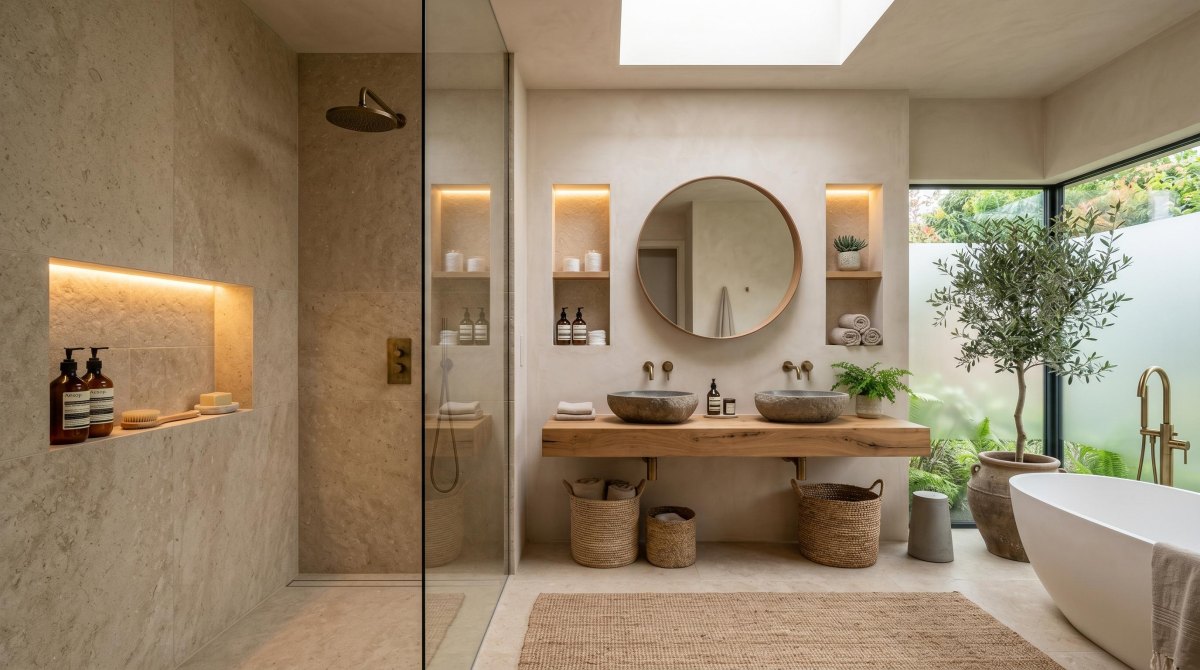
A spa-inspired bathroom does not have to involve moving plumbing or installing an expensive freestanding tub. I would start with the changes that influence daily use: clear counters, coordinated towels, better mirror lighting, and a place to keep toiletries out of sight. Natural-looking finishes, including stone-effect tiles, wood-look cabinetry, and muted colors, can create a restful atmosphere without requiring every surface to be replaced.
When the budget allows, consider a shower upgrade, a more functional vanity, or water-efficient fittings. A walk-in shower may improve convenience, but the design must account for drainage, waterproofing, slip resistance, and the available space. I would also ensure the room has suitable ventilation to help control moisture. For a smaller refresh, replace worn accessories, refresh the grout where appropriate, and introduce warm, even lighting around the mirror.
Keep the retreat practical
Choose bathroom materials for water exposure and ease of cleaning, not appearance alone. Leave waterproofing, electrical work, and significant plumbing changes to qualified professionals where required.Turn an Empty Corner into a Cozy Reading Nook
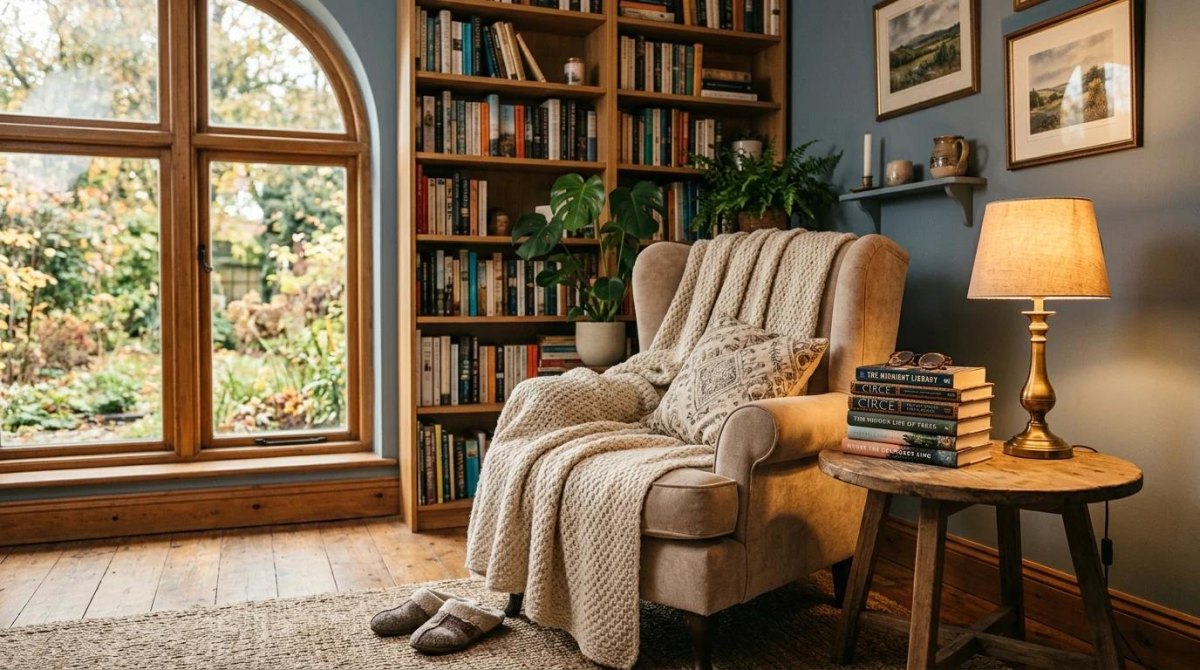
An unused corner can become one of the most enjoyable parts of a home with only a few well-chosen pieces. I would begin with a comfortable armchair, a small side table, and a reading lamp that directs light onto the page. A footstool, soft throw, and small shelf can finish the arrangement without taking over the room. A dedicated reading nook also gives an otherwise overlooked area a clear purpose.
Measure before buying furniture, particularly if the corner sits beside a doorway or a frequently used walkway. Place the chair where daylight is pleasant without creating distracting glare, and make sure the lamp works after sunset. If floor space is limited, a wall-mounted shelf and a compact chair may be more practical than a full bookcase. I would choose items that can move elsewhere if the room's needs change.
Make comfort the priority: test the seat height, back support, and armrests rather than choosing a chair based only on its appearance. Keep a few favorite books within reach and resist filling every available surface with accessories.
Bring Nature Indoors with Houseplants and Natural Materials
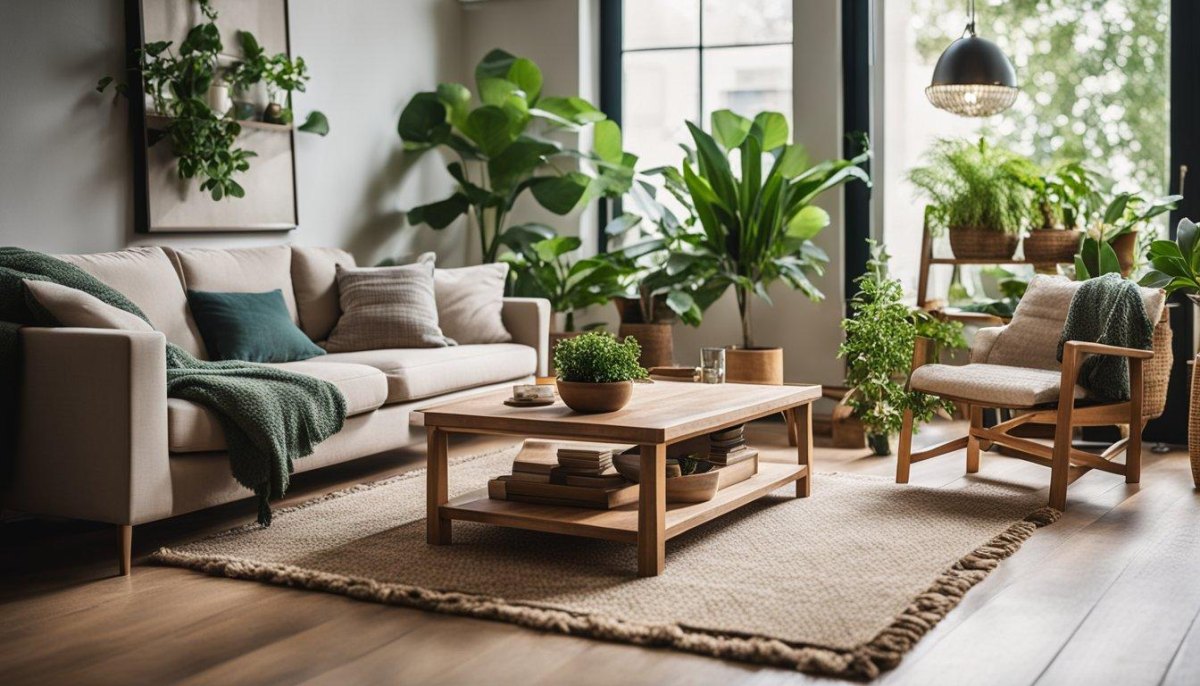
Houseplants, wood, woven fibers, and linen can make an interior feel connected to the natural world. I like using a few plants of different heights alongside wooden furniture or woven baskets instead of turning every shelf into a display. Choose plant varieties according to the light, temperature, humidity, and care you can realistically provide. Natural materials and greenery can add texture and visual interest even when the rest of the room stays simple.
There is one important distinction worth keeping in mind: plants are attractive design elements, but they should not replace ventilation or other measures for maintaining indoor air quality. A systematic review published in 2020 and indexed by PubMed examined research on indoor plants and air quality, illustrating that this topic involves more than a decorative assumption. See the systematic review of indoor plants and air quality for the research context.
For an easy starting point, group two or three plants near suitable natural light and use pots that suit the room's palette. Match plants to your routine, and check their suitability if you have pets or young children. A healthy, manageable collection is more useful than a large display that becomes difficult to maintain.
Make Your Entryway More Welcoming and Functional
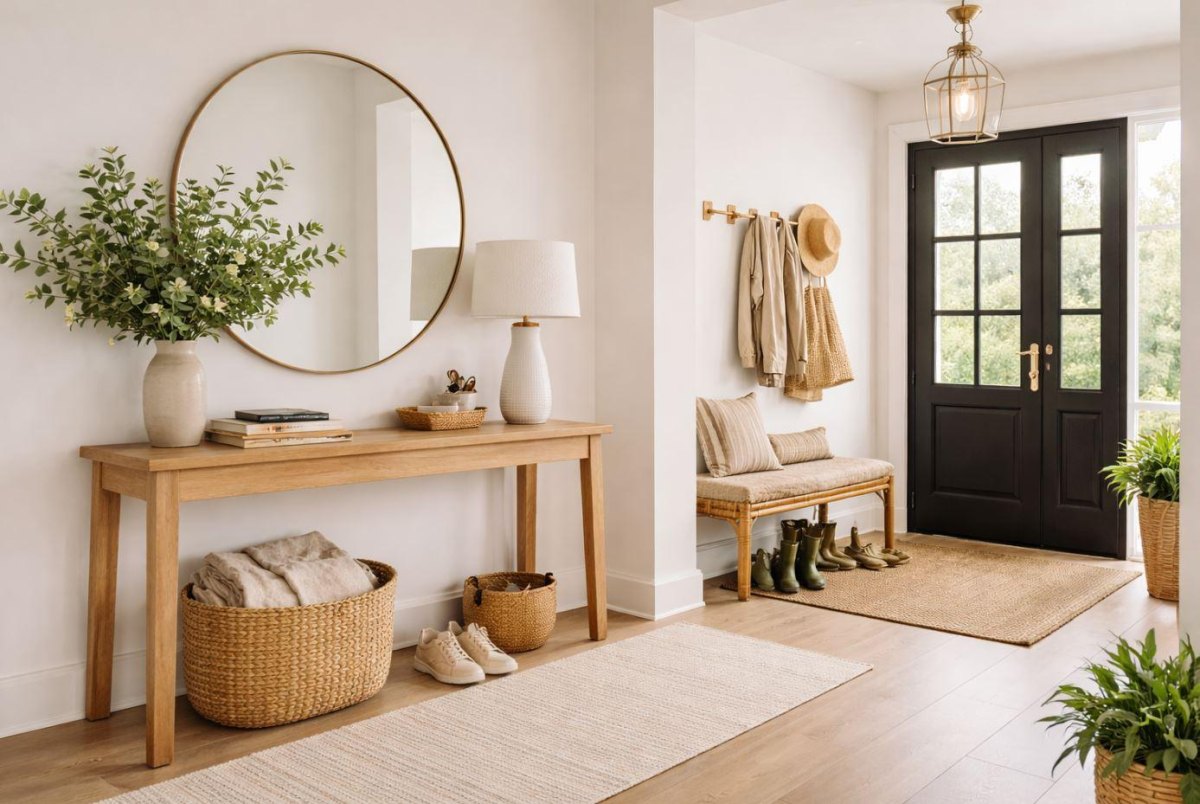
The entryway is where keys, shoes, coats, bags, and incoming mail can quickly accumulate. I would give each of these items a designated place before buying decorative accessories. A narrow shoe cabinet, wall hooks, a small tray, and a bench with storage can improve the entrance without requiring a large foyer. Well-planned entryway storage makes leaving home and returning at the end of the day less complicated.
Small-space organization advice, including the 2026 ideas covered by Real Simple's mudroom organization guide, highlights practical solutions such as shoe benches, compact cabinets, and wall-mounted organizers. I would adapt those ideas to the actual dimensions of the entrance rather than buying a piece that blocks a door or narrows the passage.
- Measure. Check the usable wall width and door swing.
- Assign. Decide where shoes, outerwear, keys, and mail belong.
- Contain. Use baskets or closed storage for small items.
- Finish. Add a mirror or a suitable light if the space needs brightness.
Transform Your Home Office into a Productive Sanctuary
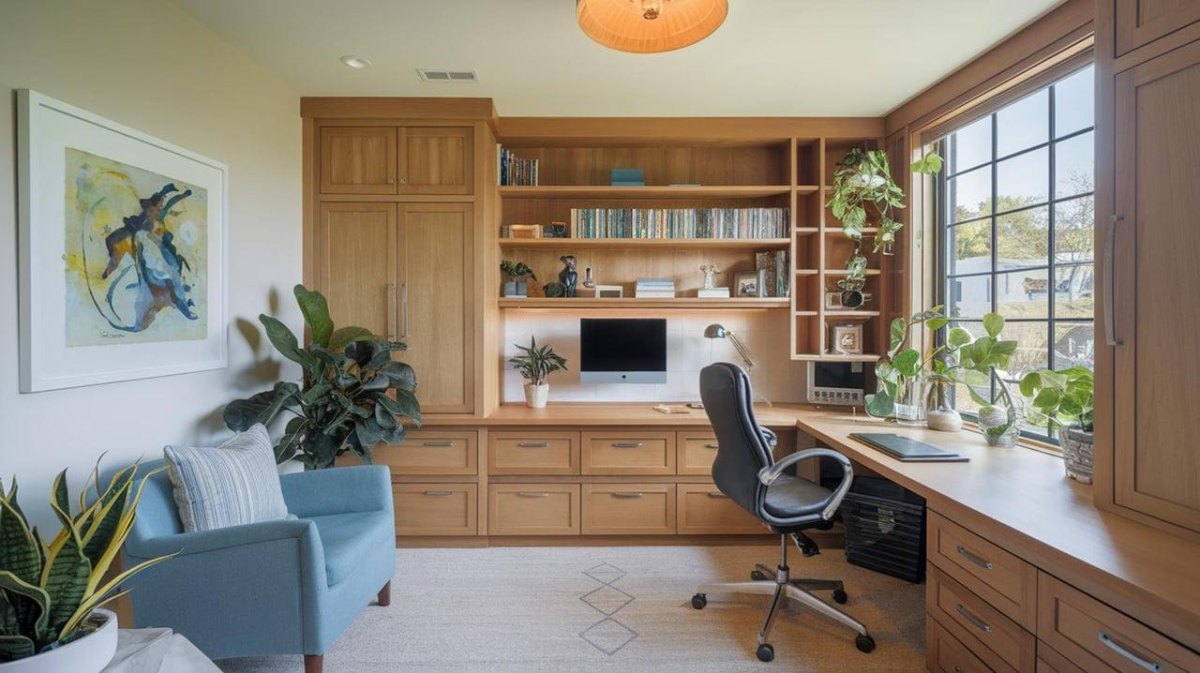
A home office should support the way you actually work, read, plan, or manage household tasks. I would start with a desk that provides enough working surface, a chair that supports a comfortable position, and storage that keeps frequently used materials accessible. Practical ergonomics matter more than matching furniture. Position the screen so you can look at it without repeatedly bending your neck, and keep the keyboard and mouse close enough to use comfortably.
Lighting deserves equal attention. Place the desk to make good use of daylight while limiting reflections on the screen, and add a task light when the room needs more focused illumination. Keep chargers and cables organized, and give paperwork a designated home. If the office shares space with a bedroom or living room, a compact cabinet or folding screen can help separate work materials from the rest of the room.
Plan for flexibility if your work habits may change. A movable lamp, adjustable monitor support, and modular storage are easier to adapt than built-in solutions designed around a single activity.
Add Character with Statement Walls and Textured Finishes
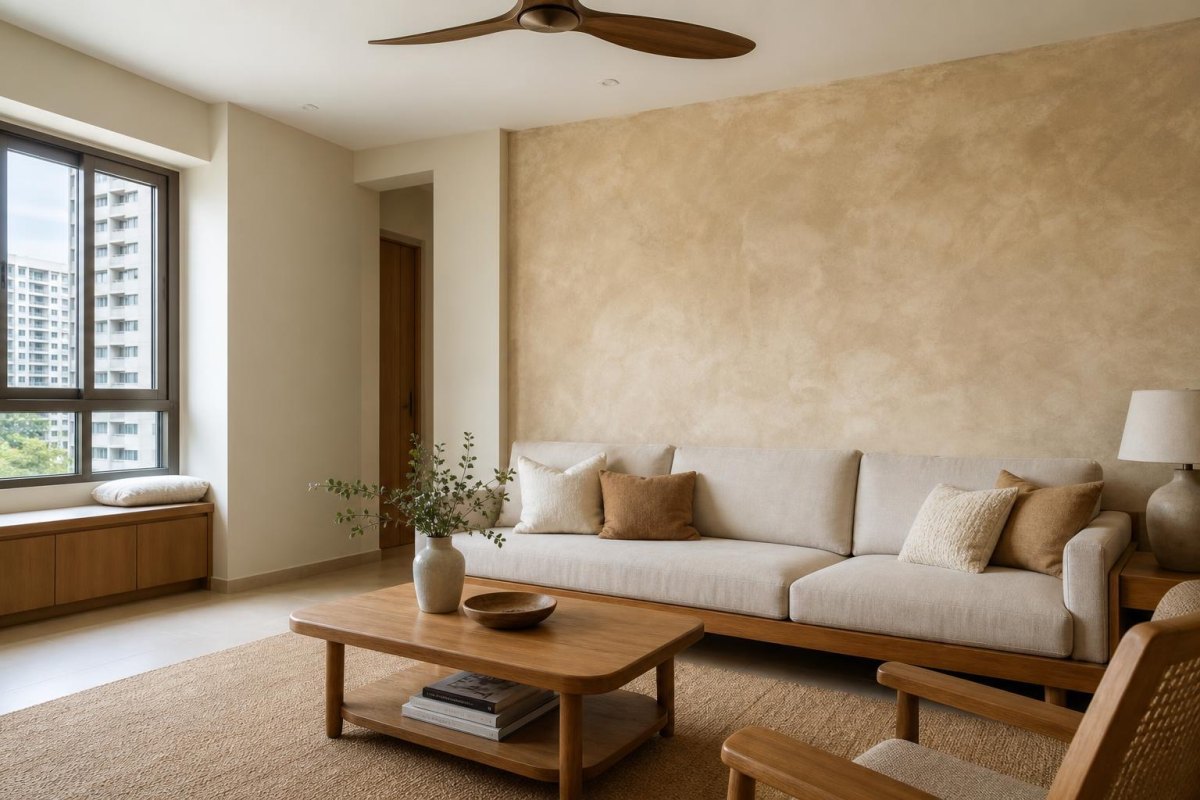
A statement wall can give a room a clear focal point without requiring a complete redecoration. I would consider a muted accent color, subtle wallpaper, timber detailing, or a textured paint finish such as limewash. The right choice depends on the room's existing architecture, light, and furnishings. A carefully chosen feature wall should connect to the rest of the space rather than look like an unrelated patch of decoration.
Before choosing a finish, look at samples beside the floor, furniture, and fabrics that will remain. Textured surfaces can look quite different under direct sunlight and artificial lighting. If you want a lower-commitment change, paint the wall behind a sofa or bed, or use artwork to establish a focal point instead. For more involved wall treatments, check the manufacturer's preparation and maintenance instructions.
Use texture with restraint. One prominent finish, supported by simpler surrounding surfaces, often gives a room more coherence than several competing patterns. If the property is older, investigate the existing coating before sanding or disturbing it, particularly if lead-based paint could be present.
Update Your Lighting for a Softer, More Inviting Atmosphere
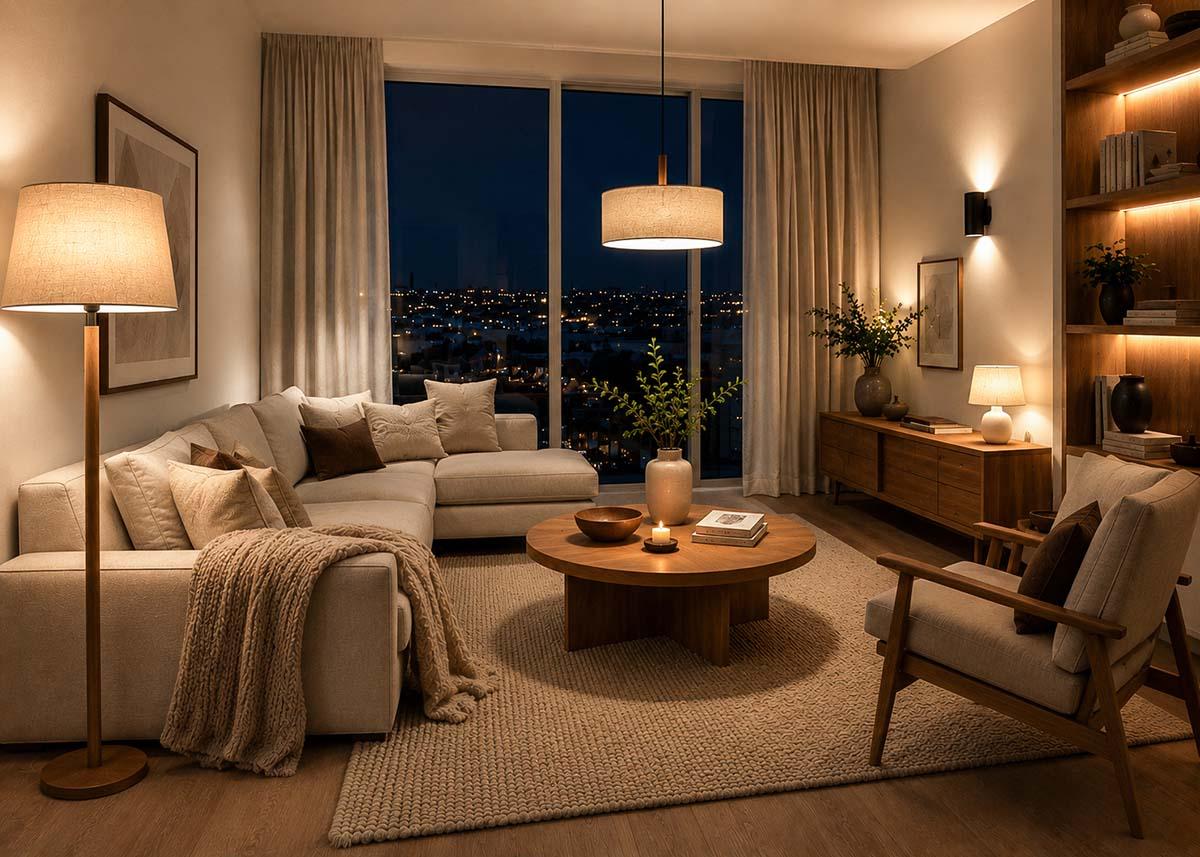
Lighting can change how a room functions and how its colors and materials appear. Rather than relying on a single ceiling fixture, I would combine three layers: ambient lighting for general visibility, task lighting for activities such as reading or cooking, and accent lighting for artwork or architectural details. Layered home lighting creates more flexibility because each source has a distinct job.
A 2026 lighting guide from Vaughan Designs explains the role of combining ambient, task, and accent sources. For a practical update, try a floor lamp beside the sofa, a reading lamp near the bed, or under-cabinet lighting in the kitchen. Dimmers and separately controlled lights can make the same room work for different activities throughout the day.
| Lighting layer | Useful examples |
|---|---|
| Ambient | Ceiling fixtures and general room lighting |
| Task | Desk lamps, reading lights, and countertop lighting |
| Accent | Picture lights and illumination for shelves or architectural features |
Check the bulb and fixture specifications before purchasing replacements. The right brightness, color appearance, and dimmer compatibility depend on the room and the intended activity. Leave new wiring and other electrical alterations to a qualified professional.
Create a Dining Area That Encourages Connection
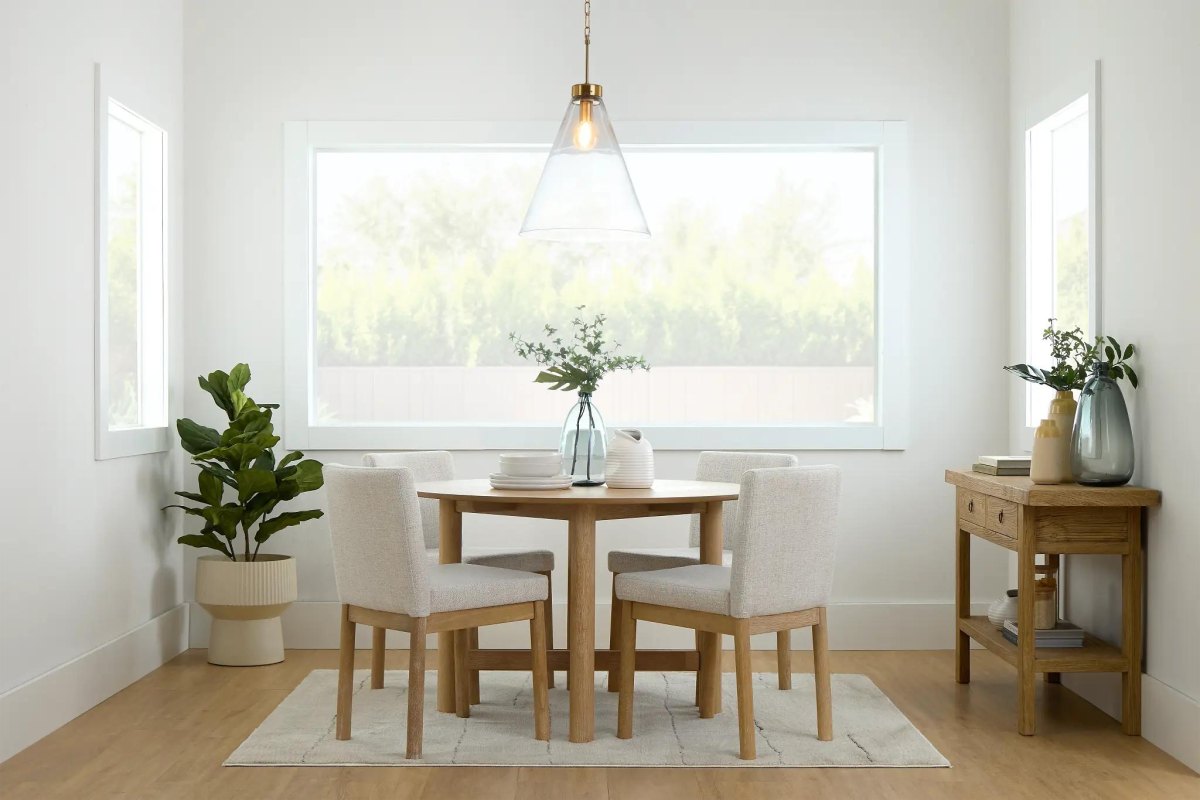
A welcoming dining area needs to work for ordinary meals as well as longer conversations with friends and family. I would start with a table that fits the room and allows people to sit down and move around without constantly shifting furniture. Comfortable chairs, a useful centerpiece, and light directed toward the table can make the area feel intentional. Comfortable seating and sensible spacing are more important than purchasing a matching furniture set.
Recent dining room advice from The Spruce discusses how furniture combinations, fixture scale, and lighting affect the overall impression of a dining space. Its dining room design guide is a useful reminder to consider how chairs, rugs, and lighting function together. I would also check that chairs can be pulled out easily and that the rug, if used, leaves enough room for them to move without catching at the edges.
Keep the table versatile. A simple vase, a low bowl, or a runner can add character without occupying too much space. If the dining area doubles as a workspace, use a nearby cabinet or basket to store paperwork and supplies at mealtimes.
Maximize Storage with Stylish Built-In Solutions
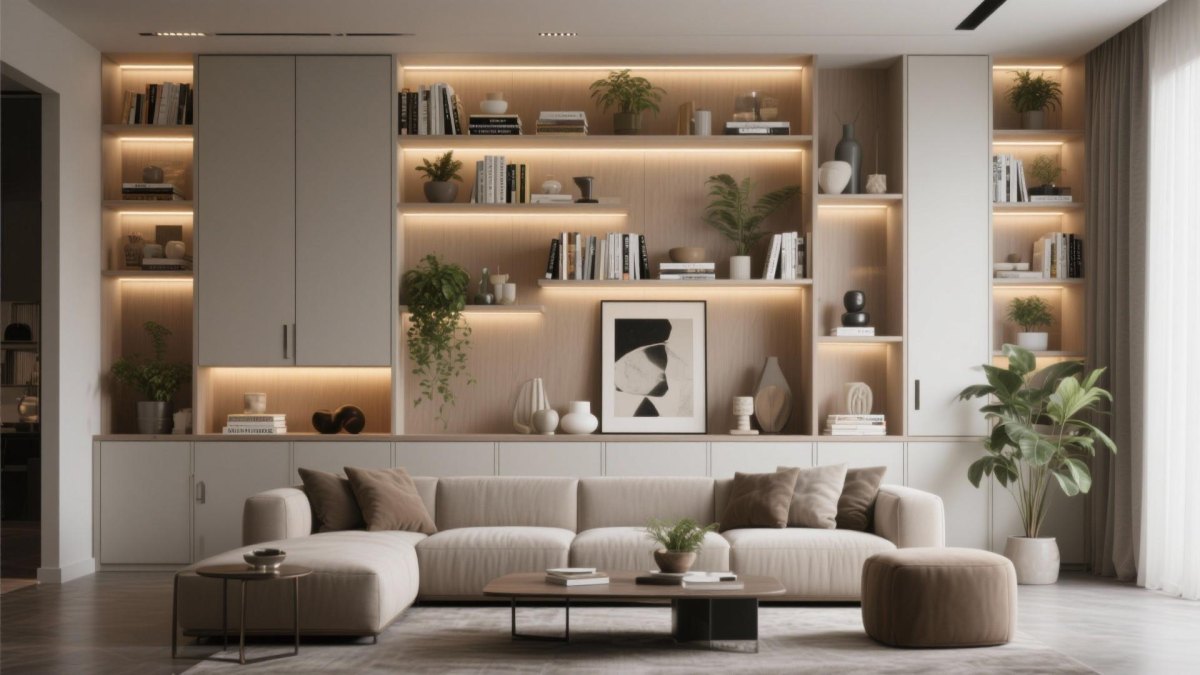
Storage works best when it reflects what you own and how you use it. Built-in cabinets, fitted shelving, window seats with compartments, and cupboards that use awkward alcoves can all make a room easier to manage. I would first identify the items that repeatedly create clutter, then choose a storage solution that gives those belongings a predictable home. Storage designed around daily habits is more useful than adding cabinets simply because a wall is empty.
Measure the items that will go inside the unit before planning shelf heights and depths. Closed cabinets are useful for everyday objects that do not need to remain on display, while open shelves can accommodate books, selected artwork, and a few decorative pieces. For a lower-cost alternative to custom joinery, consider modular shelving or ready-made cabinets that fit the room's dimensions.
Preserve circulation space when planning built-ins, especially near doors, windows, and frequently used walkways. If you rent, freestanding storage may be more suitable than permanent alterations. For extensive cabinetry, confirm wall construction and the location of utilities before installation.
Give Old Furniture New Life with Creative Upcycling
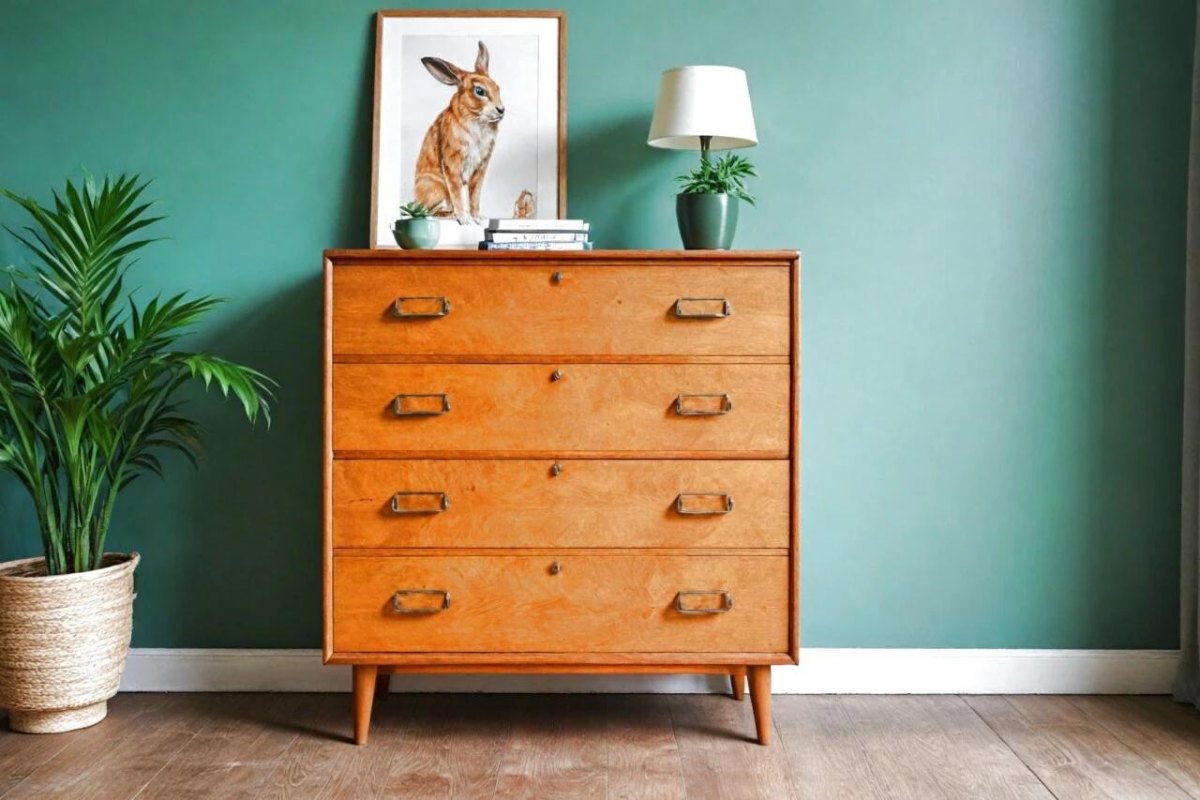
Replacing furniture is not always necessary to refresh a room. A well-made dresser, side table, or wooden chair may need cleaning, repaired hardware, a new finish, or a different position rather than replacement. I would begin by checking the item's condition and structural stability. Thoughtful furniture upcycling can preserve useful pieces, reduce waste, and introduce character that is difficult to achieve with an entirely new matching set.
For a straightforward project, update drawer pulls, repaint a suitable surface, or refinish a tabletop according to the material and product instructions. Prepare the work area properly and use appropriate protective equipment. Older painted furniture needs particular care: the US Environmental Protection Agency provides guidance on lead-safe renovation, repair, and painting. Avoid dry sanding or otherwise disturbing potentially lead-containing coatings until the risks have been assessed.
Safety comes before the finish
Do not assume old paint is lead-free. Follow applicable safety guidance, use suitable containment and protective measures, and seek qualified help when a coating or the item's condition is uncertain.Choose one clear change for each piece. A carefully selected paint color or a restored natural wood finish is often enough to make old furniture feel at home in a refreshed interior.
Bring Fresh Energy to Your Home with New Flooring
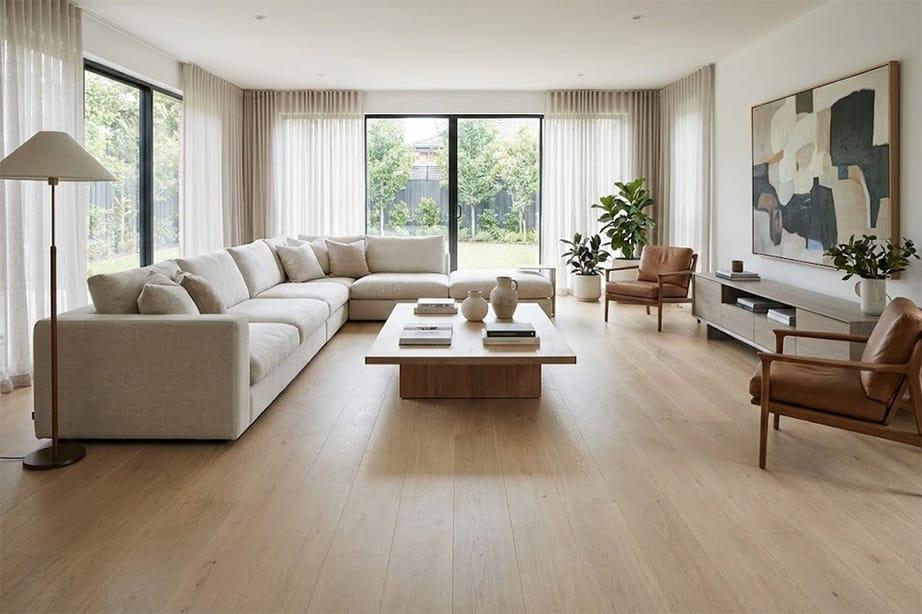
Flooring influences the appearance, comfort, maintenance, and sound of a room, so I would choose it according to the way the space is used. Wood flooring offers a familiar natural appearance, while quality resilient flooring can be useful in areas where moisture resistance and straightforward cleaning matter. Cork and other specialist materials may suit particular rooms, but their installation and maintenance requirements should be checked carefully. The right flooring choice is the one that fits the room, budget, and household routine.
Before choosing a material, compare durability, surface texture, cleaning instructions, installation costs, and suitability for the existing subfloor. Request samples and look at them beside the walls and furniture in both daylight and evening light. Replacing every floor at once can be expensive, so I would prioritize worn or damaged areas and look for a coordinated palette across adjoining rooms.
Do not overlook preparation. Moisture, uneven subfloors, transitions between rooms, and the direction of existing doors can affect the final result. Ask the installer or manufacturer about subfloor requirements and underlay before committing to a product.
Turn Your Patio or Balcony into an Outdoor Living Room
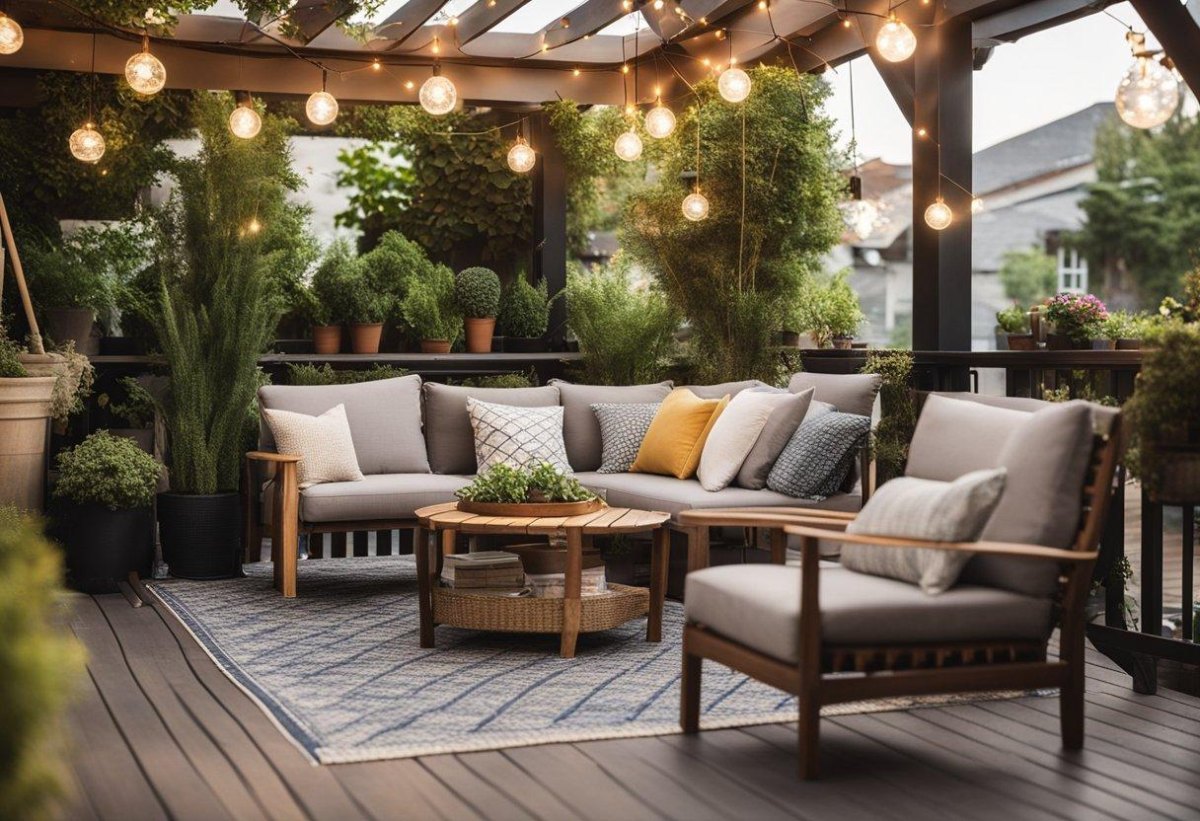
An outdoor space can become a useful extension of the home with surprisingly few changes. I would begin with comfortable seating scaled to the patio or balcony, then add an outdoor rug where appropriate, weather-suitable cushions, and planters that do not obstruct movement. A functional outdoor living area should leave enough space to walk, open doors, and reach any storage or equipment safely.
For a small balcony, foldable chairs, a compact table, and vertical planters may be more practical than a full lounge set. On a larger patio, separate seating and dining zones can help the space serve several purposes. Choose furnishings and fabrics designed for local weather conditions, and make sure containers and accessories are secure in wind. Consider shade and privacy without blocking drainage or ventilation.
Start with the conditions you have. Observe when the area gets sun, how much wind it receives, and where rain collects. Those details will help determine suitable plants, furniture materials, and shade options. Check building rules and weight restrictions before adding heavy planters or attaching anything to a balcony railing.
Embrace a Sophisticated Color Palette That Reflects Your Style
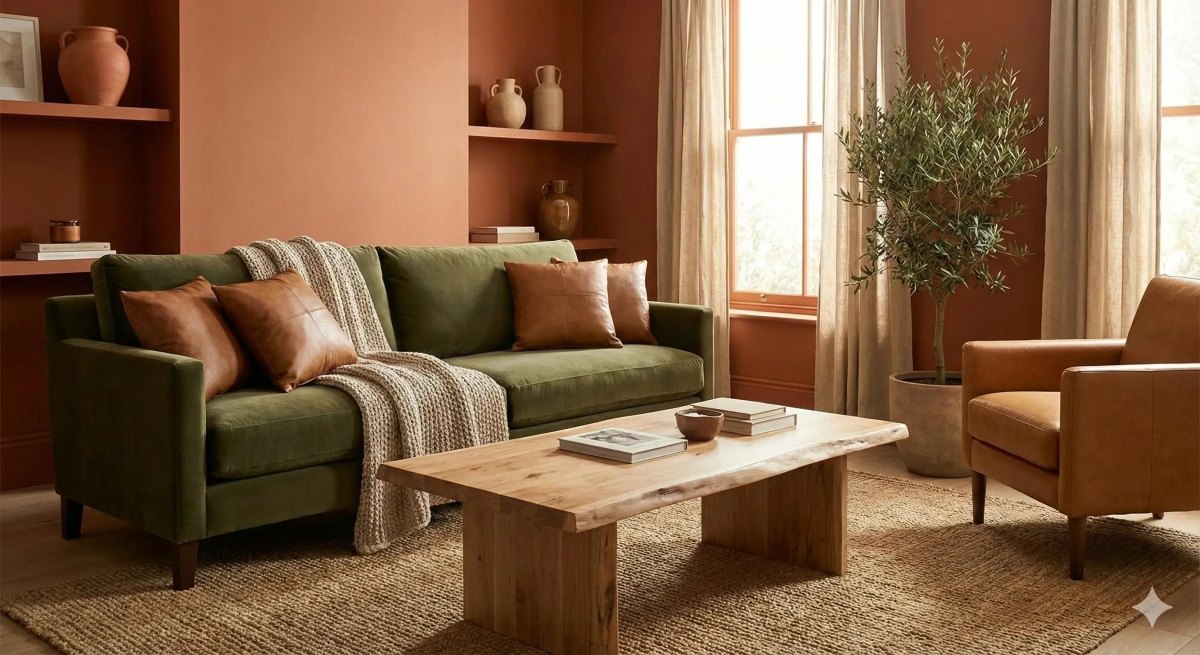
Midlife is a useful time to reconsider whether your home still reflects your preferences. I would choose a small group of colors that work together rather than selecting each room in isolation. Cream, olive, terracotta, warm brown, muted blue, and soft charcoal can provide different levels of contrast while allowing furniture and artwork to stand out. A cohesive color palette creates continuity without requiring every room to look identical.
Look at fixed elements first, including floors, countertops, large furniture, and existing tile. Then choose wall colors and accents that complement those features. If you are drawn to a strong shade, introduce it through a painted cabinet, an upholstered chair, curtains, or artwork before committing to a large surface. Homes & Gardens' cabinet color reference offers examples of how warmer neutrals and deeper colors can be balanced with surrounding materials.
Test the palette in context. Paint samples and fabric swatches should be viewed together under the room's actual lighting. The goal is not to follow a prescribed trend, but to create a combination you will enjoy living with for years.
Make Your Home More Comfortable with Age-Friendly Design
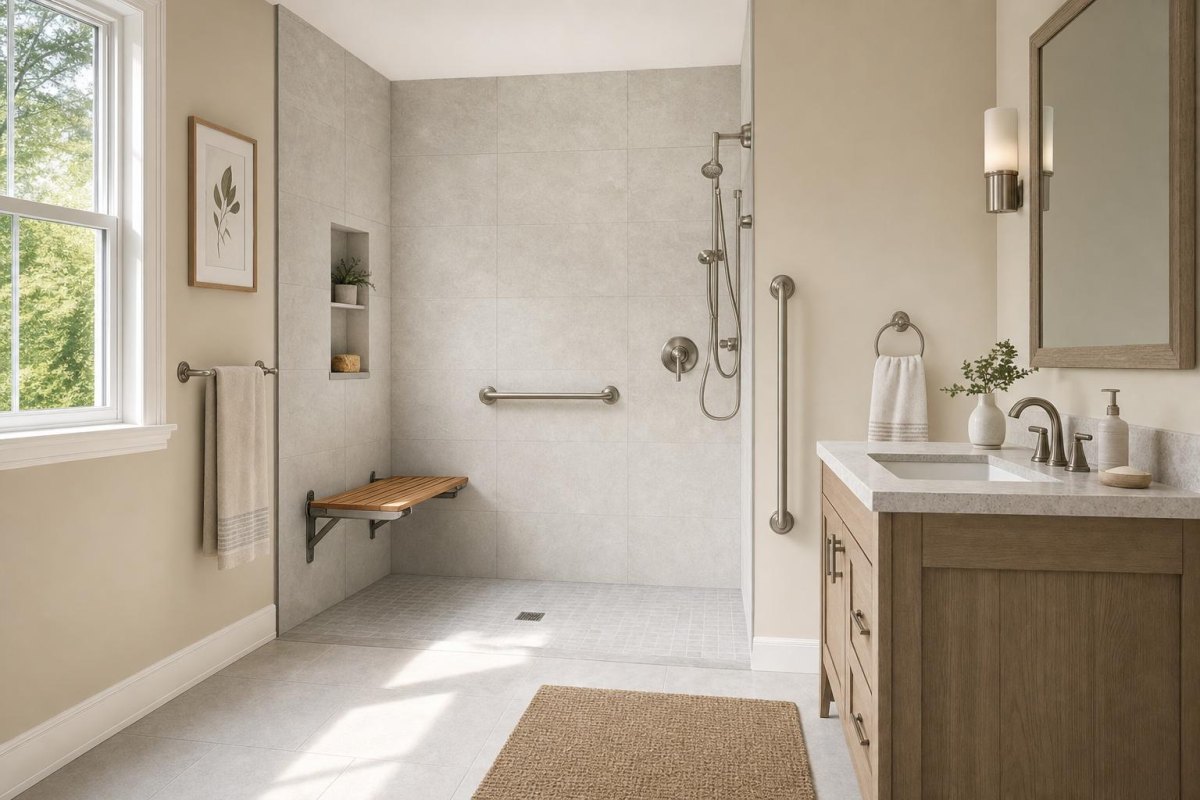
Age-friendly design is worth considering well before a major renovation becomes necessary. I would look for everyday obstacles first: slippery floors, poorly lit steps, awkward thresholds, narrow routes, and storage that requires frequent reaching or bending. Comfortable and accessible home design can improve the usability of a space for people with different needs without making the interior feel clinical.
Possible improvements include adding brighter, well-positioned lighting, choosing secure floor finishes, improving contrast at important edges, and keeping frequently used items within an easy reach. In a bathroom, a professionally planned walk-in shower, suitable grab bars, and slip-resistant surfaces may be useful depending on individual requirements. Grab bars need appropriate structural support and installation; suction-cup accessories should not be treated as equivalent safety equipment.
Plan around real movement through the home. Keep routes clear, make sure doors and drawers can be operated comfortably, and assess entrances, stairs, and bathrooms before undertaking costly changes. For substantial adaptations, a qualified occupational therapist, accessibility specialist, or appropriately trained contractor can help match modifications to the people who will use them.
Think beyond the immediate makeover
Choose improvements that are useful now and adaptable later. Good lighting, clear walkways, convenient storage, and well-planned circulation benefit many households regardless of age.Create a Personal Sanctuary for Hobbies and Relaxation
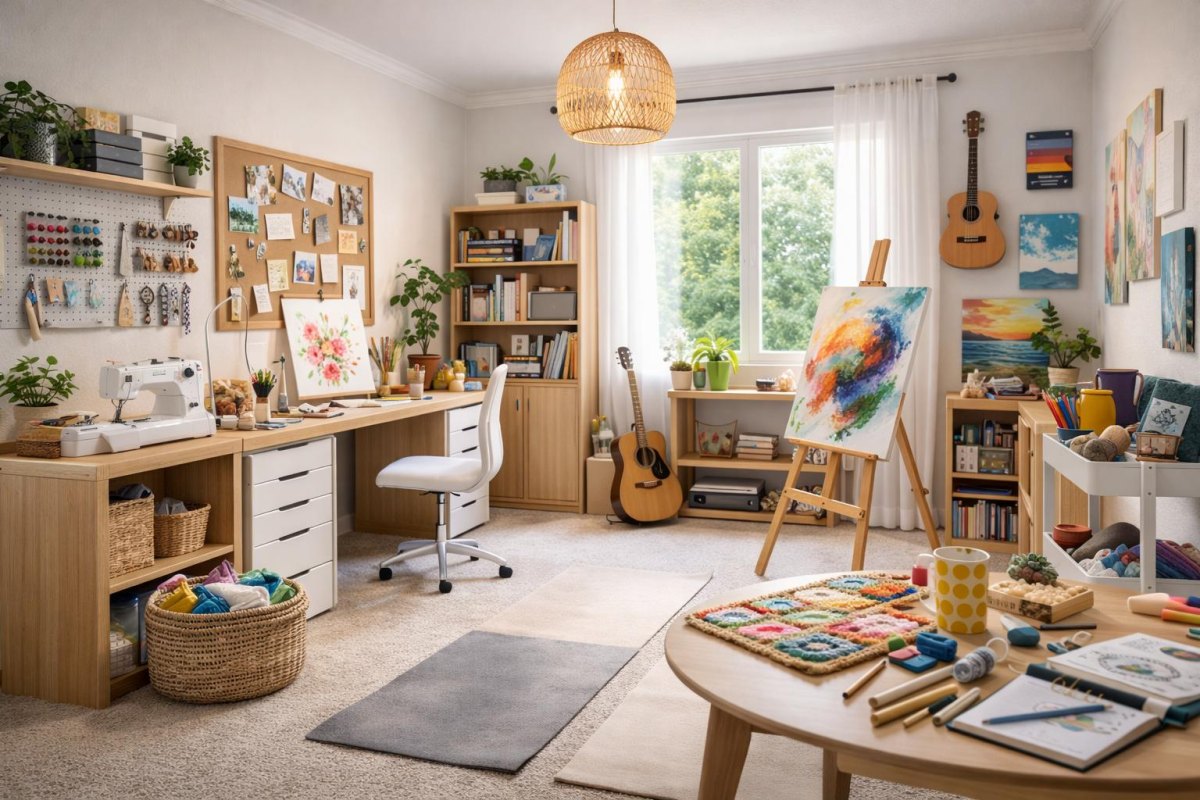
A personal sanctuary does not need to be a separate room. A quiet corner, part of a spare bedroom, or a section of the living room can become a place for reading, painting, music, sewing, puzzles, or another activity you enjoy. I would define the space by its main purpose and keep the equipment needed for that activity close at hand. A dedicated hobby area makes it easier to return to an interest without having to set everything up from scratch each time.
Choose storage according to the materials involved. Closed boxes can keep supplies tidy, open shelving can display selected books or finished work, and a sturdy work surface may be essential for crafts. Good task lighting is especially helpful for detailed activities. If the space serves more than one purpose, a folding table, mobile trolley, or storage bench can make transitions easier.
Let the space reflect you rather than a showroom. Display a few meaningful objects, select a chair that suits the activity, and avoid filling the area with furniture you rarely use. I would start with what you already own and make additions only when a clear need appears.
A manageable first step
Set aside one small area, remove distractions, and organize the essentials for a single favorite activity. Try that arrangement before investing in a complete room makeover.The most successful midlife home makeover is not necessarily the most expensive or dramatic. I would prioritize the rooms that affect everyday life, invest in improvements that solve real problems, and let the design develop in stages. A home can look refreshed while remaining practical, personal, and ready for whatever the next chapter brings.

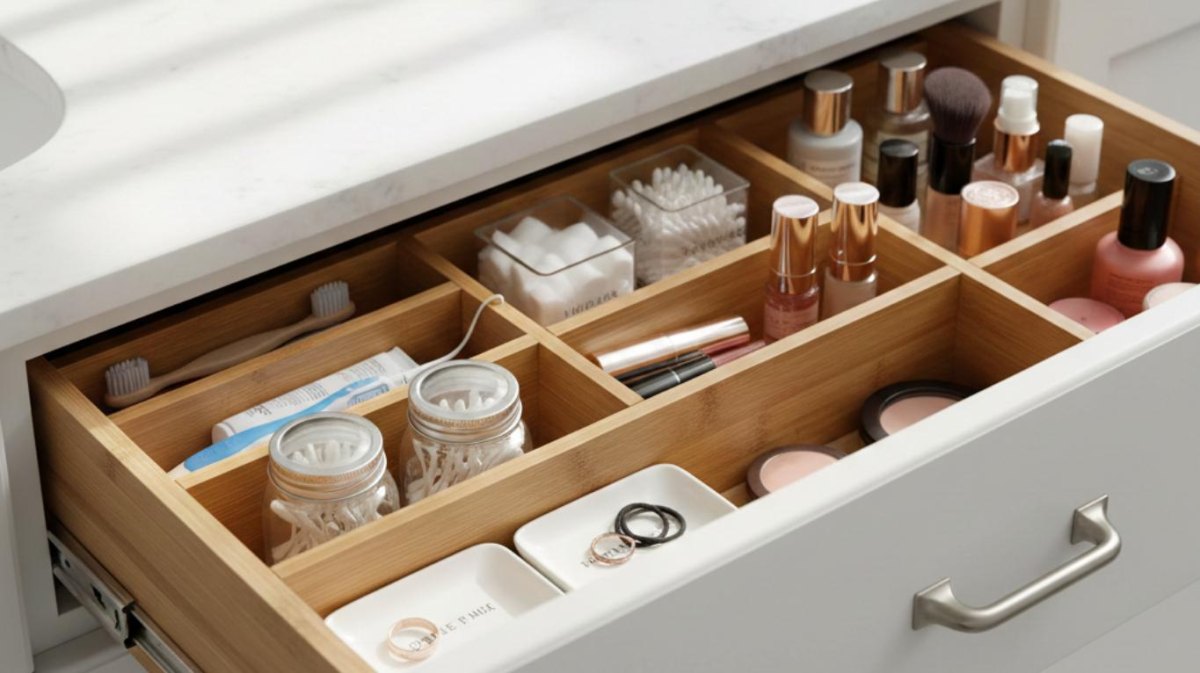 Home Organization15 Bathroom Drawer Organization Ideas to Maximize Space and Reduce Clutter
 Celebrity Fashion10 Standout Oscars Red Carpet Dresses That Inspire Timeless Style
 Celebrity FitnessCelebrity Fitness Transformations Worth Looking At
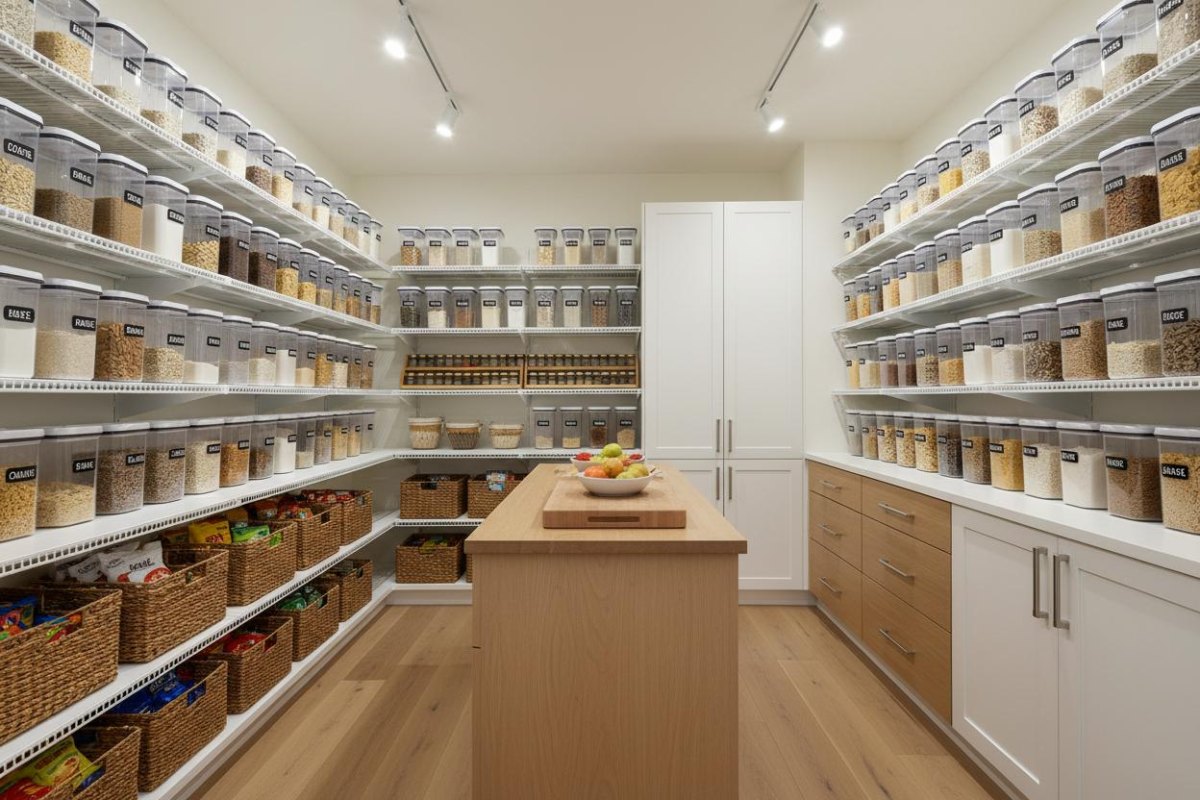 Home DesignWalk-In Pantry Organization Ideas That Make Every Shelf Work