

A small closet becomes much easier to manage when storage is planned around the space you actually have. The most effective upgrades focus on vertical storage, flexible organizers, and keeping frequently used items visible.
I have gathered practical solutions that work for compact wardrobes, including shelving, bins, hanging systems, and accessory storage. The goal is not adding more clutter, but creating a system where every item has a place.
Use Vertical Space With Tall Shelving
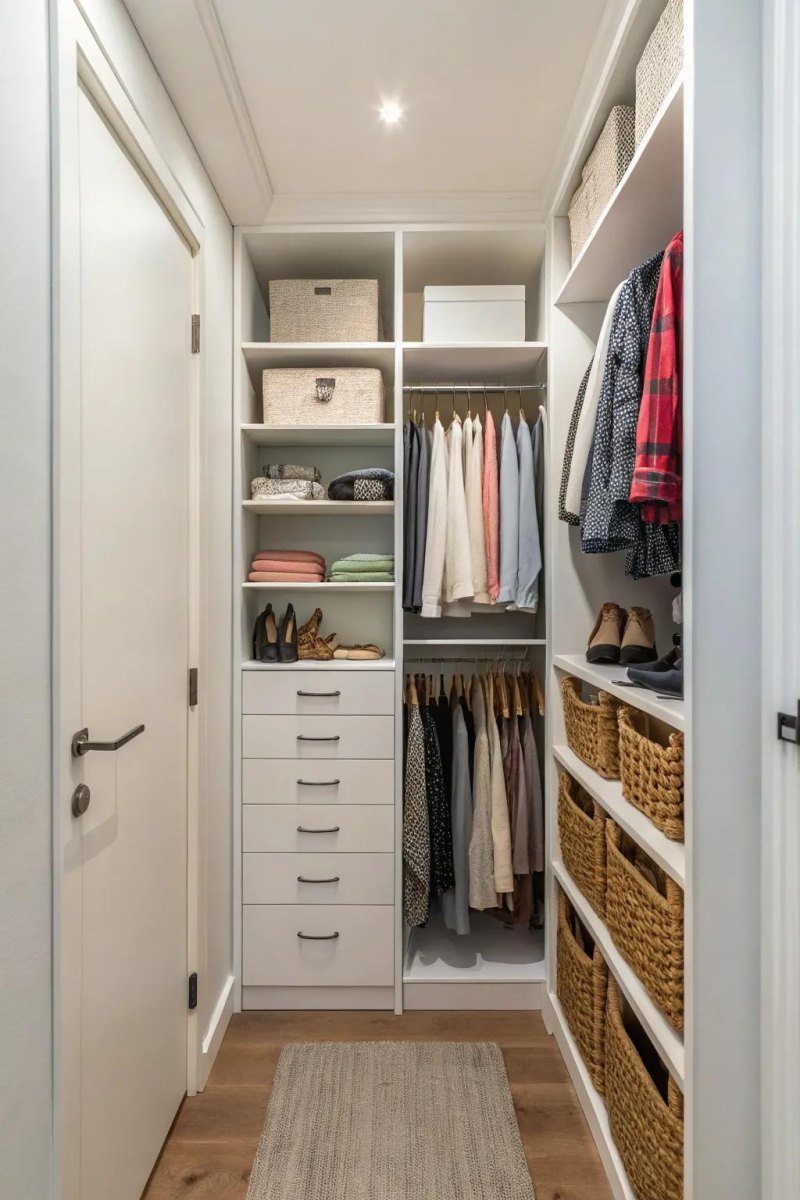
Tall shelving turns unused height into useful storage. Many small closets leave valuable space above eye level, and adding shelves or stacked storage can create room for folded clothing, bags, and boxes. The key is building a vertical storage system that keeps items easy to reach.
I recommend placing everyday pieces lower and reserving upper shelves for seasonal items or less frequently used belongings.
Quick setup
- Measure ceiling height before buying shelves.
- Use labeled containers on high shelves.
- Keep daily clothing within arm’s reach.
Add Slim Storage Bins and Baskets
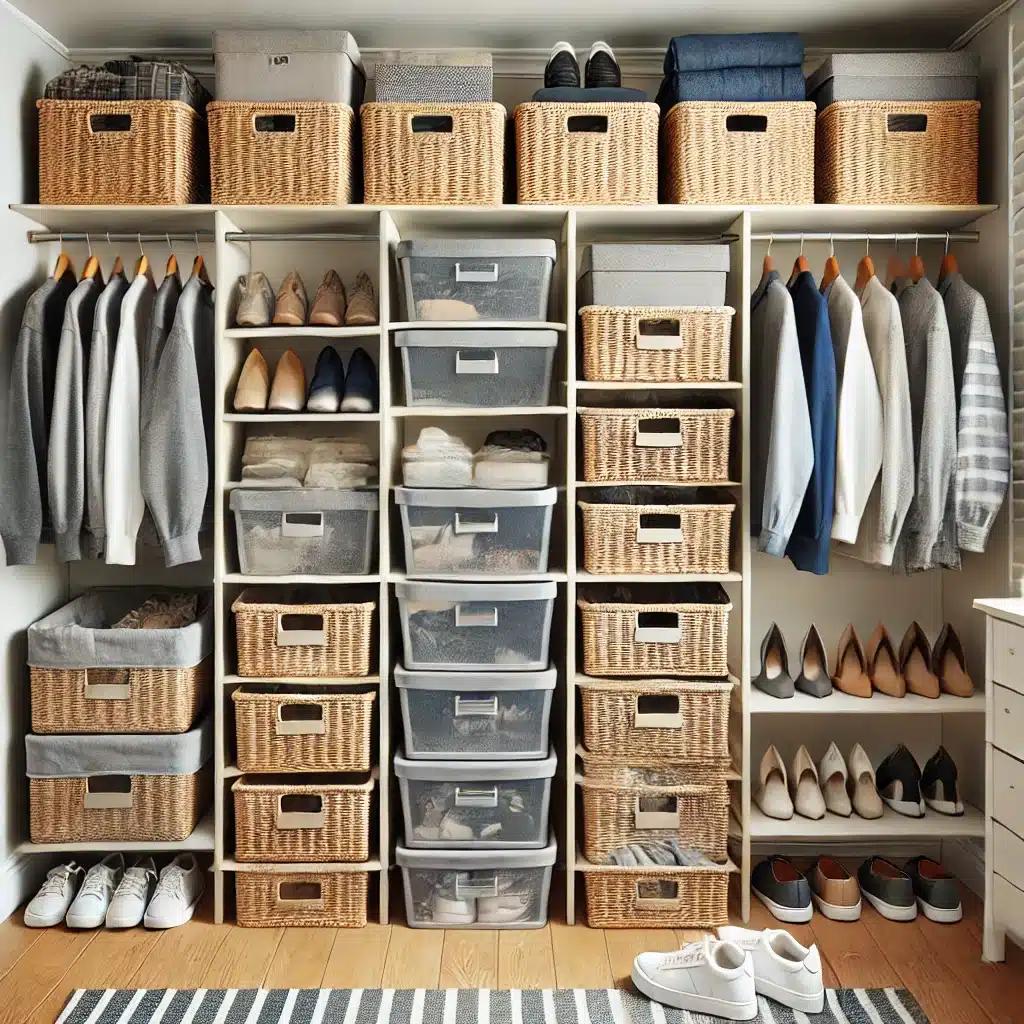
Bins and baskets help small closets feel controlled instead of crowded. Clear containers make it easier to identify contents, while fabric baskets create flexible zones for accessories, folded clothes, and small items. Slim storage bins are especially useful on narrow shelves where every inch matters.
I prefer grouping similar items together rather than creating too many categories. A simple system is easier to maintain over time.
Organization tip
Choose containers that fit your shelves first, then decide what belongs inside them. Storage that is too large often creates wasted space.
Install a Double Hanging Rod System
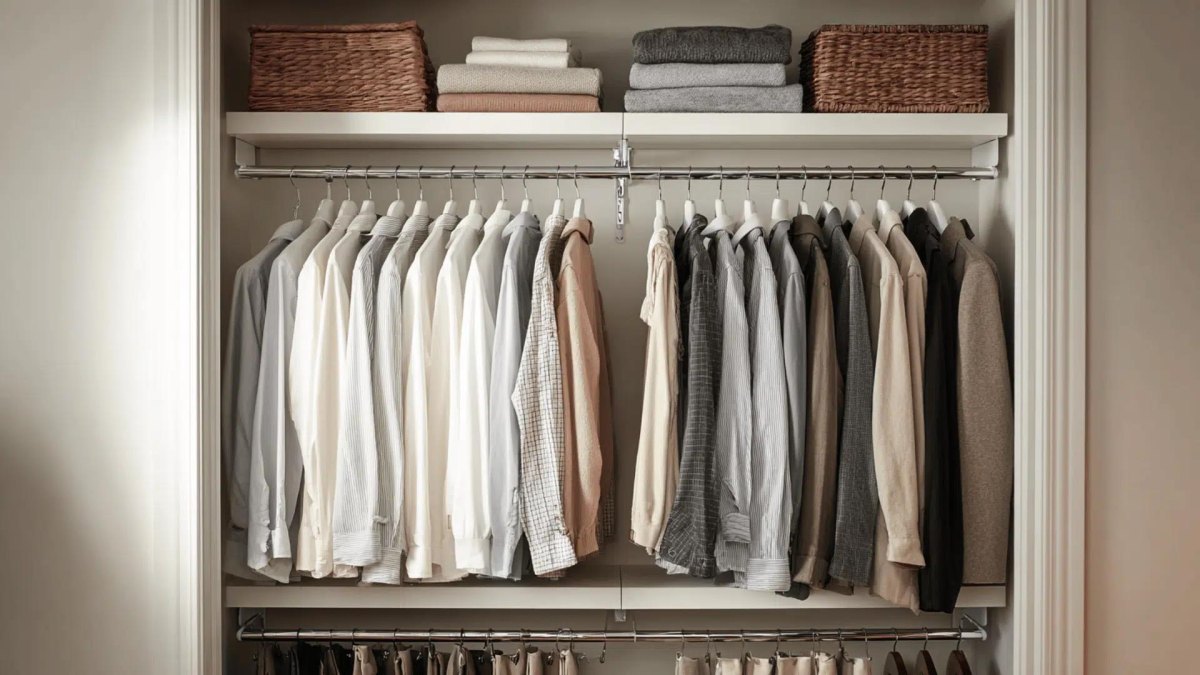
A double hanging rod system is one of the most efficient changes for a small closet because it uses unused vertical room. Two rods stacked at different heights can create much more hanging capacity without expanding the closet footprint.
This works best for shorter garments such as shirts, skirts, and jackets. Longer pieces like coats and dresses need their own section.
Organize Shoes With Space-Saving Racks
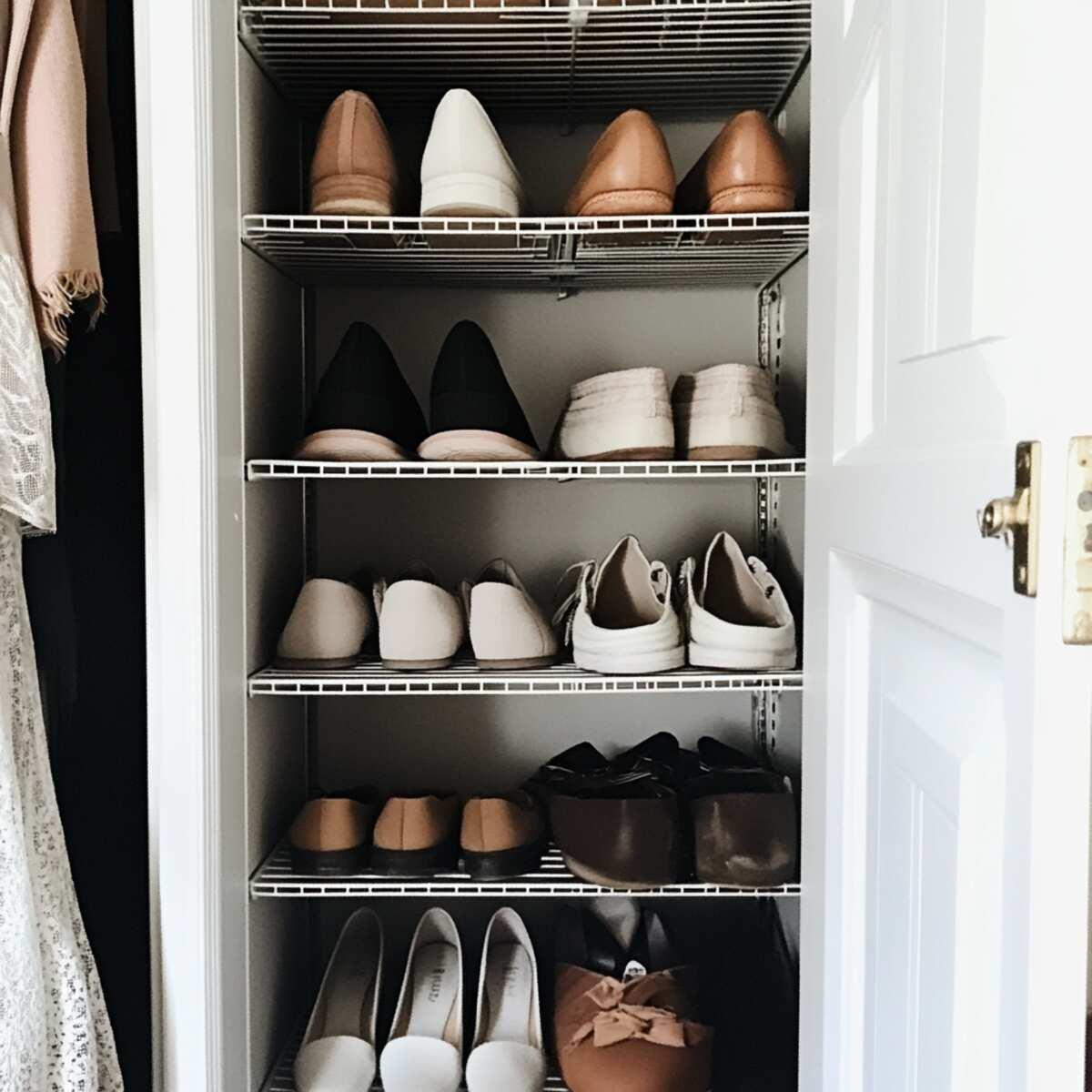
Shoes often consume valuable floor space, so compact racks, stackable shelves, and vertical organizers can make a noticeable difference. Small closets benefit from solutions that use narrow footprints while keeping pairs visible.
I find that the best shoe storage solution is the one matched to your actual collection. Measure your largest pair before choosing a rack.
| Storage option | Best use |
|---|---|
| Stackable rack | Growing shoe collections |
| Door organizer | Very limited floor space |
Use Door-Mounted Storage Solutions
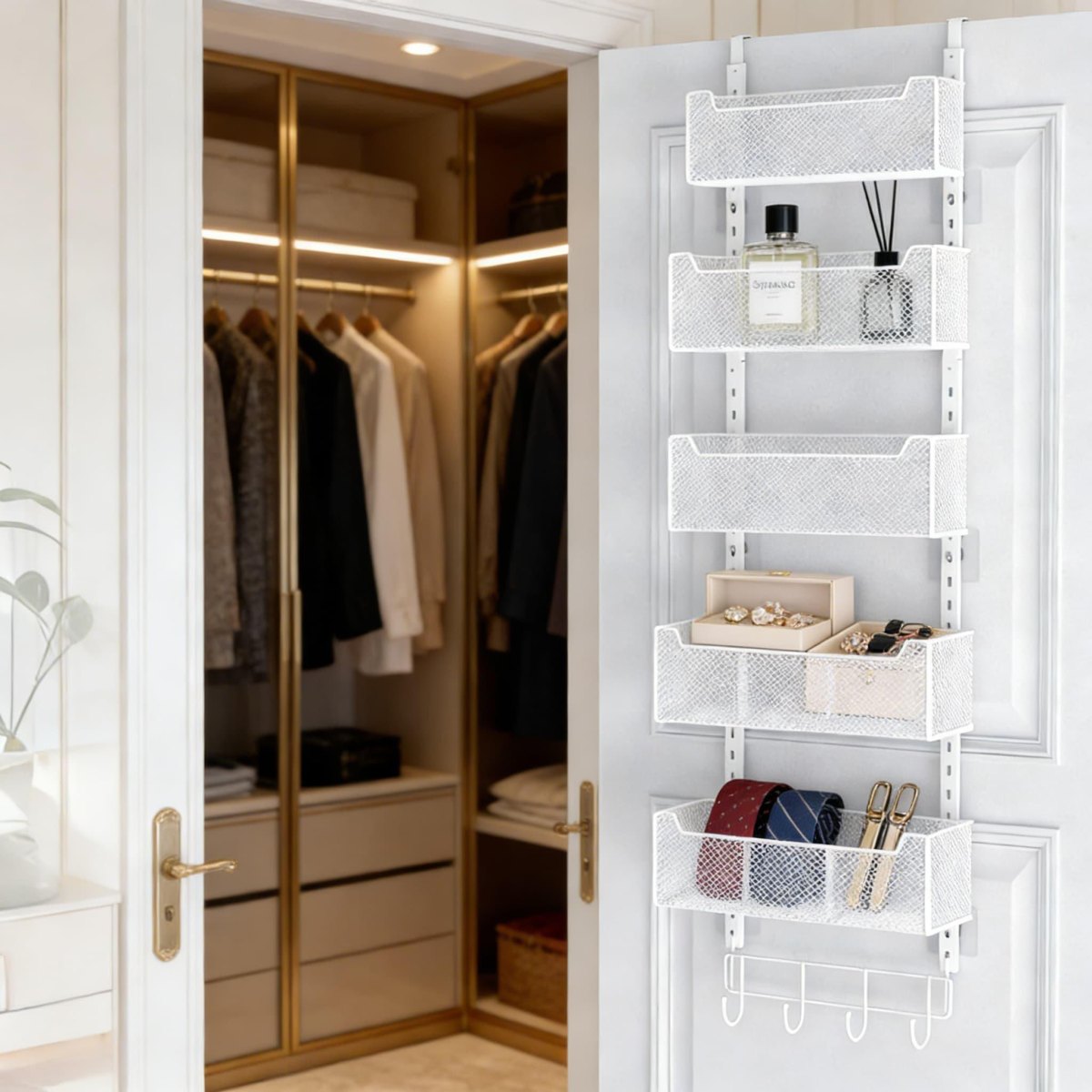
The back of a closet door is often forgotten storage space. Over-the-door organizers can hold accessories, shoes, scarves, and small items without taking away shelf or floor space.
This approach works especially well when a closet has limited depth because the storage stays outside the main clothing area. A door-mounted organizer can become a practical daily station.
Benefits
- Uses hidden space.
- Keeps small items visible.
Limitations
- Requires enough door clearance.
- May not suit heavy items.
Create Folded Clothing Zones With Dividers
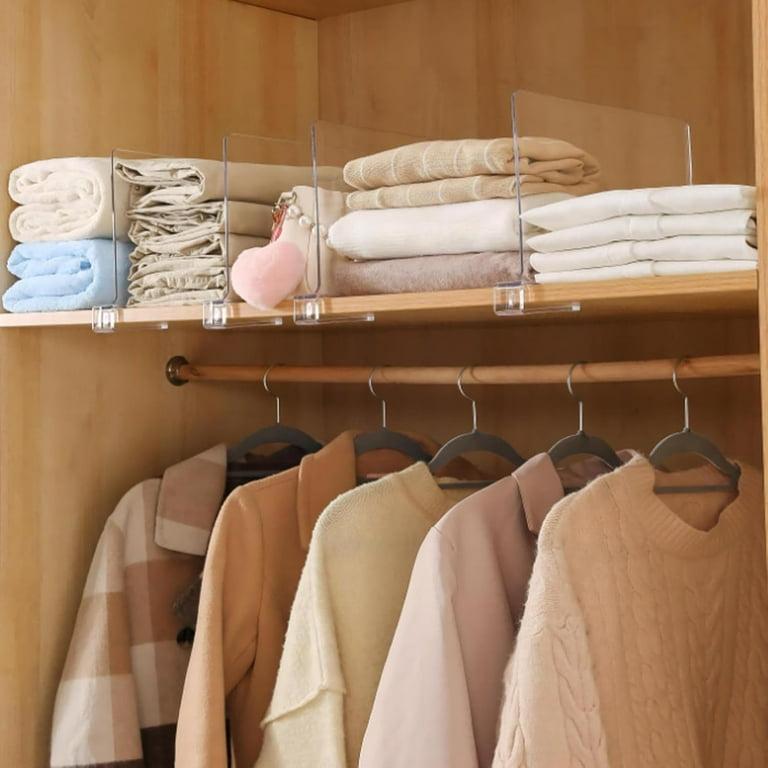
Folded clothing becomes easier to manage when shelves have clear zones. Shelf dividers, bins, or hanging shelves prevent stacks from becoming unstable and help separate categories.
I like assigning each section a purpose, such as sweaters, jeans, or workout clothing. A folded clothing zone reduces searching and keeps shelves functional.
Add Matching Hangers to Maximize Space
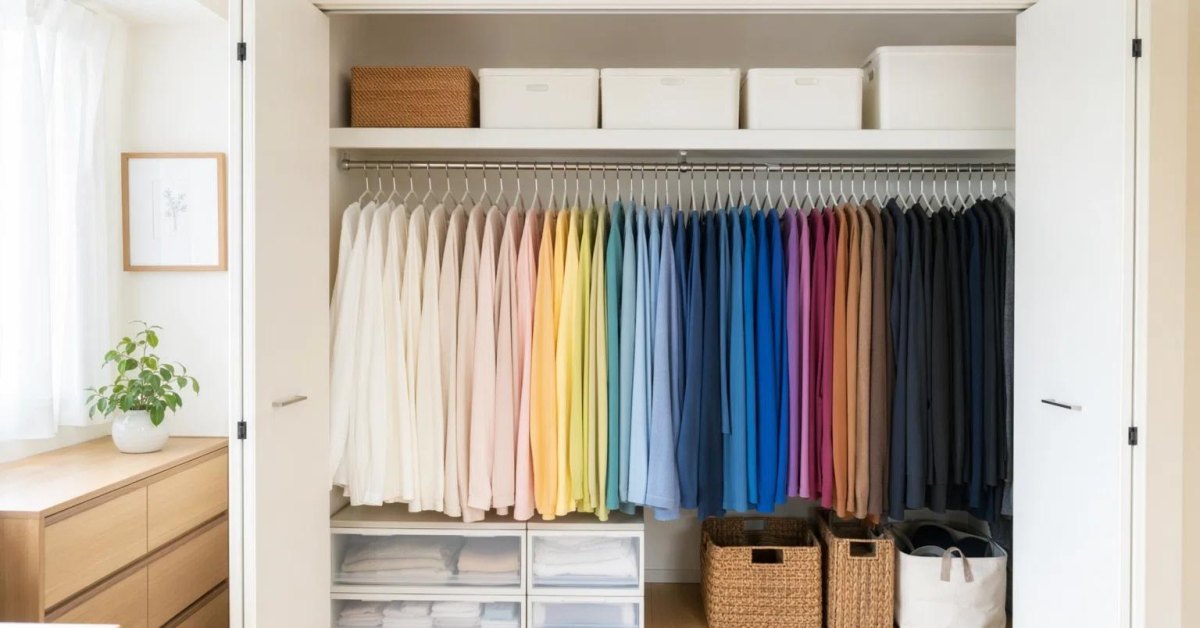
Replacing mixed hangers with slim matching versions can create a cleaner closet and free up rod space. Recent organization advice highlights slim, non-slip hangers as a simple way to improve capacity and visibility.
Uniform hangers also make it easier to see every garment. I consider this a small change with a large impact on closet efficiency.
1 upgrade
Slim matching hangers can improve the feel and function of a crowded closet.
Store Seasonal Items in Labeled Containers
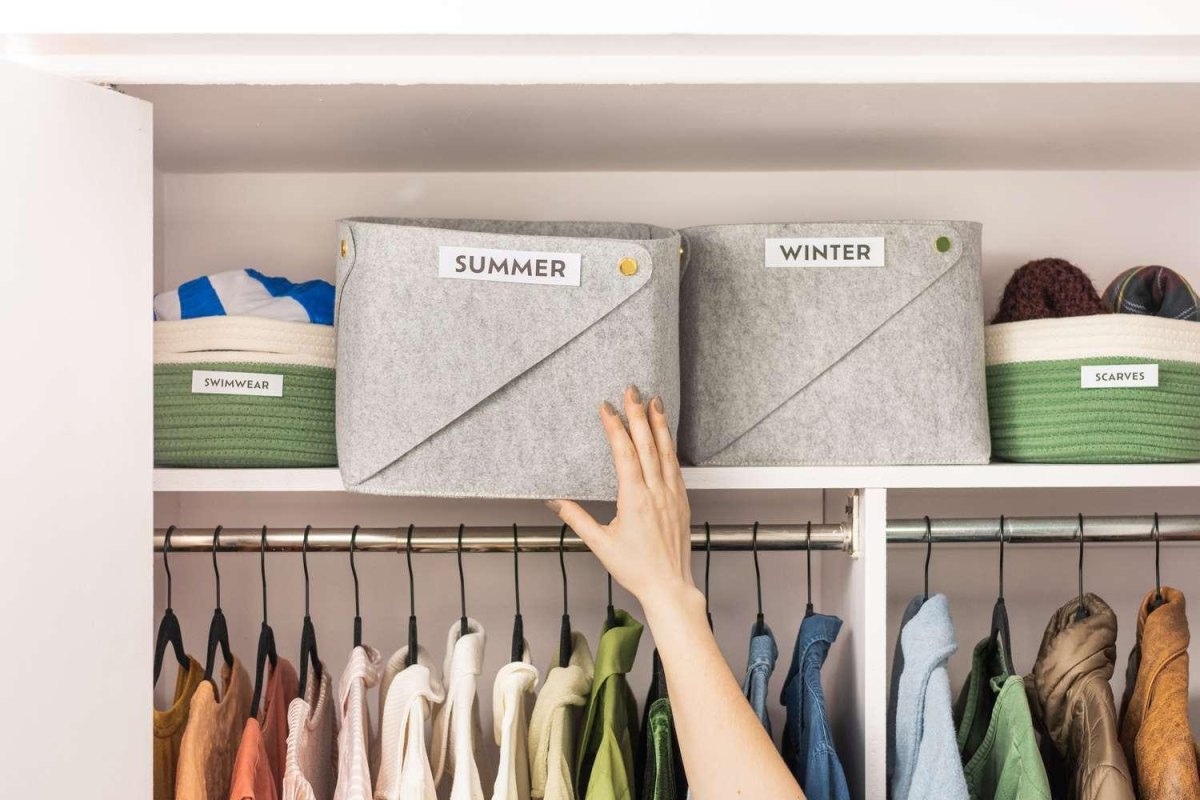
Seasonal clothing does not need prime closet space all year. Labeled containers keep winter coats, holiday pieces, or rarely used items organized while leaving daily clothing accessible.
Clear labels are useful because they reduce unnecessary searching. A simple seasonal storage system keeps rotation days quick and predictable.
Helpful note
Store only clean, dry clothing in containers to protect fabrics during longer storage periods.
Use Drawer Organizers for Accessories
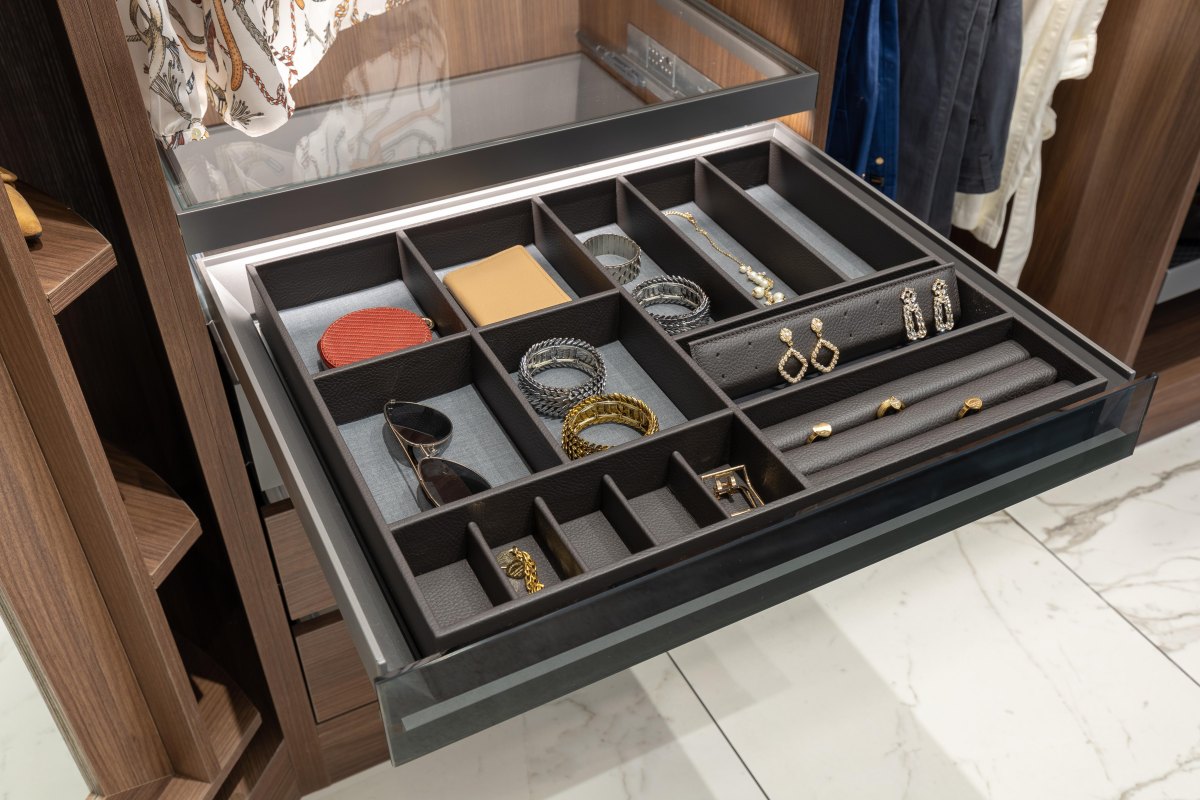
Small accessories are easy to lose inside deep drawers. Dividers and compartments create dedicated spaces for belts, jewelry, scarves, socks, and other small items. Drawer organizers are designed to separate categories and make items easier to find.
I recommend keeping frequently used accessories near the front. The goal is a visible accessory system, not a drawer full of hidden piles.
Create a Minimalist Capsule Closet Layout
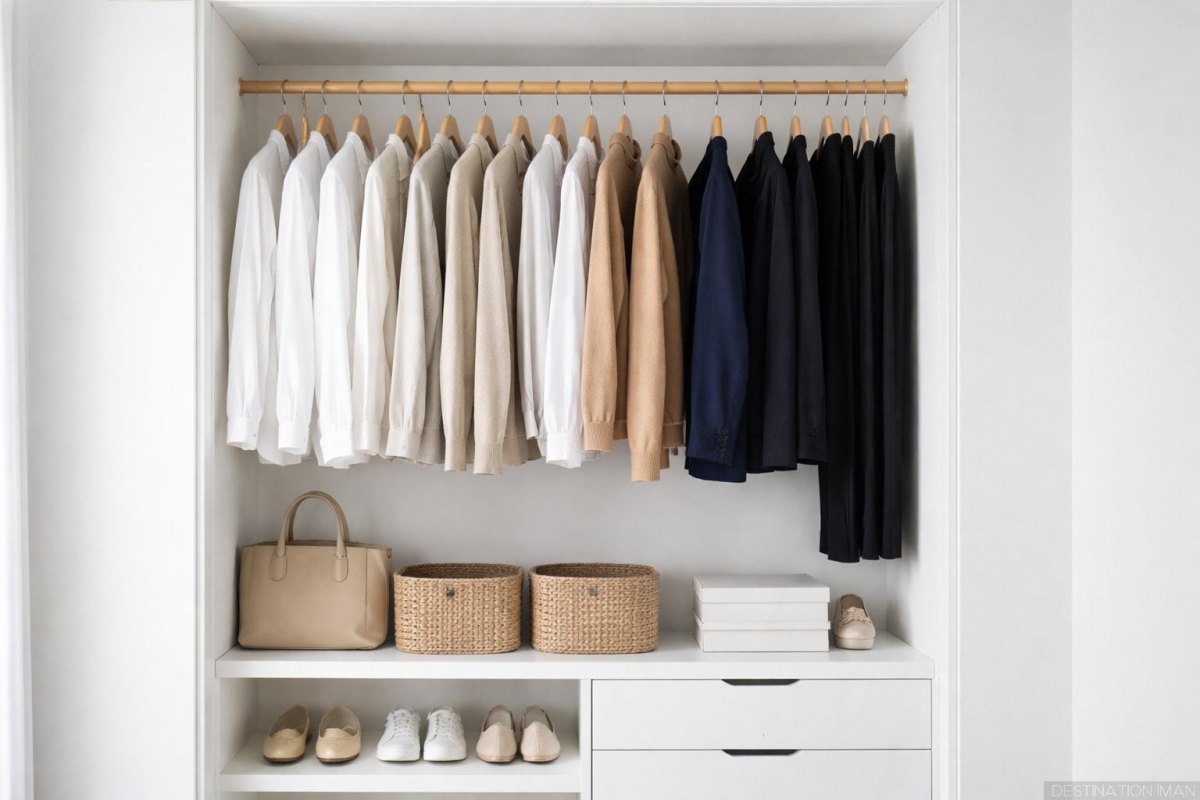
A minimalist closet layout focuses on keeping useful items accessible rather than filling every available space. A capsule approach works by reducing duplication and organizing clothing around what you actually wear.
I find that a capsule closet layout makes small spaces easier to maintain because each item has a clear role.
A smaller closet works best when storage choices match real daily habits.
Closet organization principleStart with your most-used pieces, then build storage around those needs instead of buying organizers first.

 Celebrity FashionCelebrity Casual Looks That Make Everyday Style Easier
 Celebrity HomesCelebrity Living Room Decor Ideas Inspired by Iconic Homes
 Celebrity Fashion15 Celebrity French Manicure Ideas for Your Next Nail Appointment
 Celebrity WeddingsIconic Celebrity Weddings That Defined Modern Pop Culture