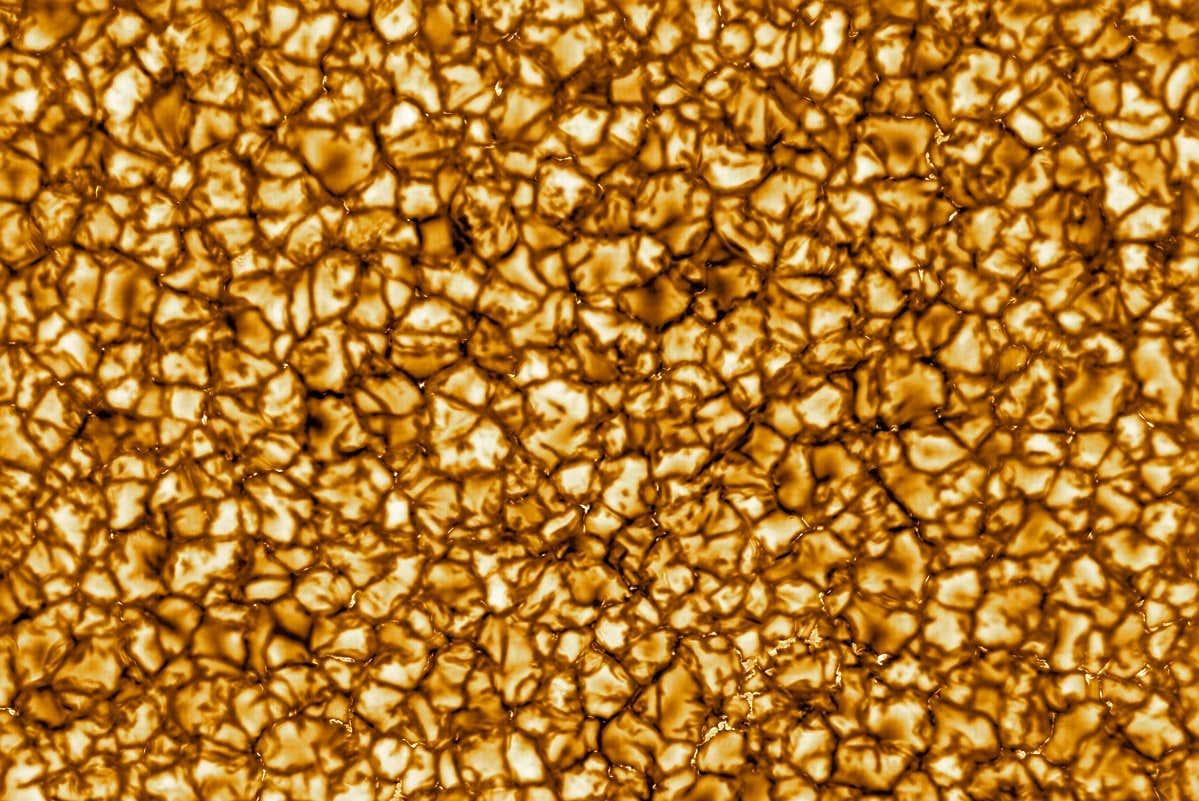
I use this stars sizes ranking to compare stellar radii, not brightness or mass alone. Star sizes are estimates because many giant stars have extended atmospheres rather than sharp surfaces.
Quick summary
- The largest known candidates are usually red supergiants.
- Mass and radius are different measurements.
The Sun: The Largest Star in Our Solar System
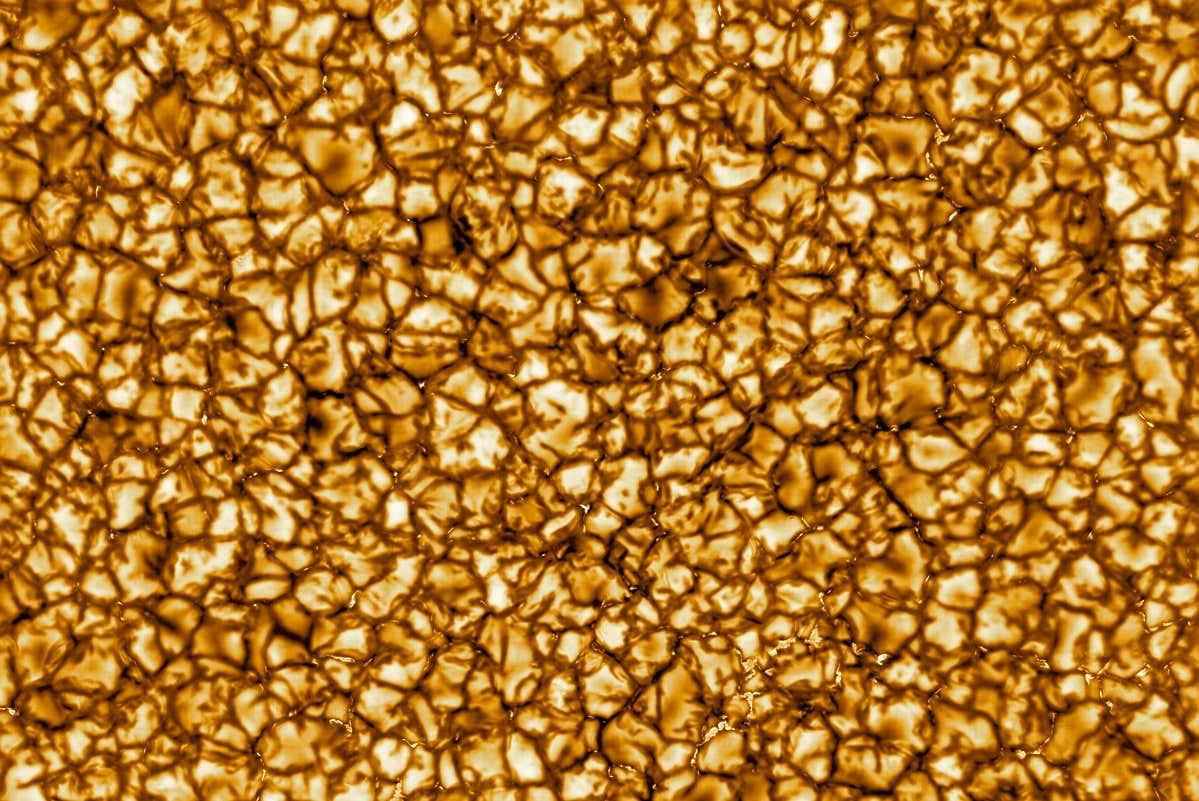
The Sun has a radius of about 700,000 km (435,000 miles), or about 109 times Earth’s radius. It is the reference point for most stellar size comparisons.
UY Scuti: One of the Largest Known Stars
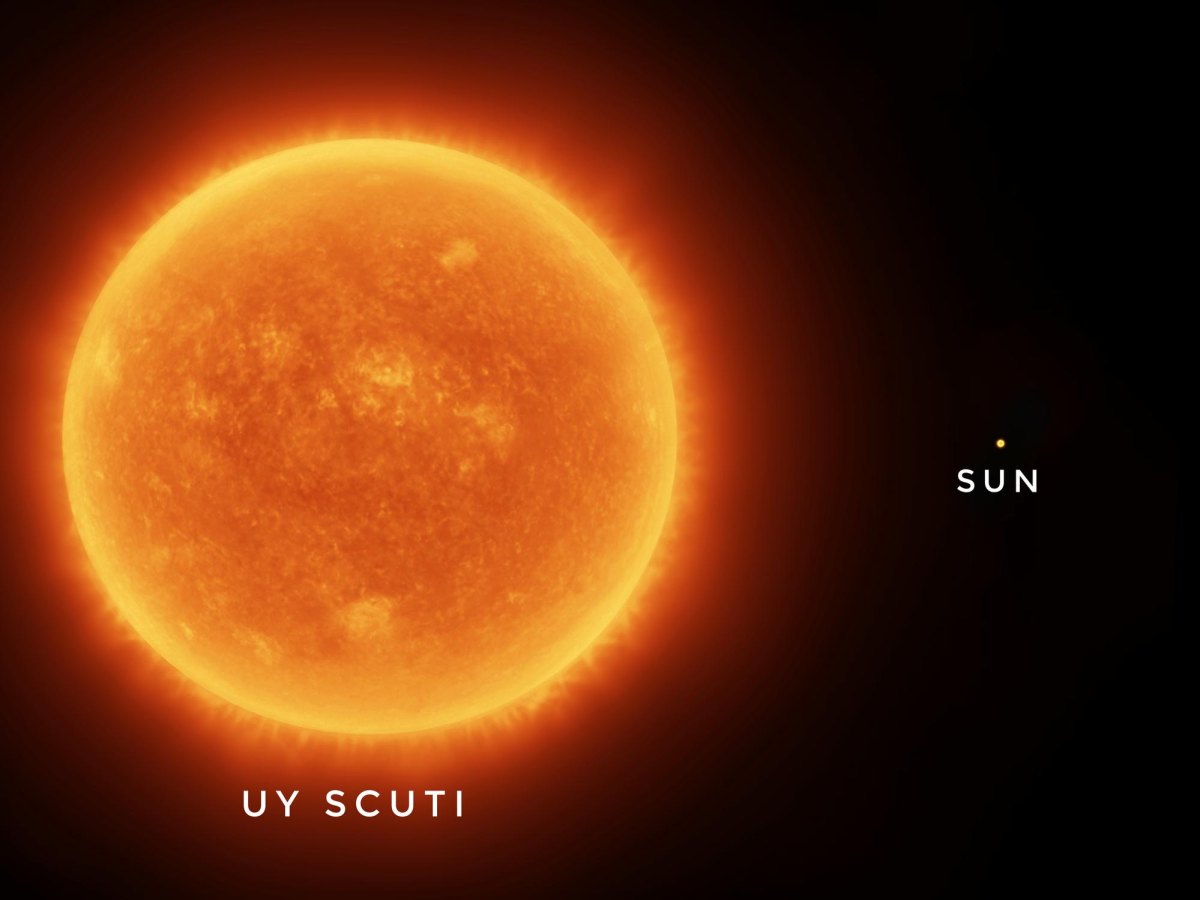
UY Scuti is a red supergiant often included among the largest known stars. Its radius estimates have changed as distance measurements improved, showing why stellar size rankings change.
Stephenson 2-18: A Giant Red Supergiant
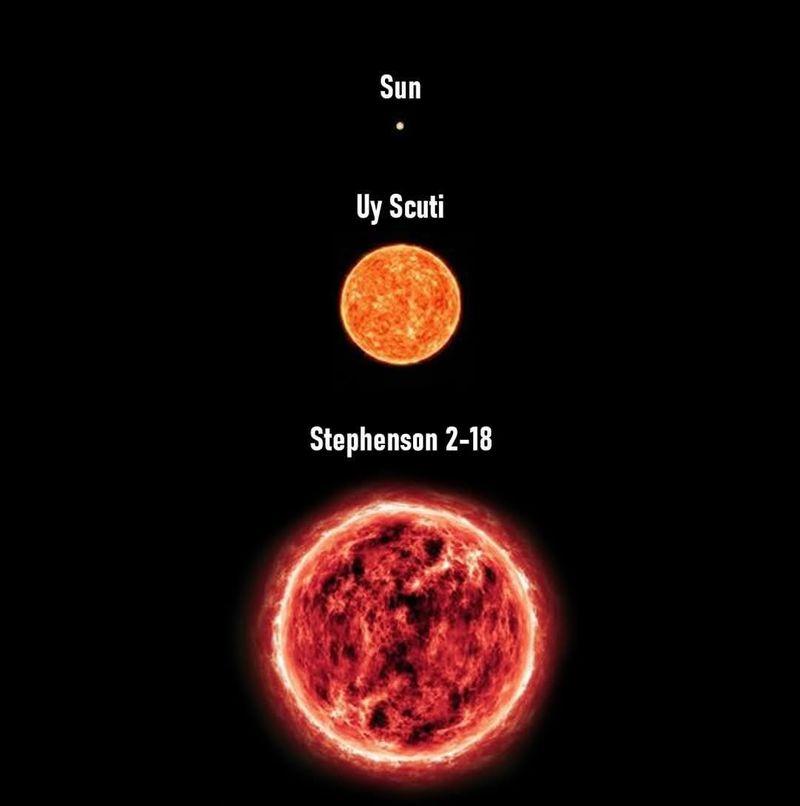
Stephenson 2-18 is one of the leading candidates for the largest known star by radius, with estimates reaching around thousands of solar radii.
VY Canis Majoris: A Massive Stellar Behemoth
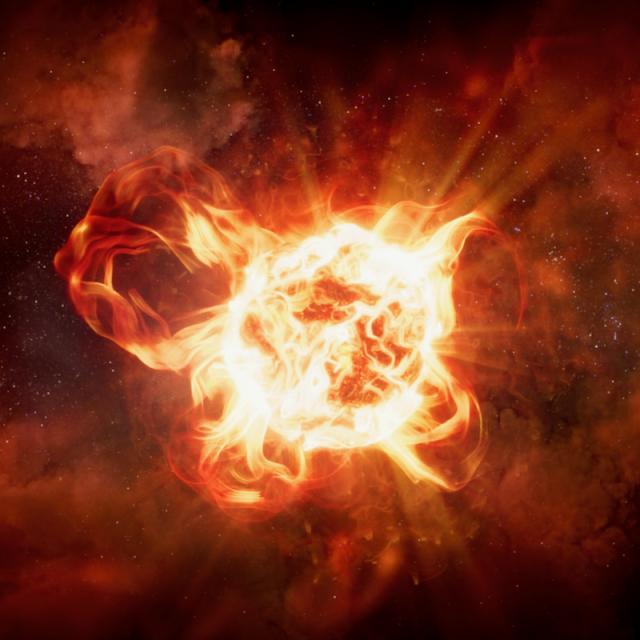
VY Canis Majoris is a red hypergiant with a very large estimated radius. Measurements remain difficult because of its complex outer layers and expanding stellar envelope.
Betelgeuse: The Famous Red Supergiant
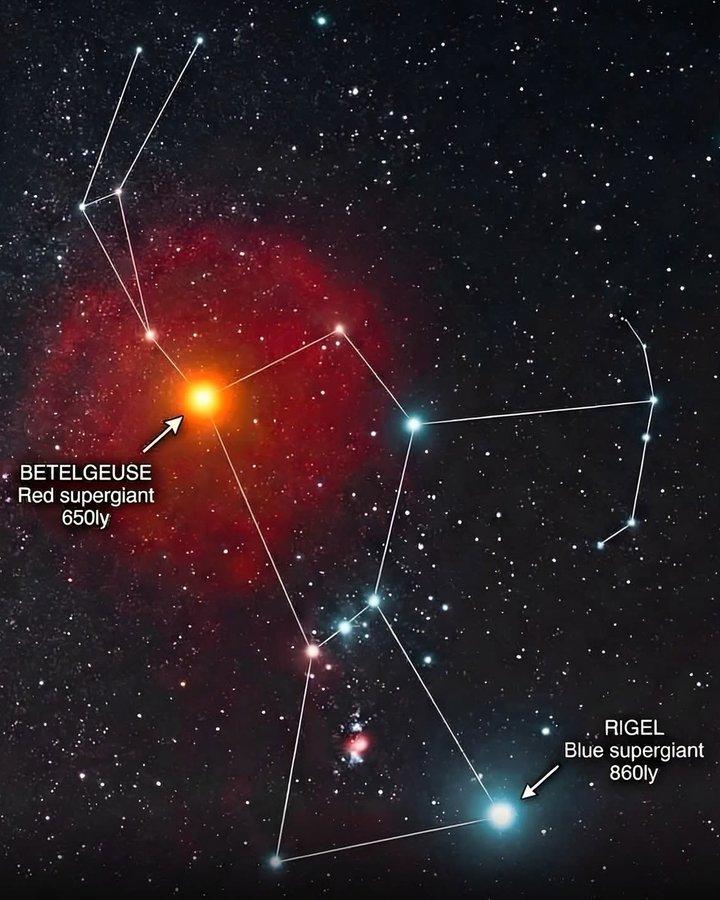
Betelgeuse is a red supergiant in Orion. Its size estimates vary, but it remains one of the best studied examples of a large evolved star.
Antares: The Heart of Scorpius
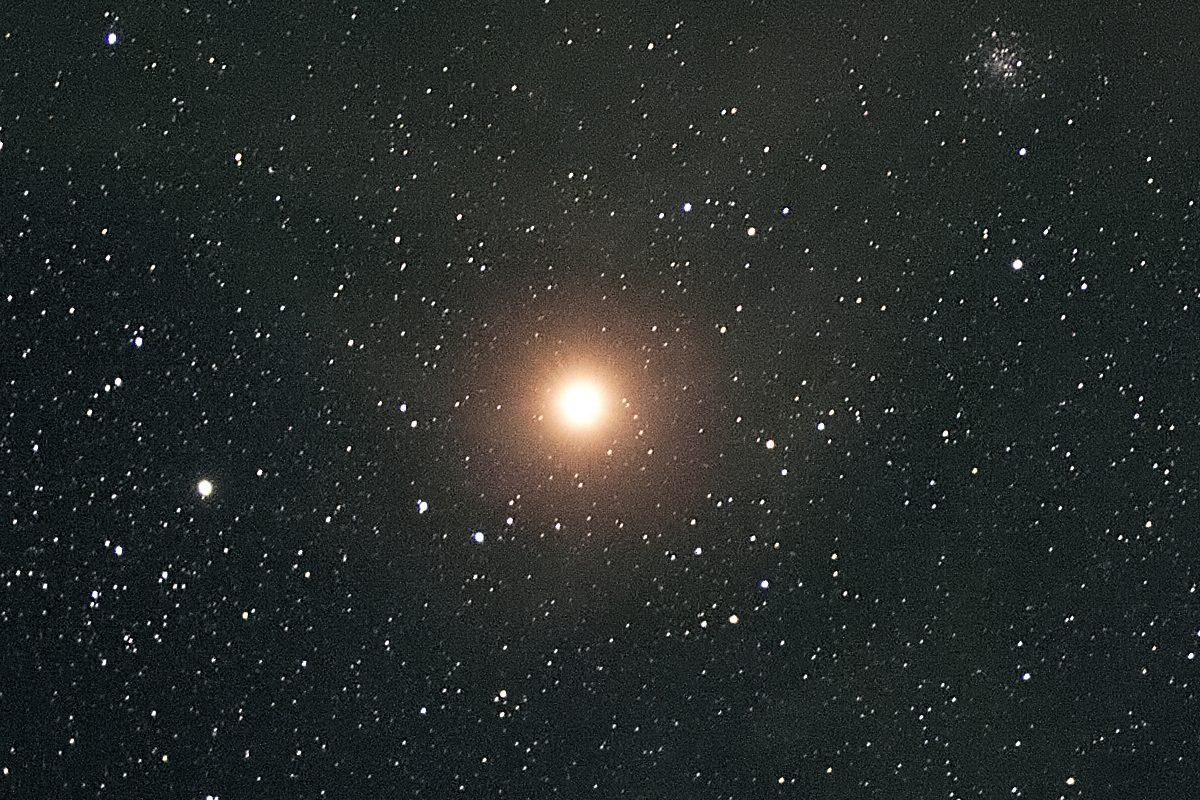
Antares is a red supergiant in Scorpius. Its estimated radius places it among the very large stars visible in the night sky, although exact values depend on measurements.
Rigel: A Blue Supergiant Star
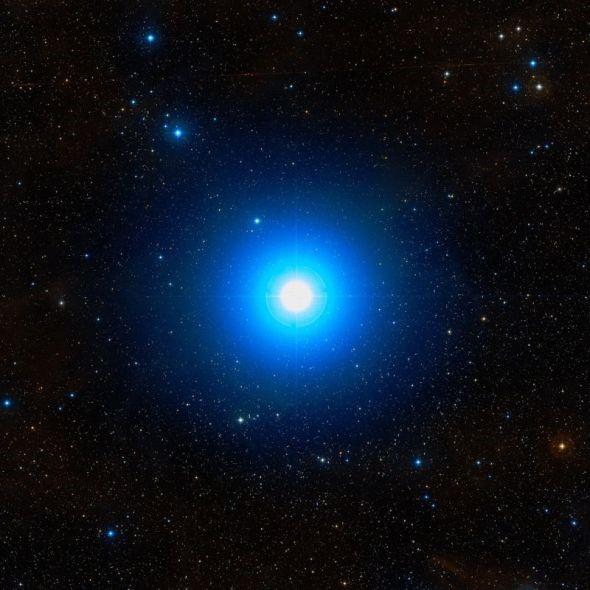
Rigel shows that enormous stars are not only red. This blue supergiant has a radius many times larger than the Sun and a very high luminosity.
Aldebaran: The Orange Giant Star
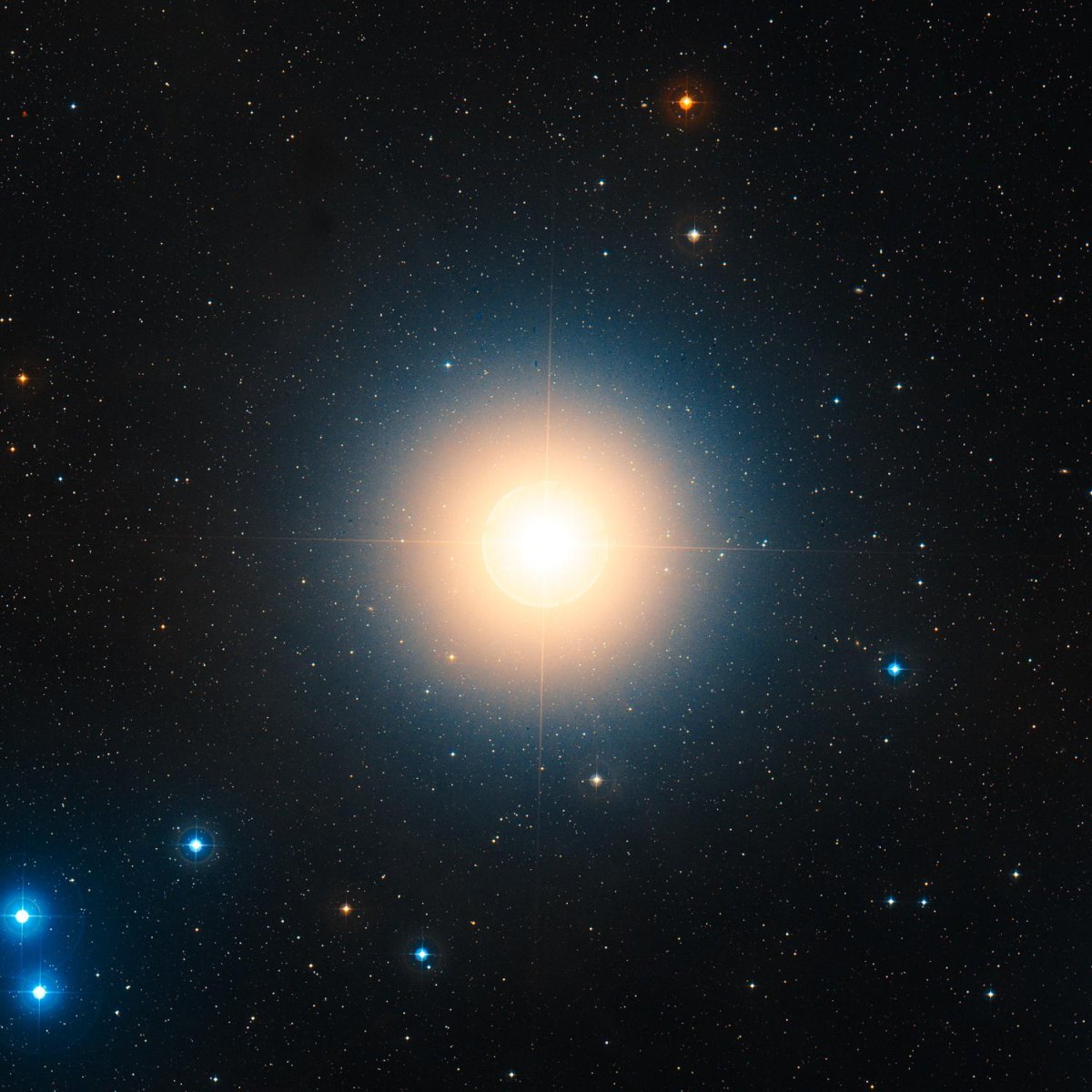
Aldebaran is an orange giant star whose expanded radius reflects its later stage of stellar evolution. It is smaller than the largest supergiants but much larger than the Sun.
Polaris: The North Star and Its Size
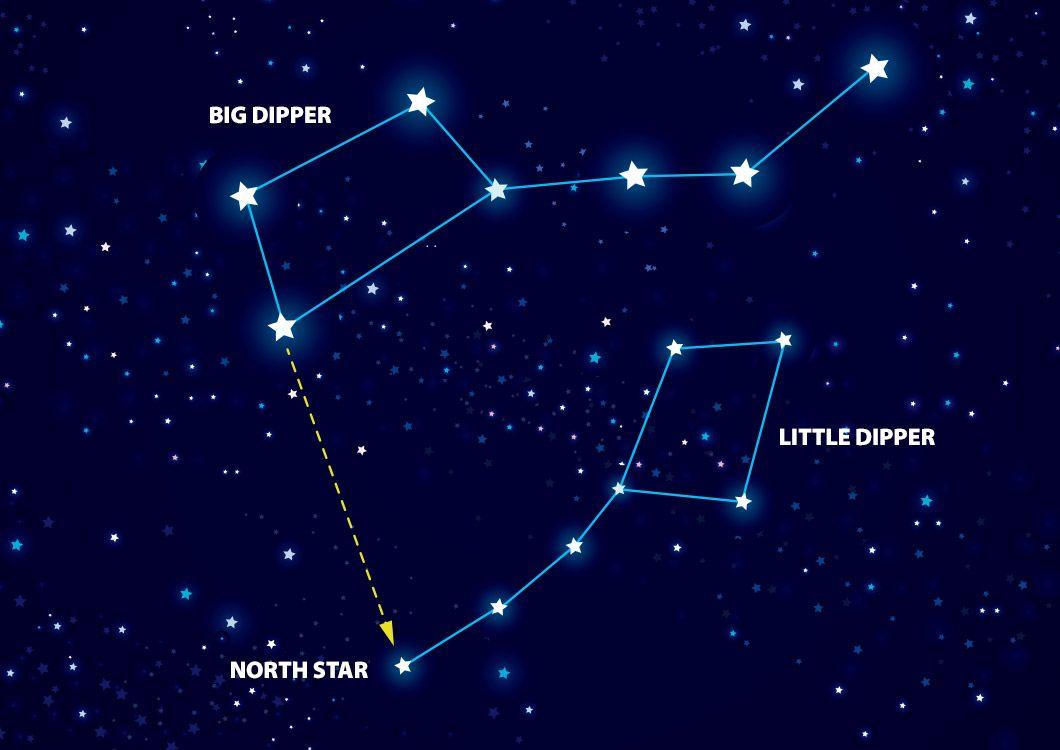
Polaris is a multiple-star system with a prominent supergiant primary. Its size estimates depend on the adopted distance and stellar model.
Sirius: The Brightest Star in the Night Sky
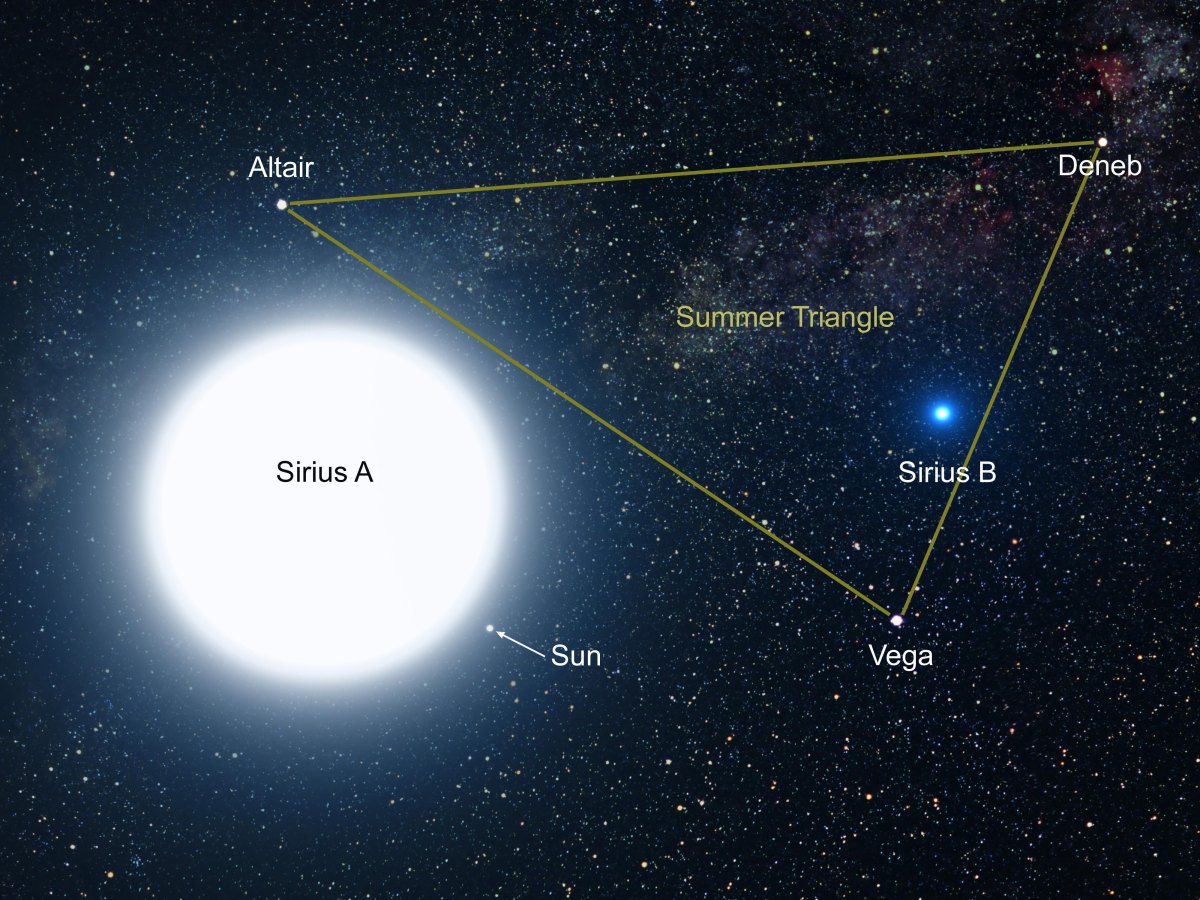
Sirius appears bright because of its distance and luminosity, but its radius is modest compared with red supergiants. Brightness and physical size are separate facts.
Vega: A Rapidly Rotating Blue-White Star
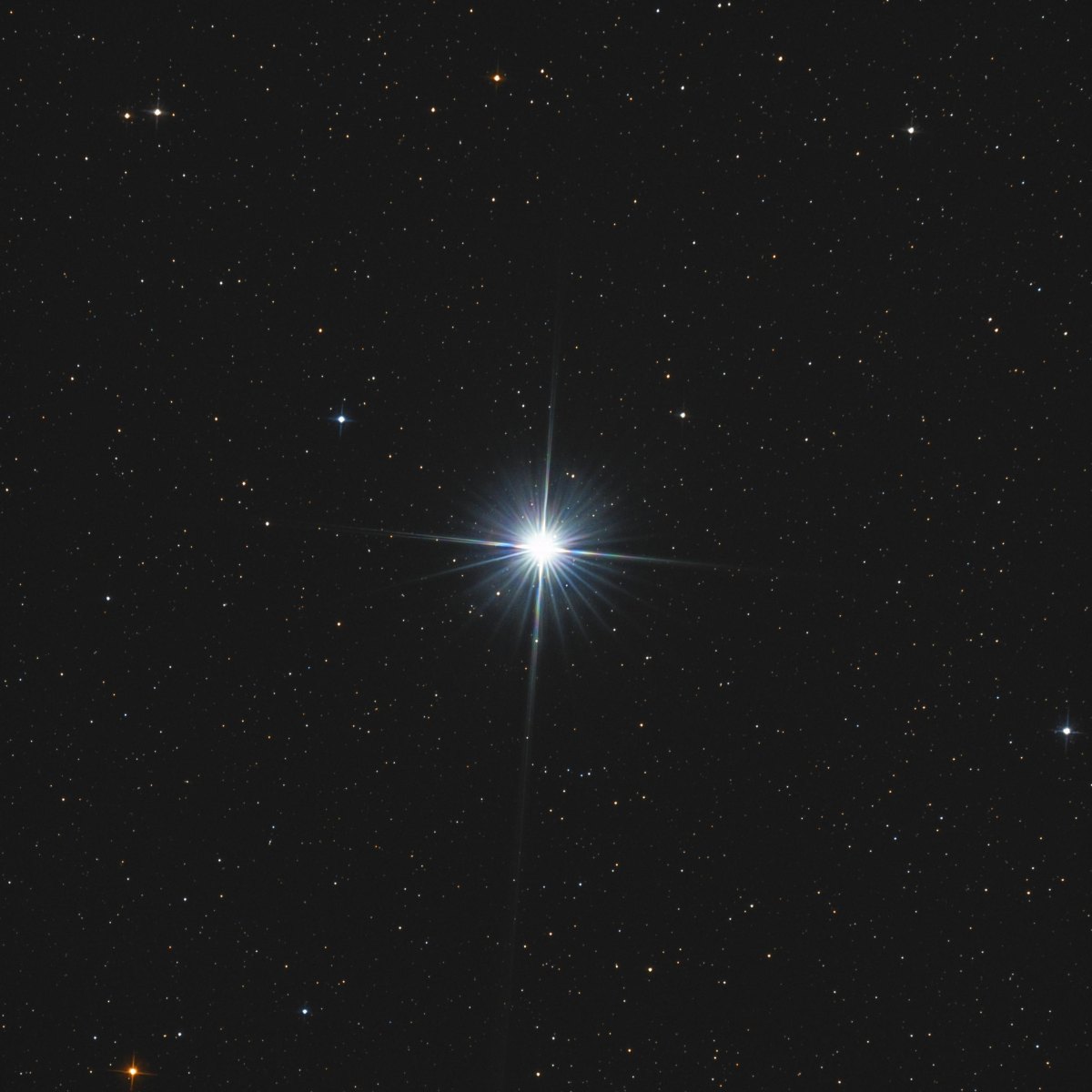
Vega is a blue-white main-sequence star. Its rapid rotation affects measurements of its shape and temperature.
Proxima Centauri: The Closest Star to the Sun
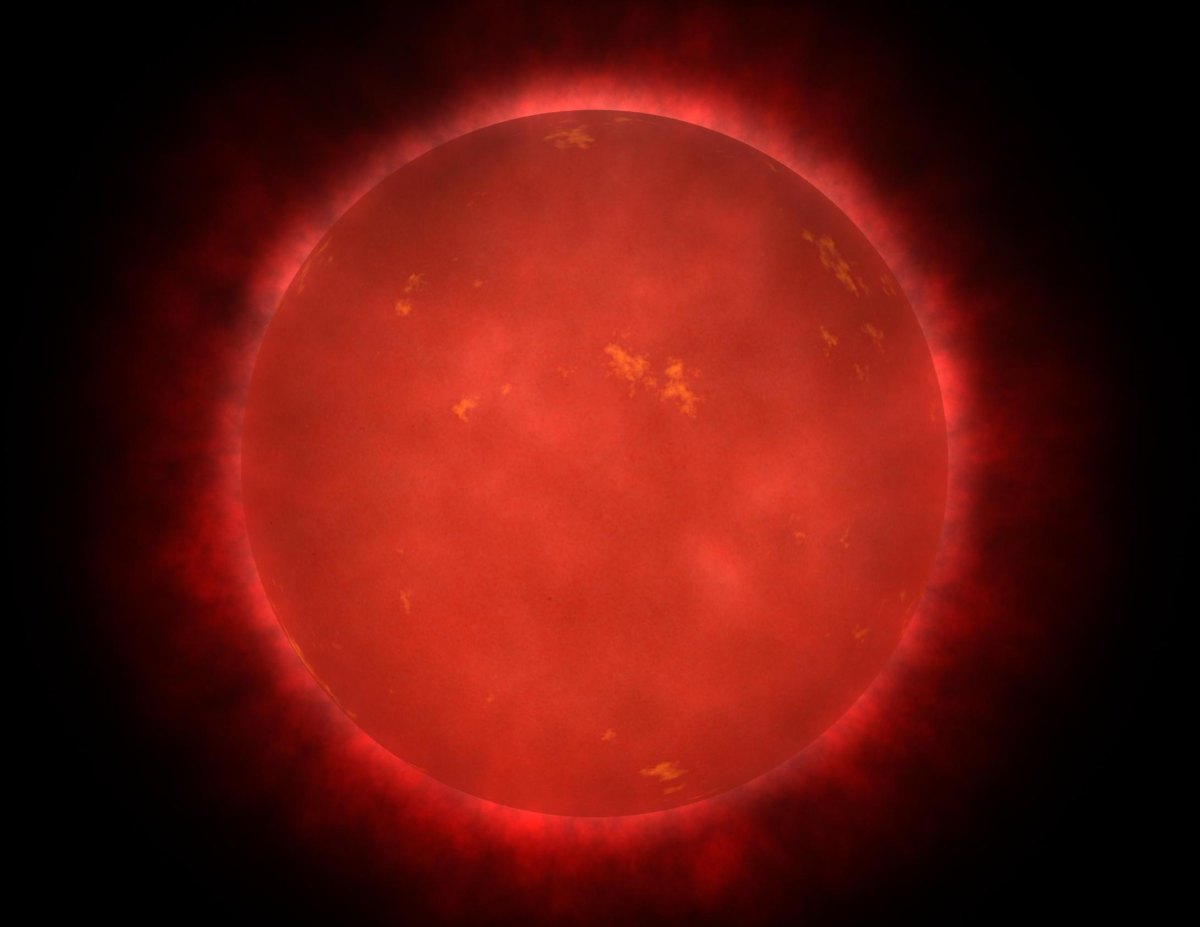
Proxima Centauri is a red dwarf only 4.24 light-years away. Despite its closeness, it is far smaller than giant stars and has a compact stellar radius.
Alpha Centauri A: A Sun-Like Giant
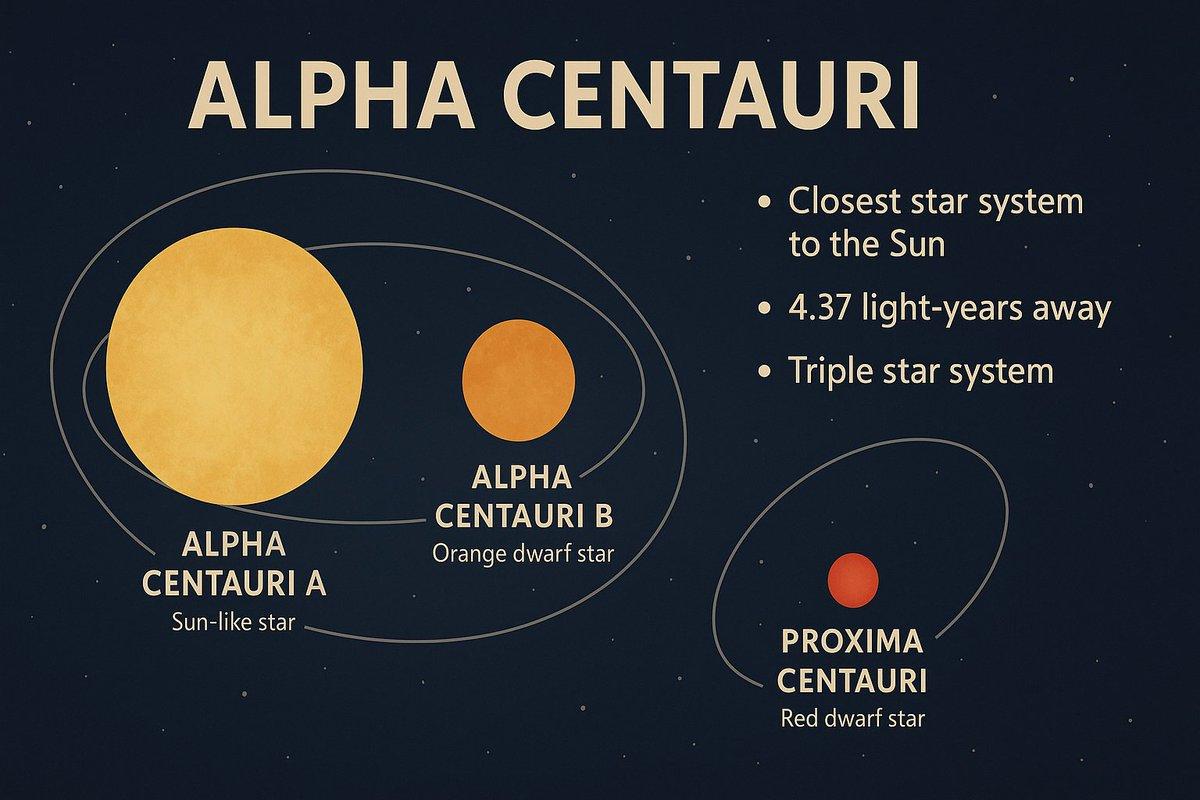
Alpha Centauri A is a Sun-like star in our nearest neighboring system. Its size is close to solar proportions rather than giant-star dimensions.
Wolf-Rayet Stars: Extreme Stellar Giants
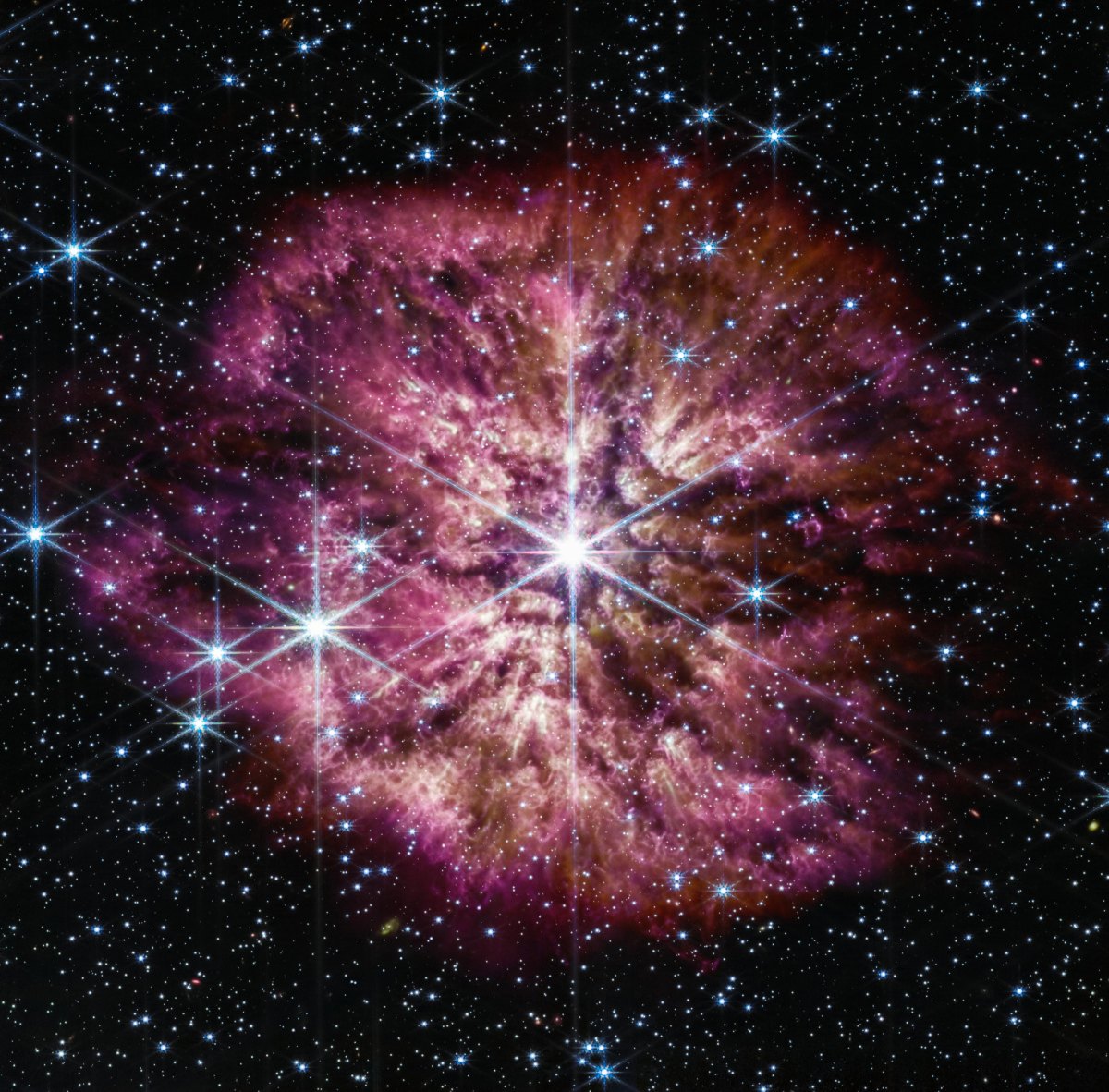
Wolf-Rayet stars can be extremely massive and luminous, but many have smaller radii than red supergiants because their outer layers have been lost. Mass does not equal radius.
Eta Carinae: A Hypergiant Star System
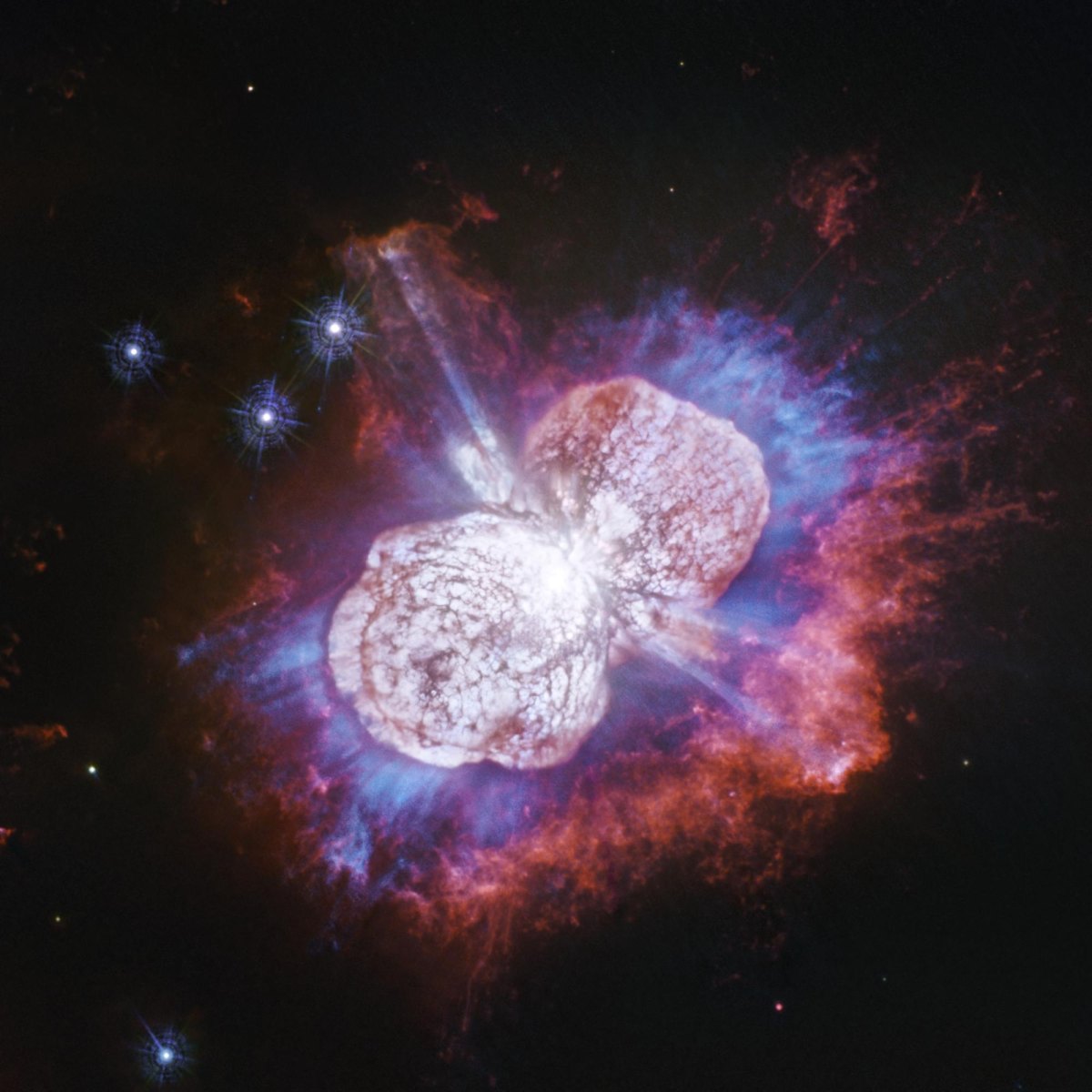
Eta Carinae is a massive binary system containing one of the Milky Way’s most massive known stars. It is surrounded by the Homunculus Nebula.
R136a1: Among the Most Massive Stars
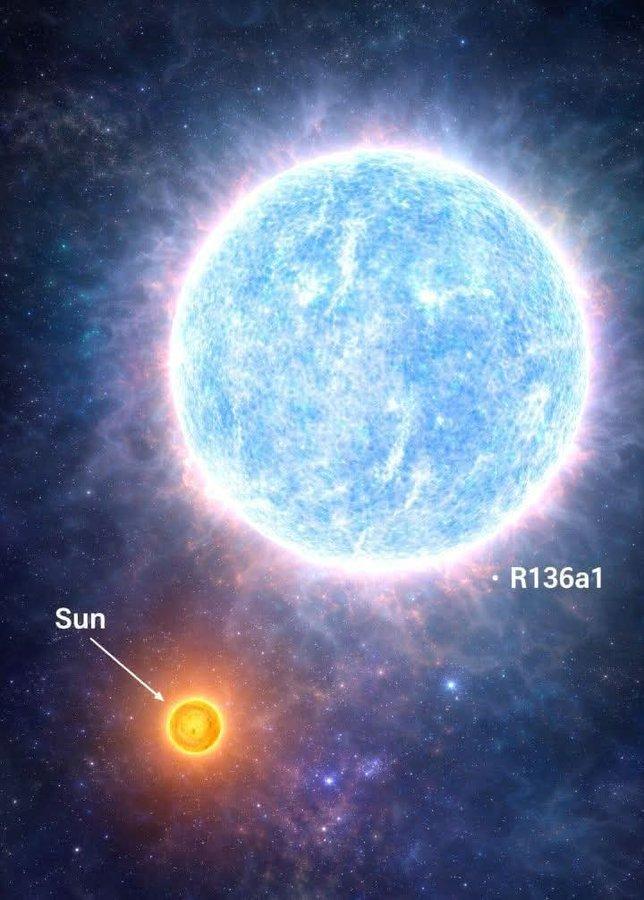
R136a1 is among the most massive and luminous known stars, with estimates near hundreds of solar masses. Its radius is much smaller than many red supergiants.
196+
estimated solar masses in some studies
Mu Cephei: The Garnet Star
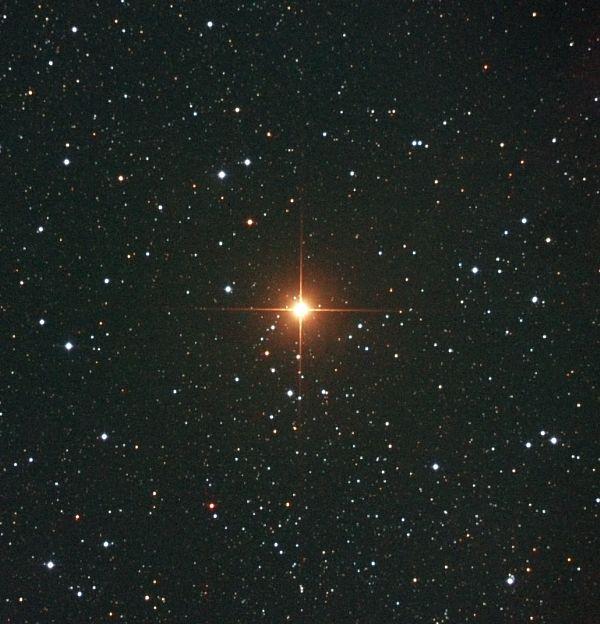
Mu Cephei is a red supergiant famous for its deep color. Like other giant stars, its radius remains an estimated measurement rather than a simple physical edge.
Arcturus: A Giant Star in Boötes
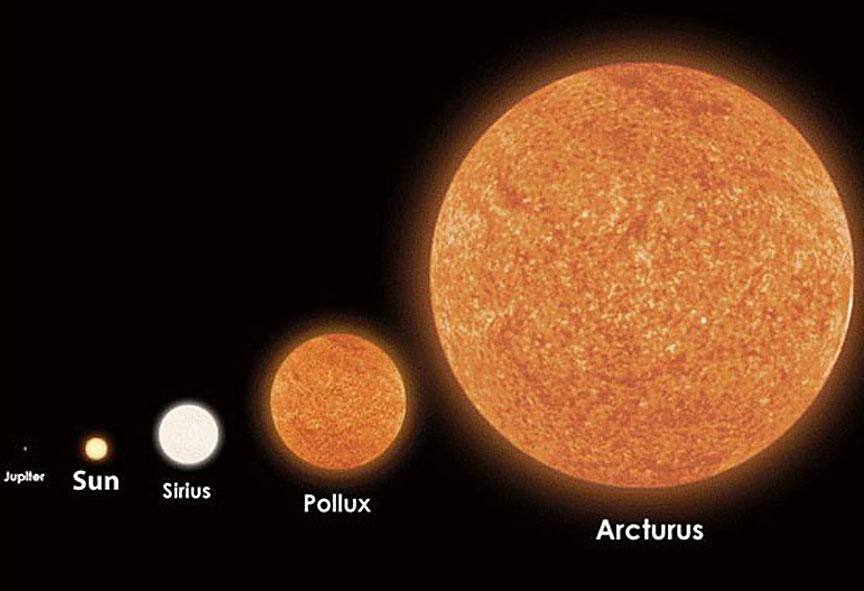
Arcturus is an orange giant with a radius much larger than the Sun. It provides a useful example of how stars expand after leaving the main sequence.
Deneb: A Huge Blue-White Supergiant
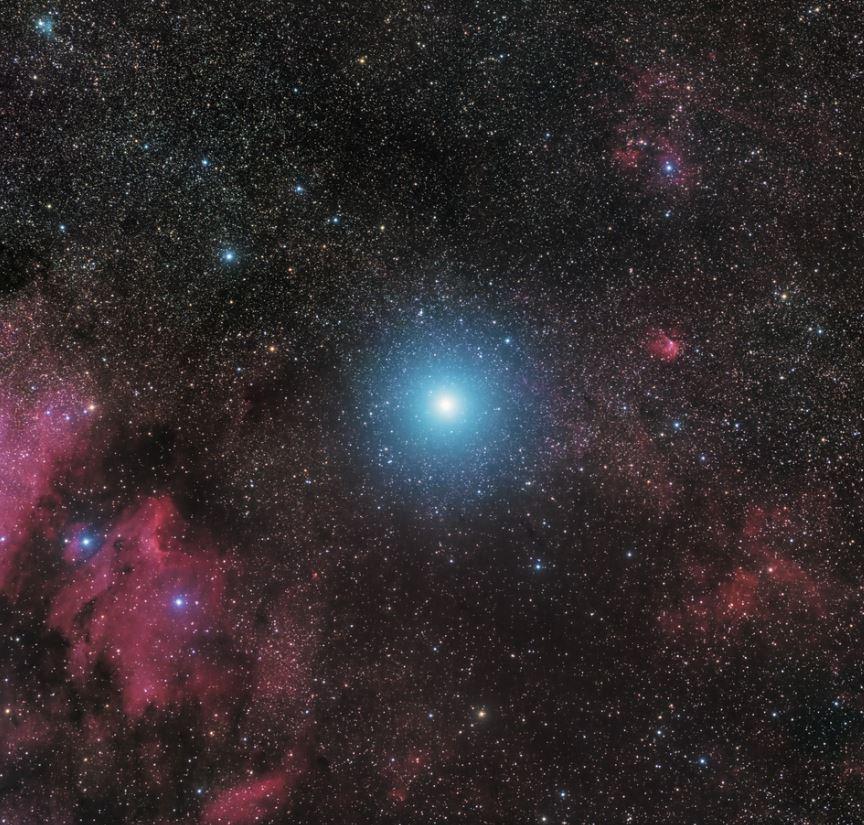
Deneb is a blue-white supergiant and one of the most luminous stars visible from Earth. Its estimated radius places it among large stellar objects.
Star Size Comparison Chart: From Dwarfs to Hypergiants
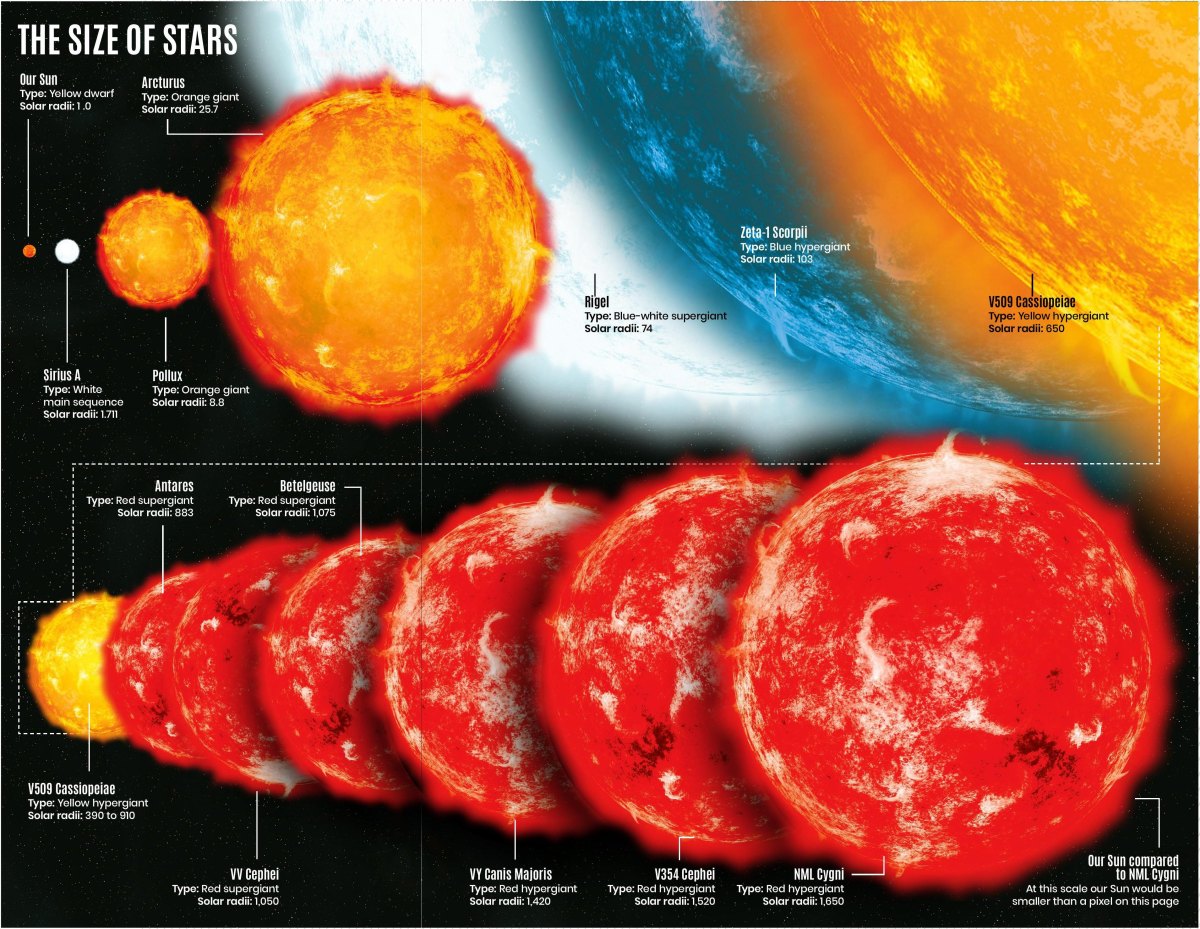
A size chart shows the enormous range from small red dwarfs to hypergiants such as Stephenson 2-18. I treat these rankings as measurement snapshots because new data can revise estimates.
| Star type | Typical comparison |
|---|---|
| Red dwarf | Smaller than Sun |
| Sun-like star | Reference size |
| Red supergiant | Hundreds to thousands of solar radii |