I approach height styling as a question of clothing proportions, not a set of strict rules. The most useful adjustments usually come from waist placement, garment length, and how pieces work together visually. Fashion guides increasingly focus on proportion rather than fixed categories because two people with the same height can need different fits.
This guide breaks down six common height and proportion approaches, with practical ideas for choosing clothes that feel balanced and comfortable.
Dressing for a Petite Height Type
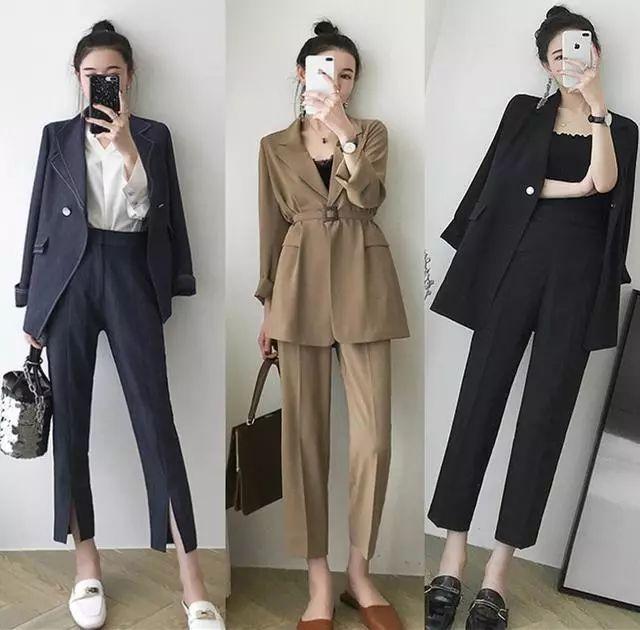
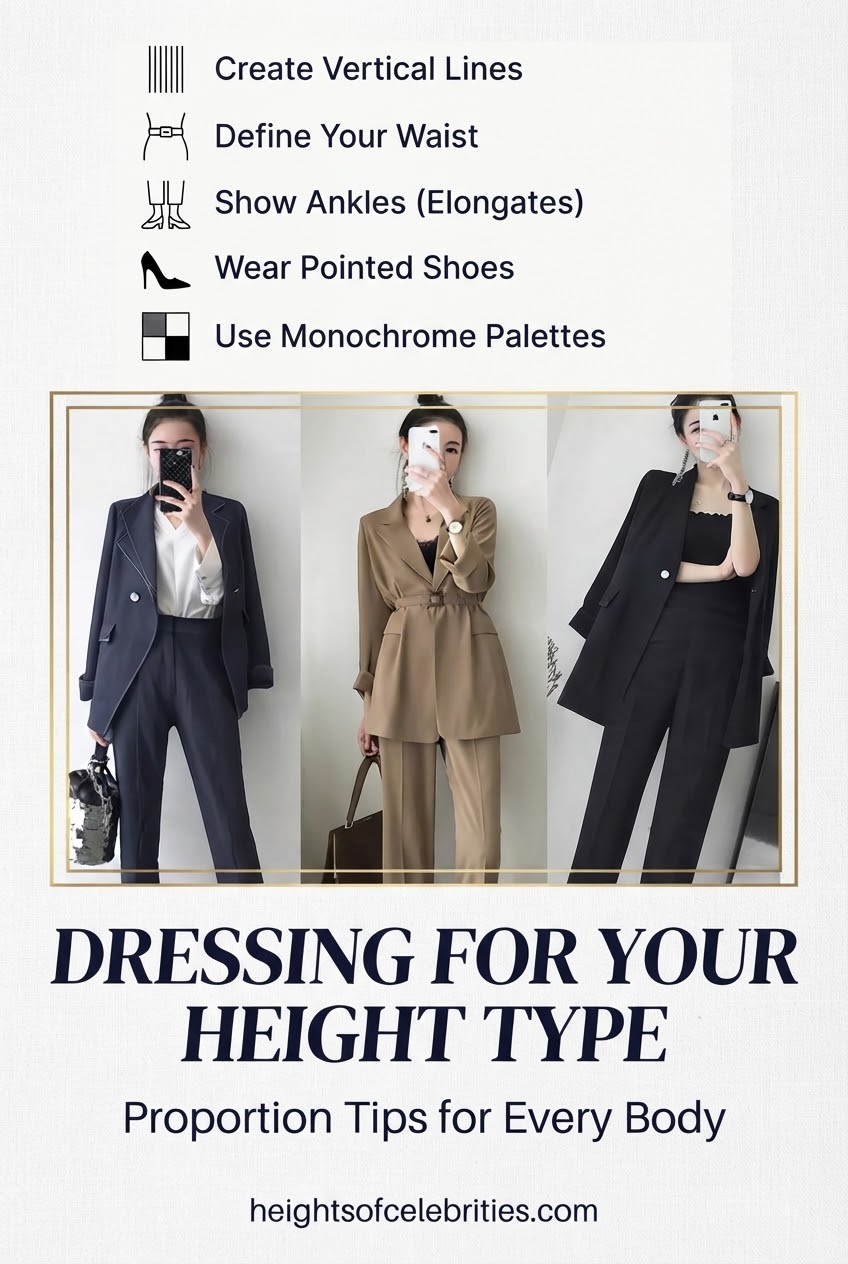
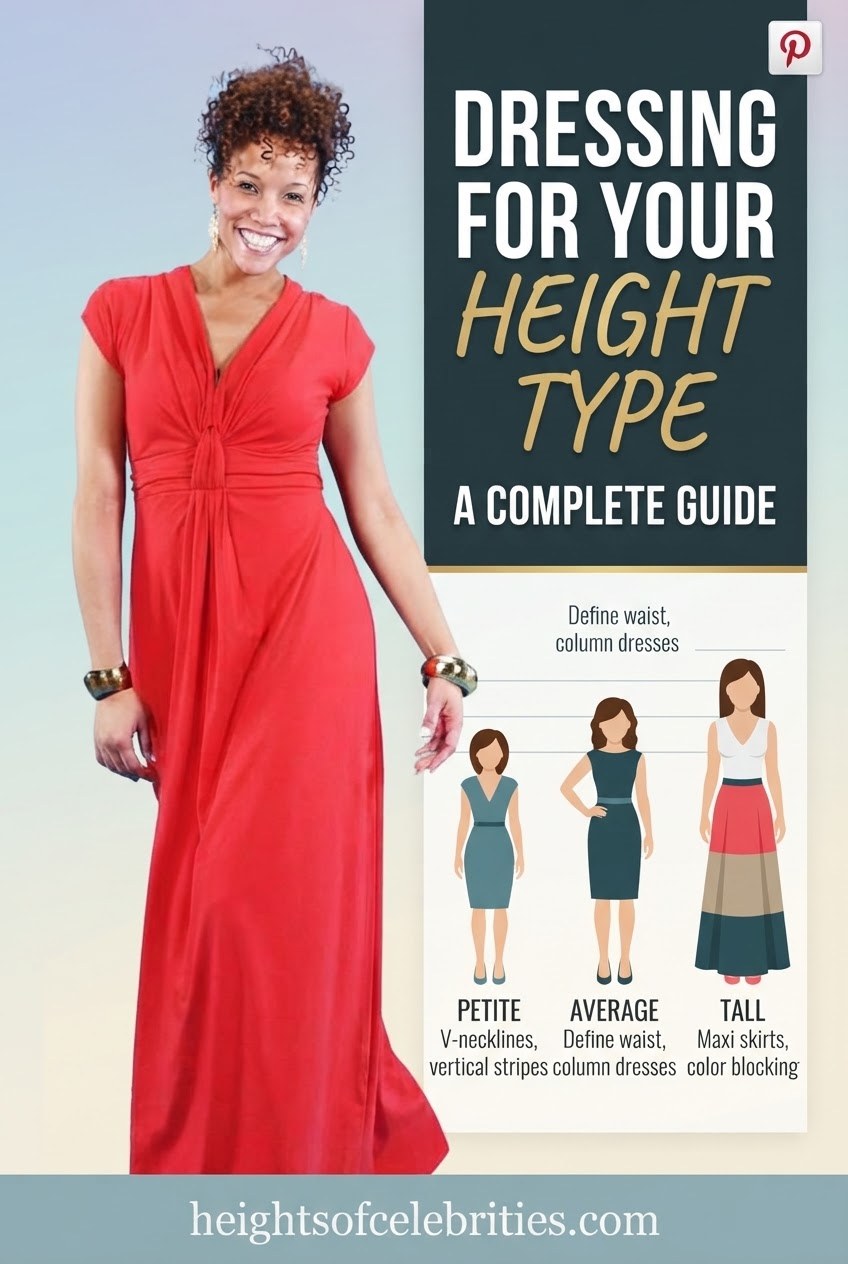
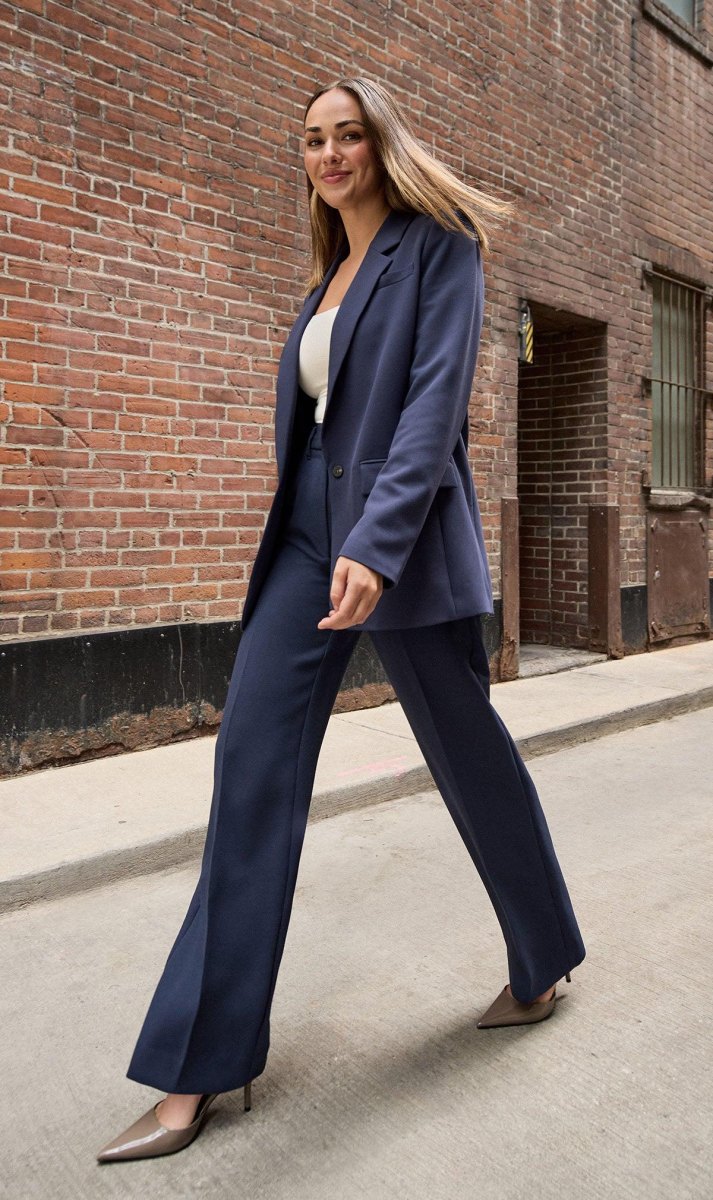
When dressing for a petite height type, I look first at clean vertical lines and precise fit. Petite clothing is a fit category based on garment proportions, such as shorter inseams and adjusted placement, rather than a statement about body shape.
Key styling ideas
- Choose waist placement that matches your proportions.
- Use tailored pieces to keep outfits structured.
- Consider uninterrupted color or line when you want a simple silhouette.
Current fashion coverage continues to highlight high-rise trousers, tailored pieces, and well-fitted lengths as useful options for petite shoppers.
Dressing for a Tall Height Type
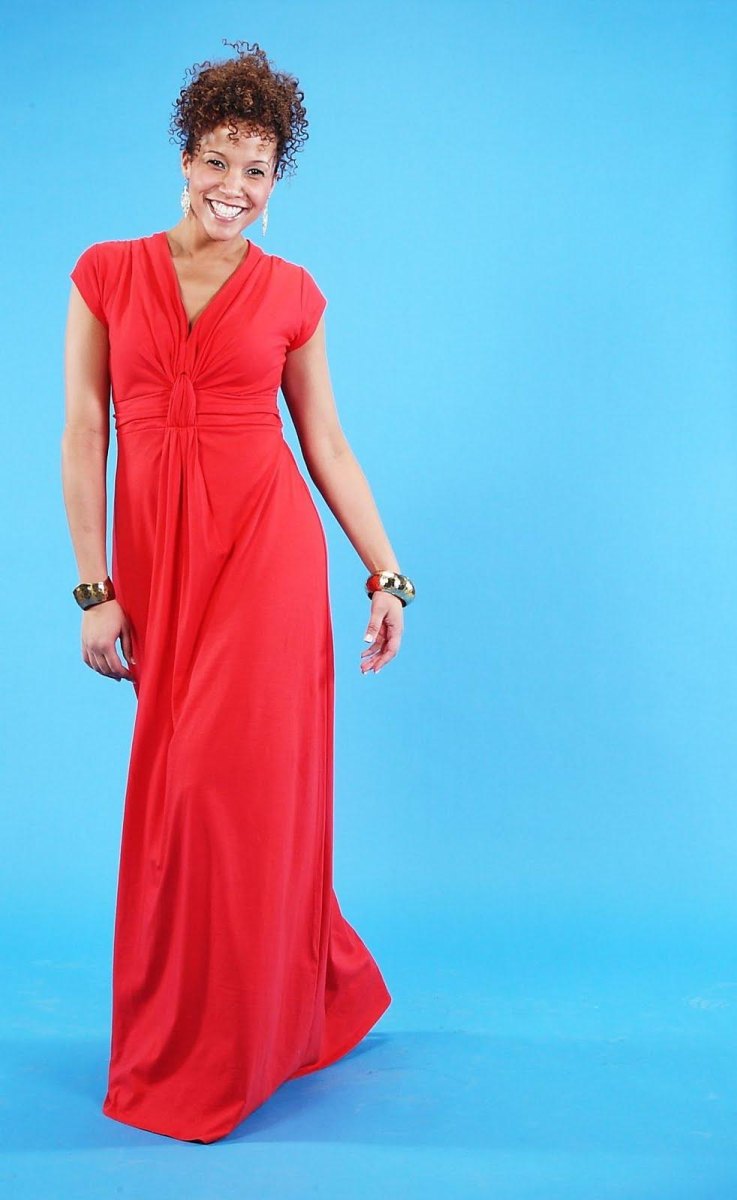
For a tall height type, I focus on intentional garment length. The goal is not to reduce height but to select pieces where hems, sleeves, and layers are placed thoughtfully.
| Piece | Useful approach |
|---|---|
| Trousers | Look for lengths that reach the intended hem point. |
| Coats | Longer layers can create a finished silhouette. |
I also pay attention to fabric movement because longer garments can show their construction clearly when the proportions are right.
Dressing for an Average Height Type
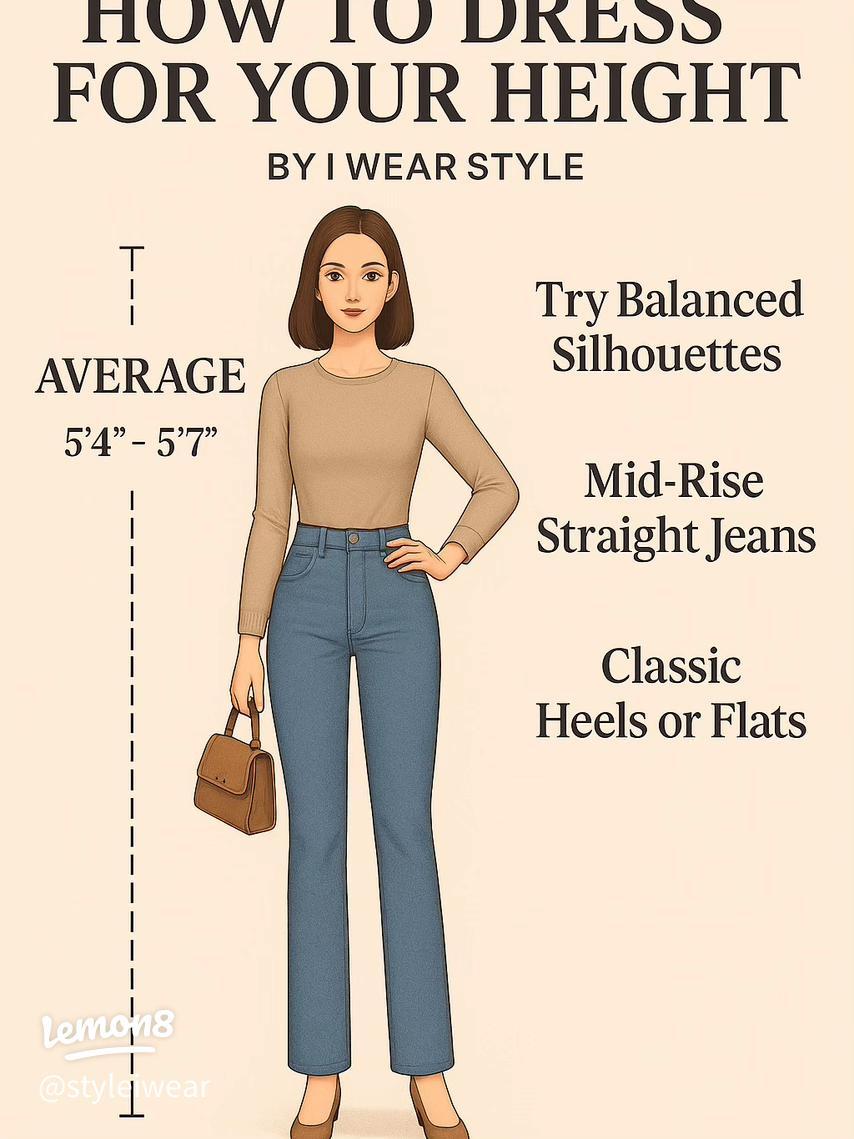
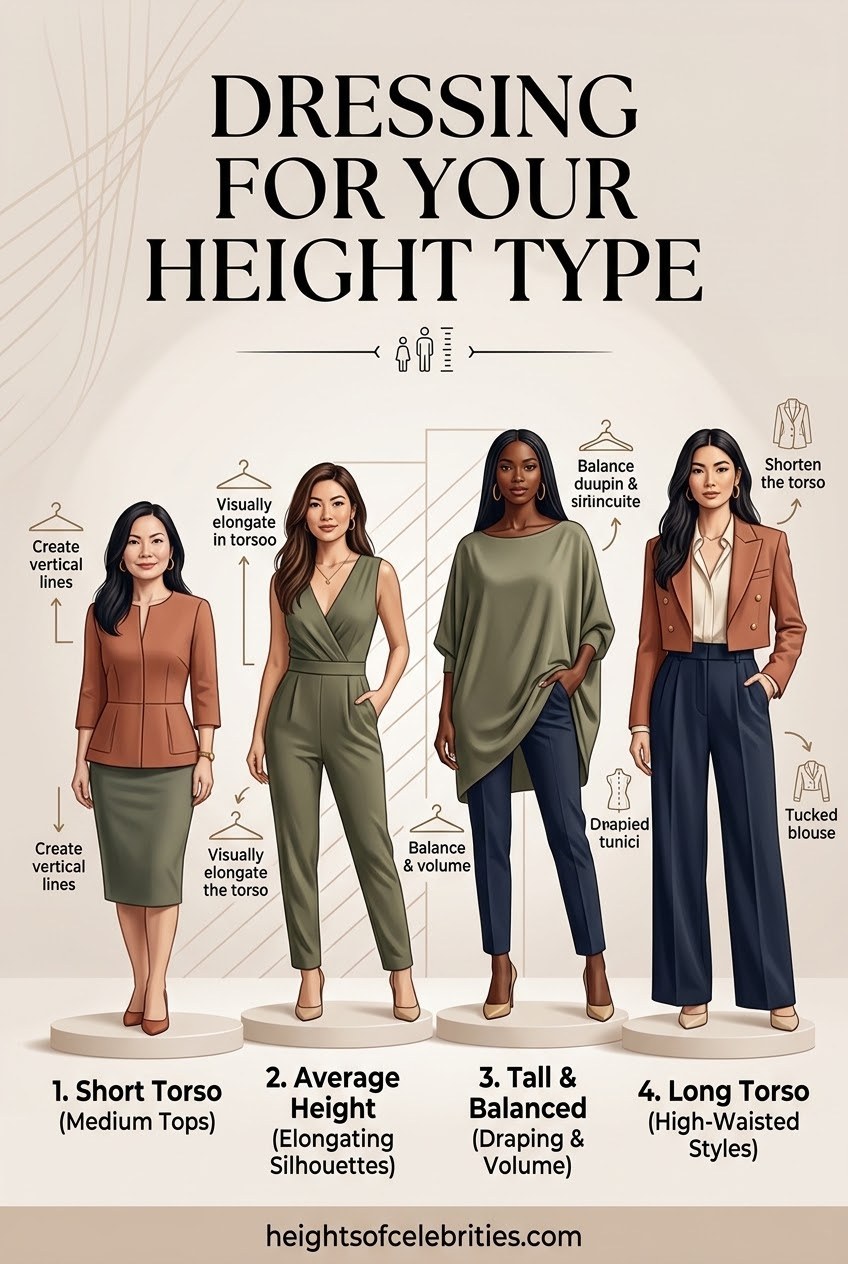
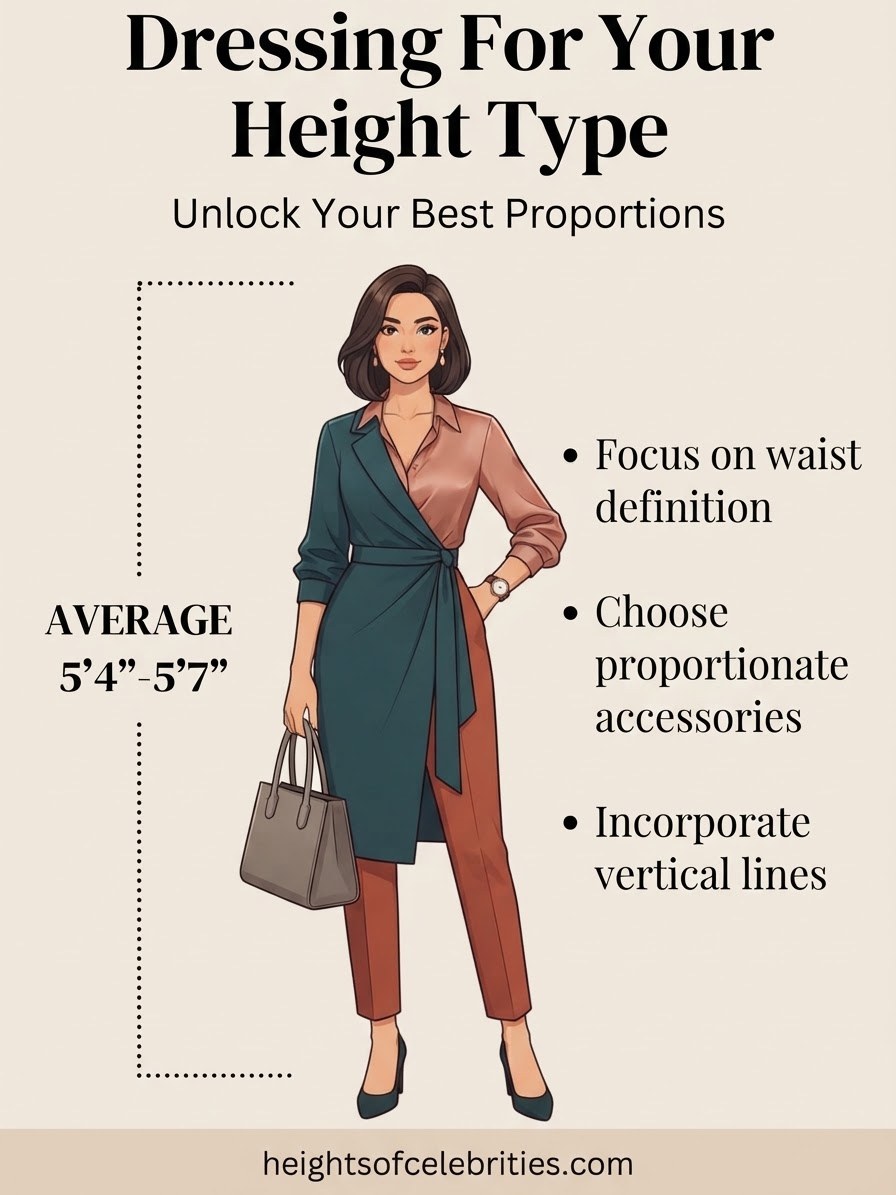
An average height type often works well with many standard cuts, but I still check individual proportions rather than relying only on height. Garment patterns are built around averages, yet personal measurements can change how a piece sits.
The most reliable styling choices come from observing how clothes fit your own frame, not from assuming one height category has one perfect wardrobe.
Dressing for a Long-Torso Height Type
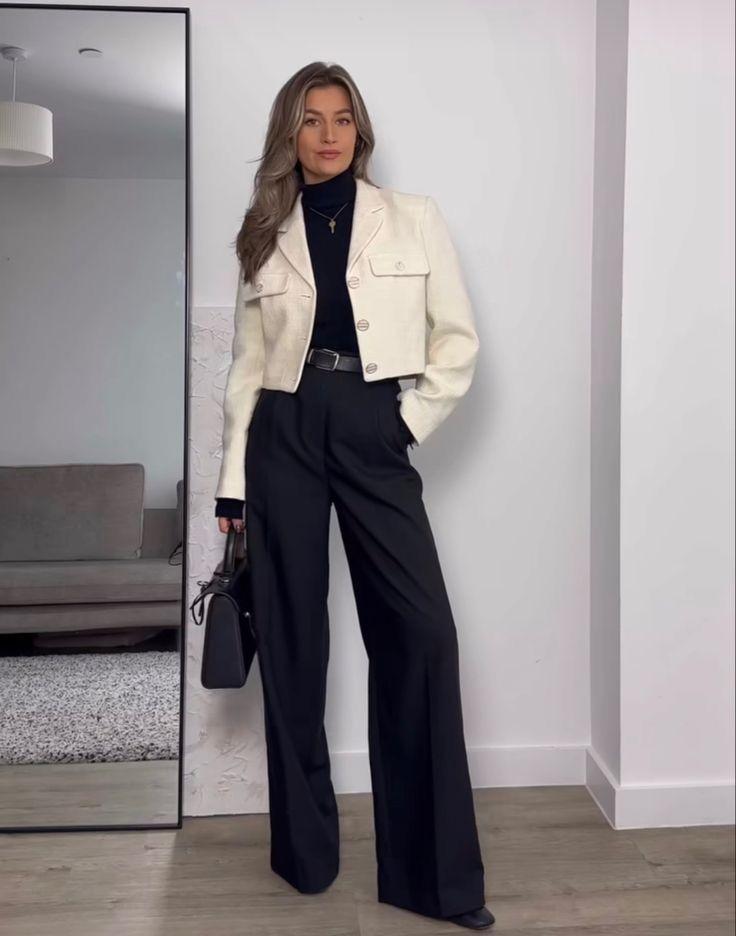
With a long-torso height type, I pay attention to waistline placement. High-rise trousers, skirts, and carefully chosen jacket lengths can change the visual division of an outfit.
- Identify. Notice where your natural waist sits in relation to your clothing.
- Adjust. Try different rises, tucks, and layers to find the balance you prefer.
- Compare. Check the full outfit rather than judging one garment alone.
I treat these choices as styling tools, not corrections, because proportions vary widely from person to person.
Dressing for a Short-Torso Height Type
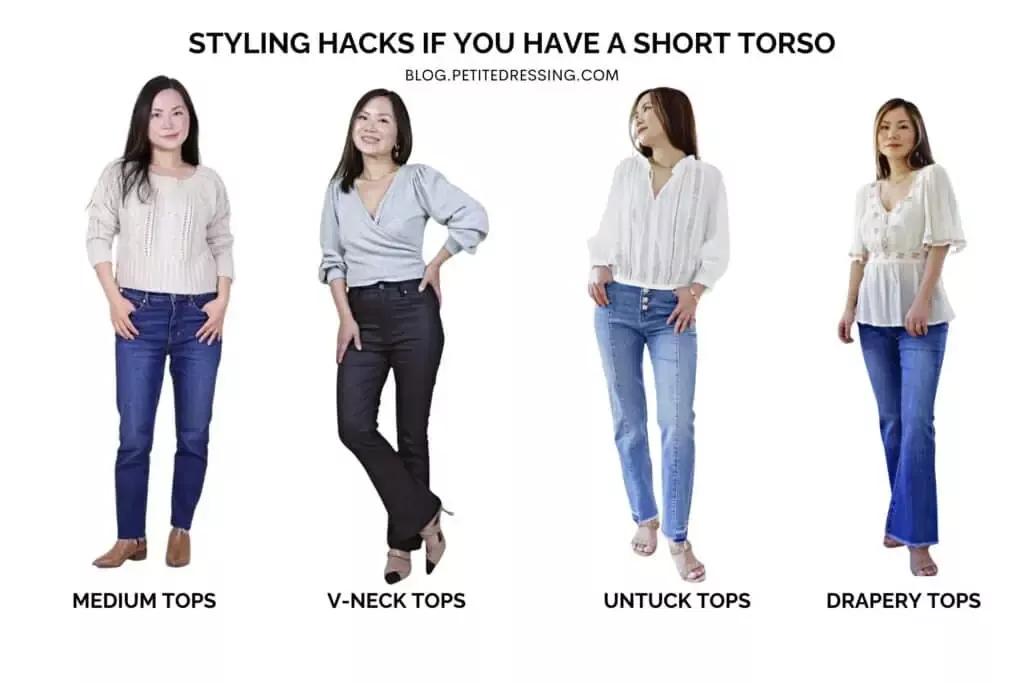
For a short-torso height type, I consider visual spacing above the waist. Necklines, jacket lengths, and the position of a waistband can affect how an outfit reads.
Styling tip
Try different top lengths and rises before deciding a piece does not work. Small placement changes can create a noticeably different outfit balance.
I avoid treating any proportion as a problem. The useful question is simply whether the clothing creates the visual balance you want.
Dressing for a Balanced Height Type
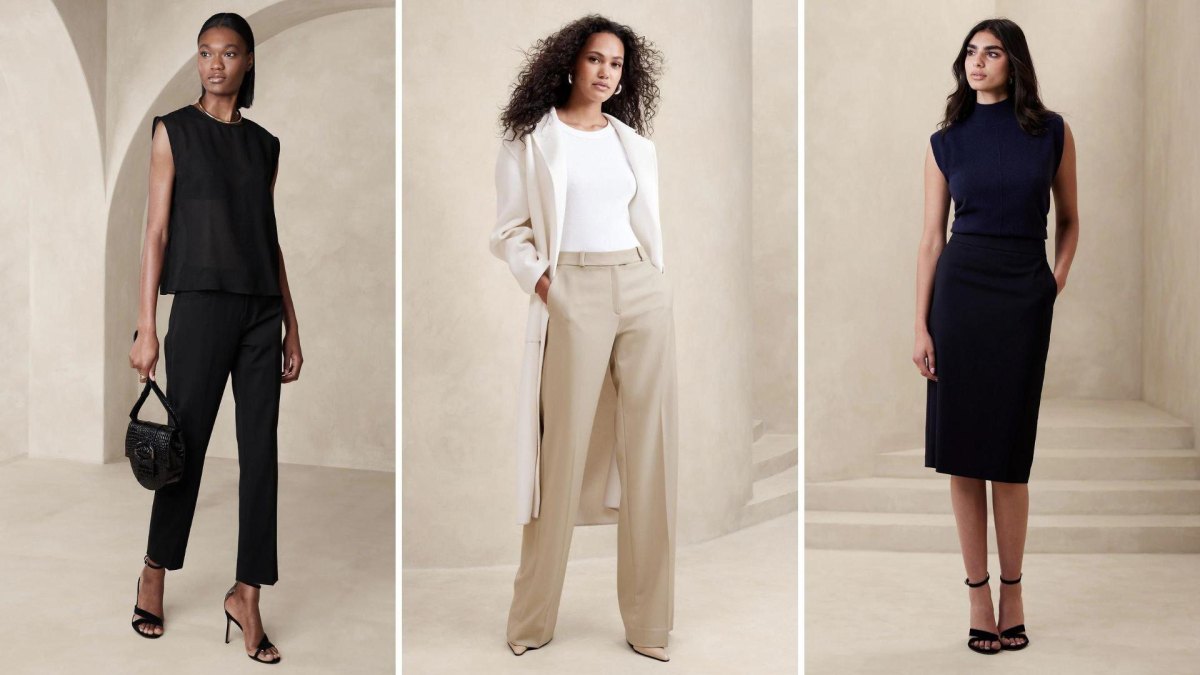
A balanced height type is about coordinating overall outfit harmony. I focus on how different pieces relate to each other instead of searching for one formula.
Helpful approaches
- Mix garment lengths thoughtfully.
- Choose details that support the outfit scale.
- Build around comfortable pieces you wear often.
Common mistakes
- Following height rules without testing fit.
- Ignoring where seams and hems fall.
- Choosing trends without considering proportion.
The practical takeaway is simple: fit and proportion matter more than a label. A well-balanced outfit starts with understanding how your clothes interact with your own measurements.
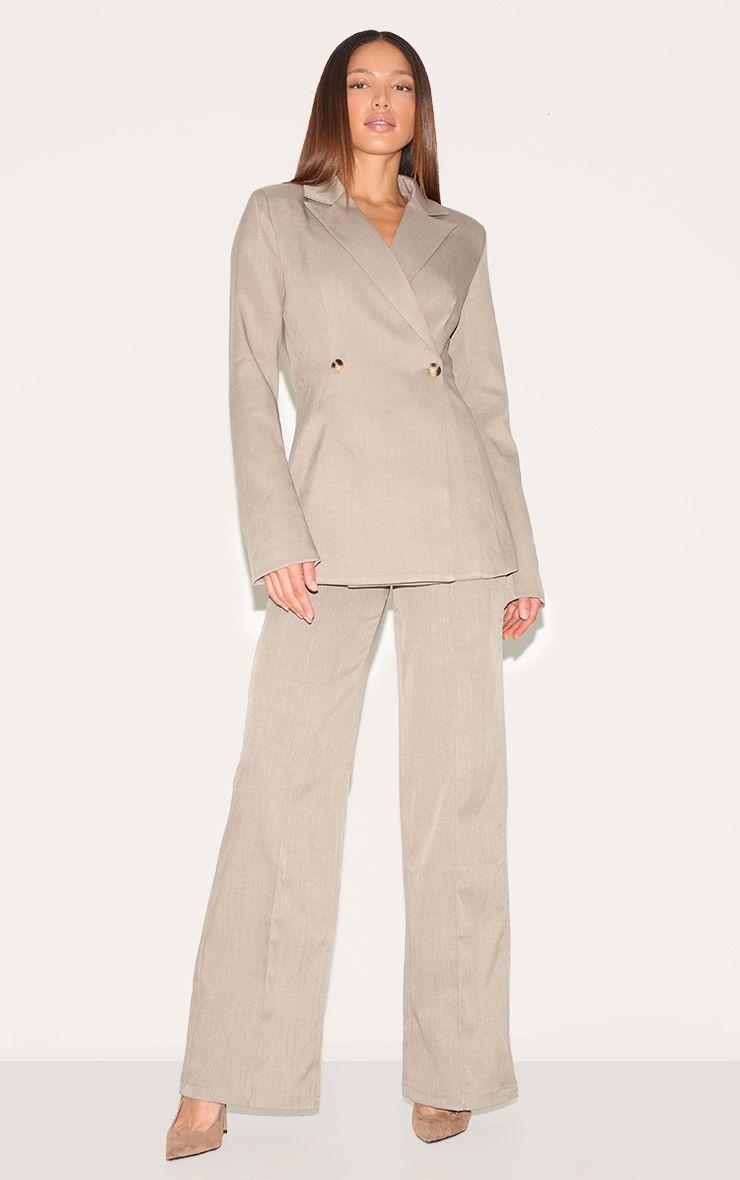
More Pinterest Visuals