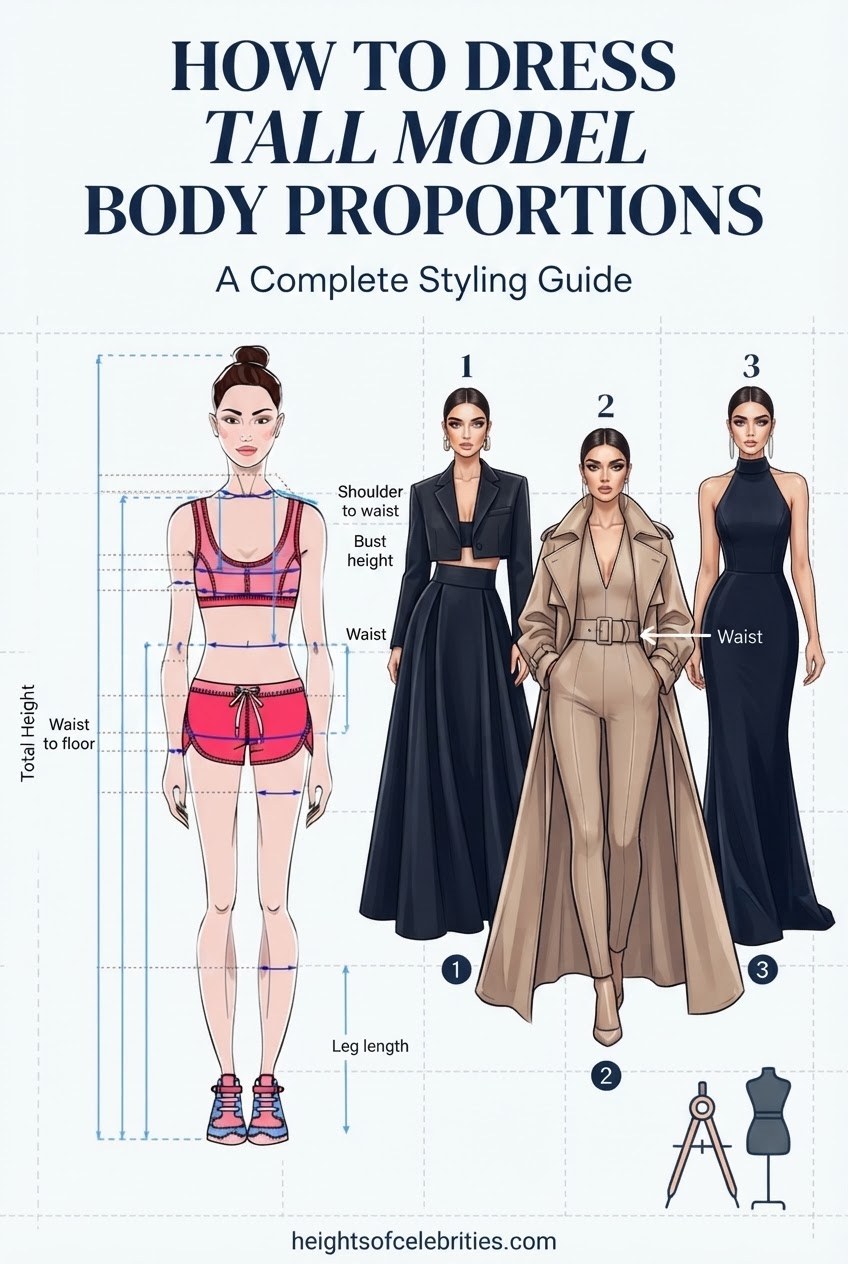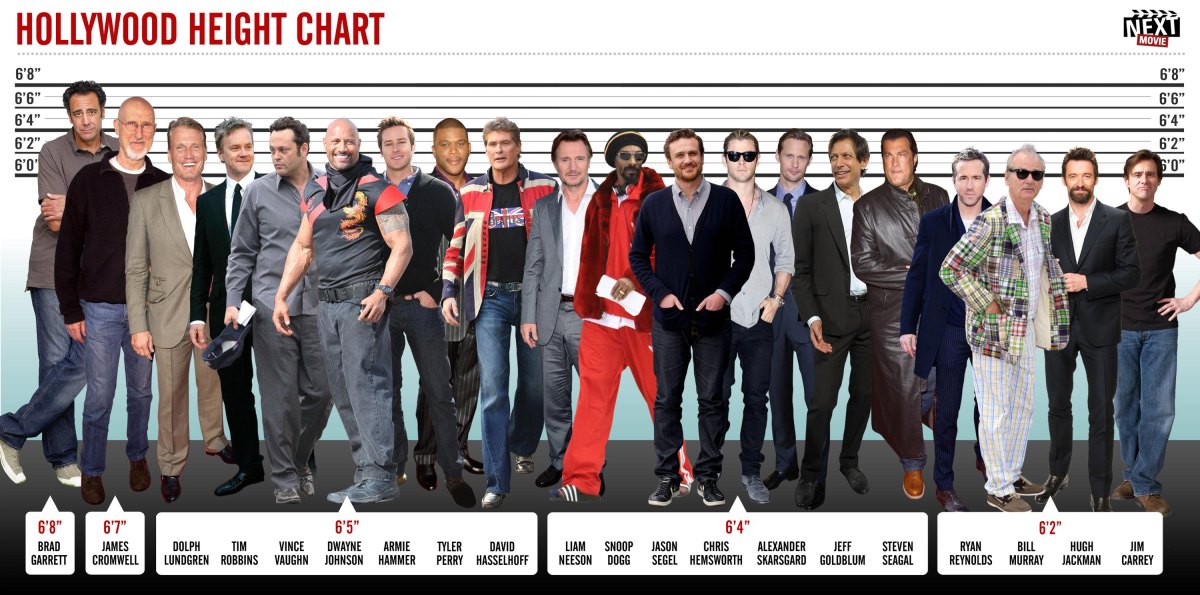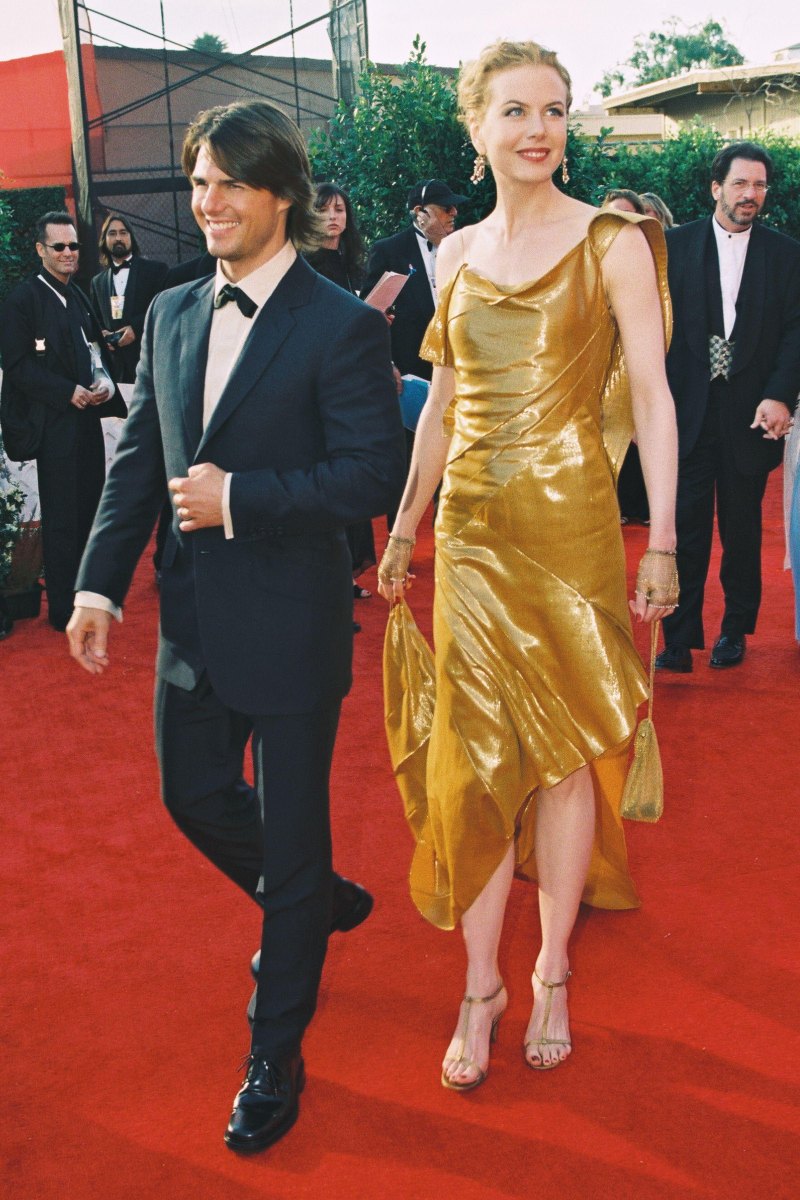
I use this guide to separate documented fashion concepts from internet myths about tall model proportions. Body ratios vary from person to person, and the useful approach is to understand measurements, clothing balance, and silhouette rather than search for one fixed formula. Fashion illustration commonly uses elongated figures, while real measurements require individual context.
Summary
- Tall model proportions focus on relationships between body sections, not one universal measurement.
- Leg-to-torso balance helps explain how garments sit on a longer frame.
- Styling choices can adjust visual balance without changing physical proportions.
Understanding Tall Model Frame Ratios
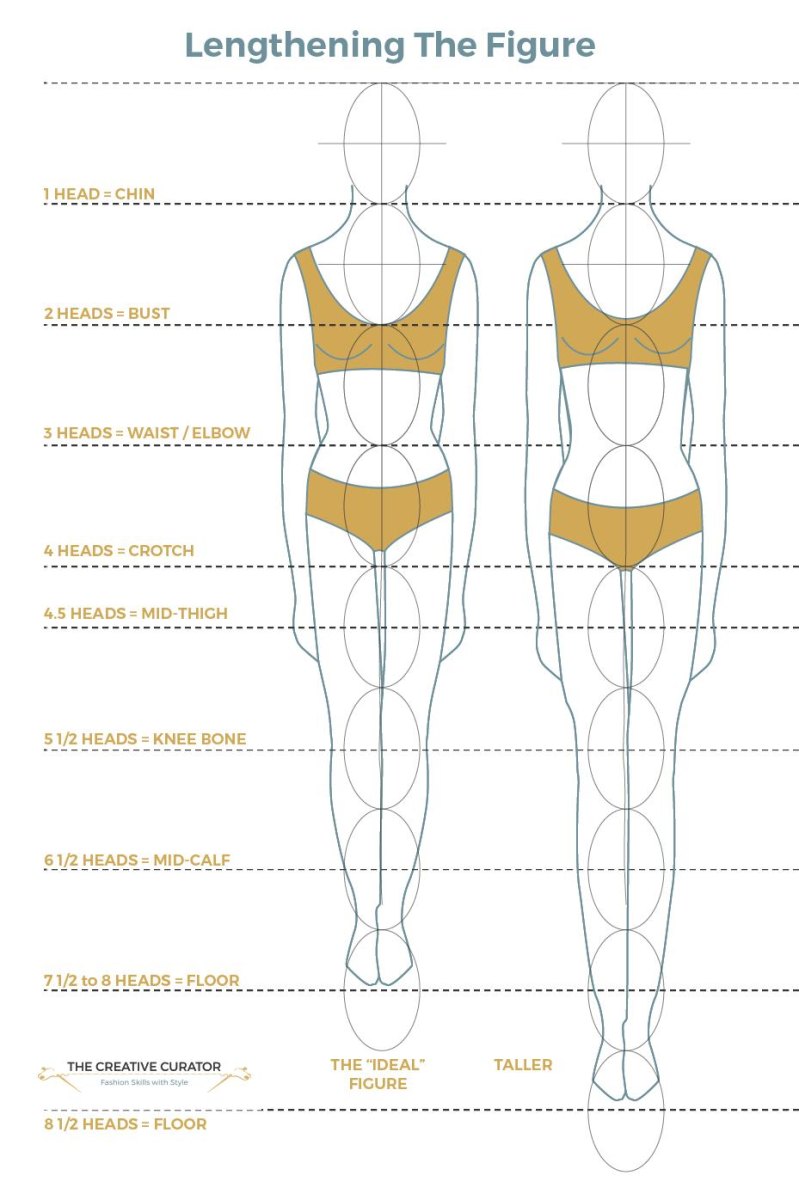
When I look at a tall model frame ratio, I focus on relationships between height, torso length, and limb length. There is no single documented proportion that defines every model, but fashion illustration often stretches figures to create a longer appearance.
A real person measured at 6 ft 0 in (183 cm) may have a different distribution of height than another person with the same measurement. I treat individual proportions as the starting point for fit and styling discussions.
Practical tip
Measure separate sections of the body instead of relying only on total height when analyzing a silhouette.
Leg Length and Torso Balance
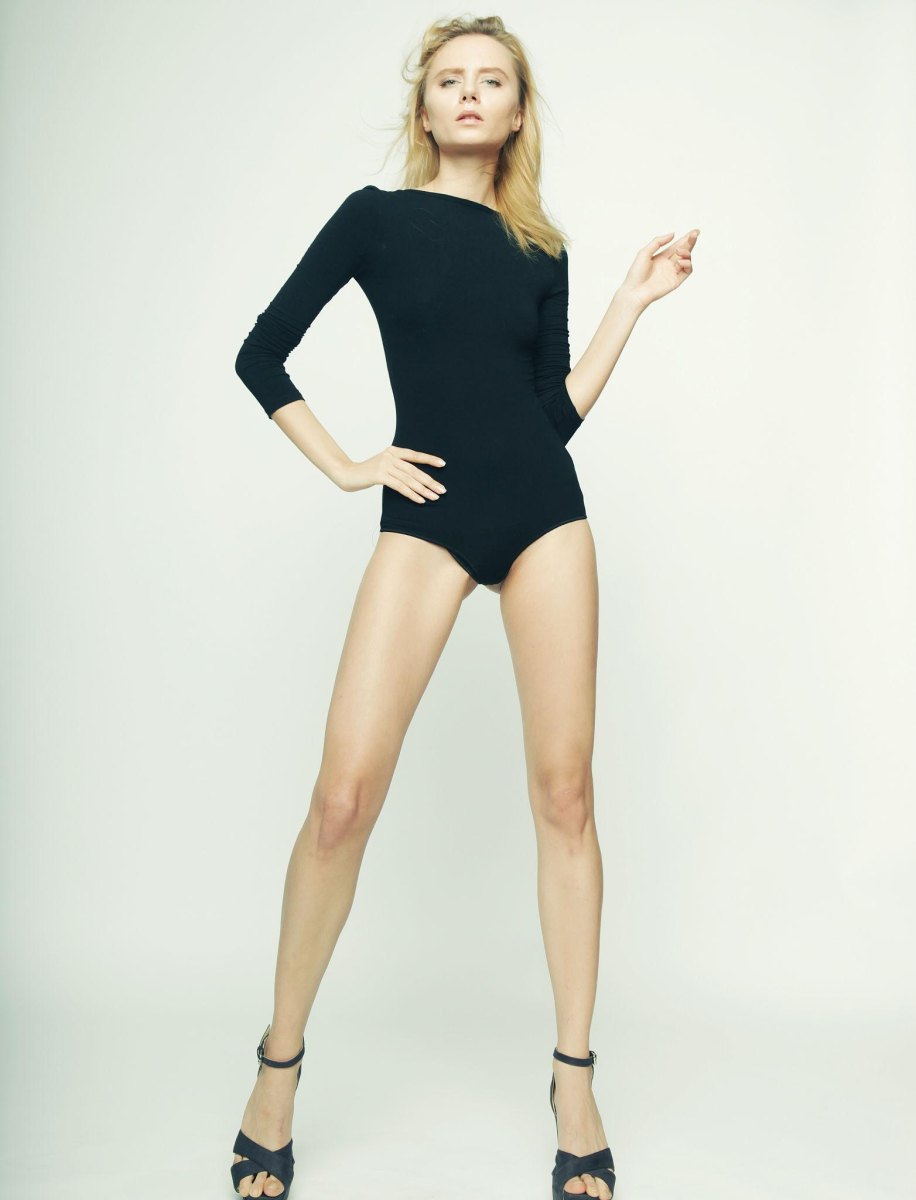
I compare leg length and torso balance because two people with the same height can require different clothing fits. A longer torso changes jacket placement, while longer legs affect trouser rise and inseam choices.
For example, a person measuring 5 ft 11 in (180 cm) may have a different leg-to-body ratio from another person at 5 ft 11 in (180 cm). The measurement itself is documented, but the internal distribution is what guides proportion-aware styling.
Shoulder Width, Waist, and Hip Measurements
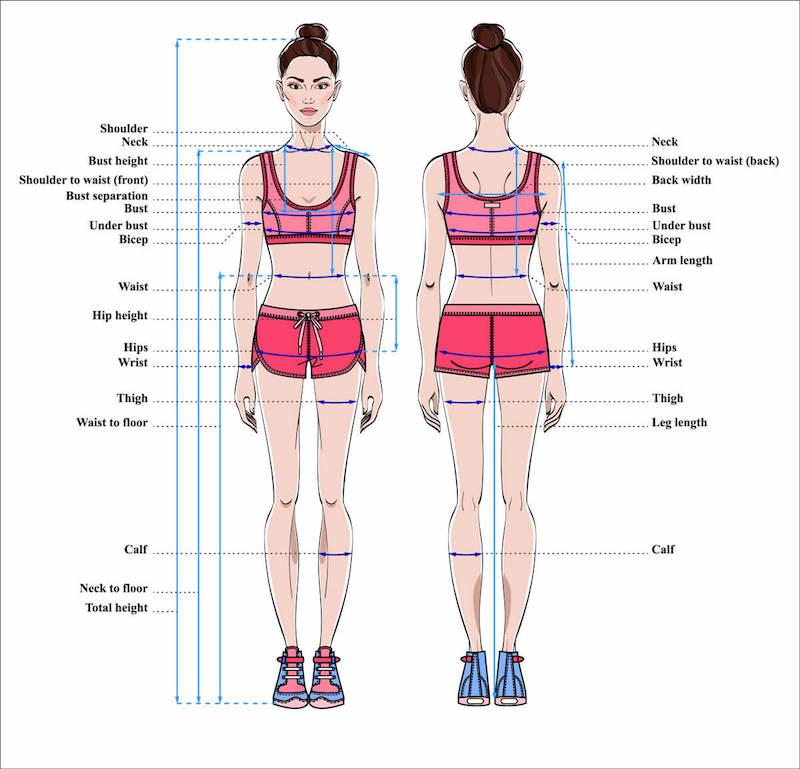
I treat shoulder waist hip measurements as garment-fitting data rather than a definition of how a person should look. Modeling measurements vary by market, agency, and category, and industry requirements have changed over time.
For reference, a measurement chart should list units clearly: 36 inches (91 cm) shoulders, 26 inches (66 cm) waist, or 38 inches (97 cm) hips are simply measurements, not universal targets. Research on professional fashion models also shows measurable differences in some body dimensions compared with general populations, while variation remains part of the data.
| Measurement | Purpose |
|---|---|
| Shoulder width | Helps determine jacket and top structure |
| Waist placement | Guides where garments define the middle section |
| Hip measurement | Supports accurate lower-body fitting |
Height-to-Head Ratio and Silhouette
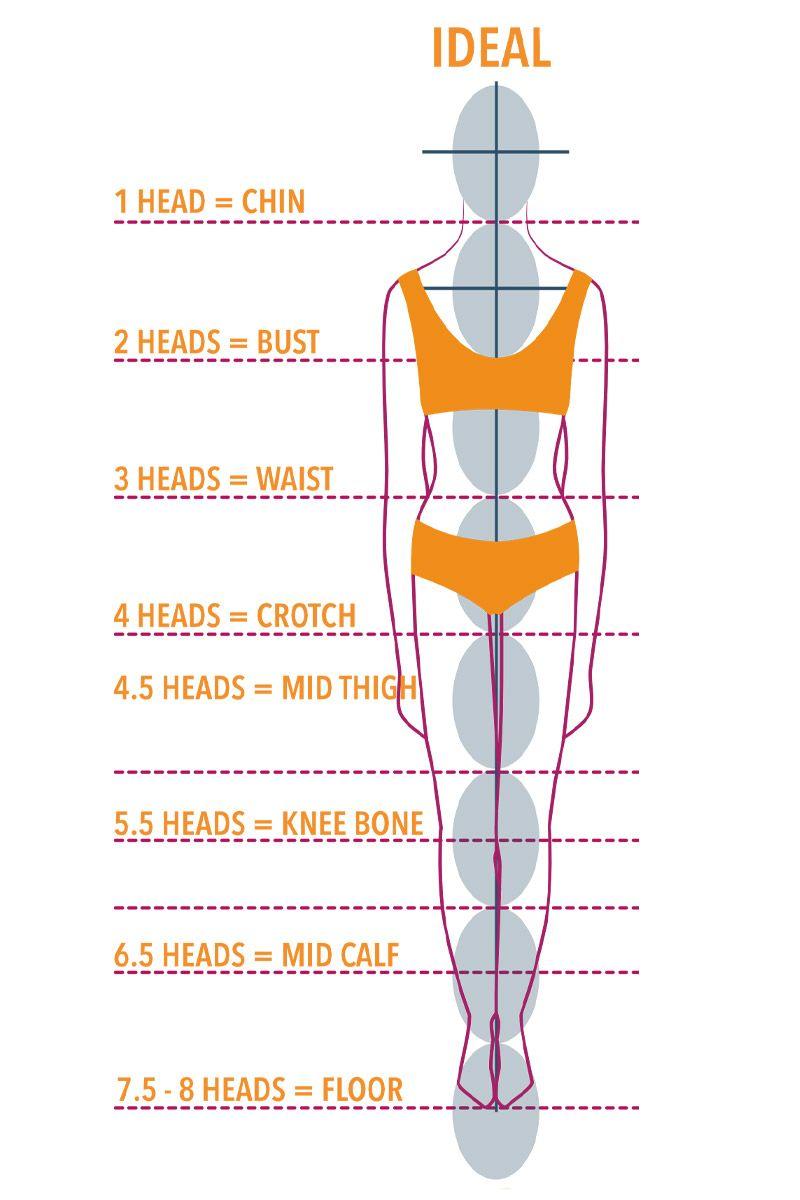
The height-to-head ratio is mainly a fashion illustration tool. Artists often use 8 to 10 head units to create an elongated figure, while real human proportions are generally closer to a smaller number of head lengths.
I separate illustration standards from physical measurements because a drawn fashion silhouette is designed for visual presentation. A person measuring 6 ft 2 in (188 cm) does not automatically match a sketch with ten head units.
Styling for Tall Model Proportions
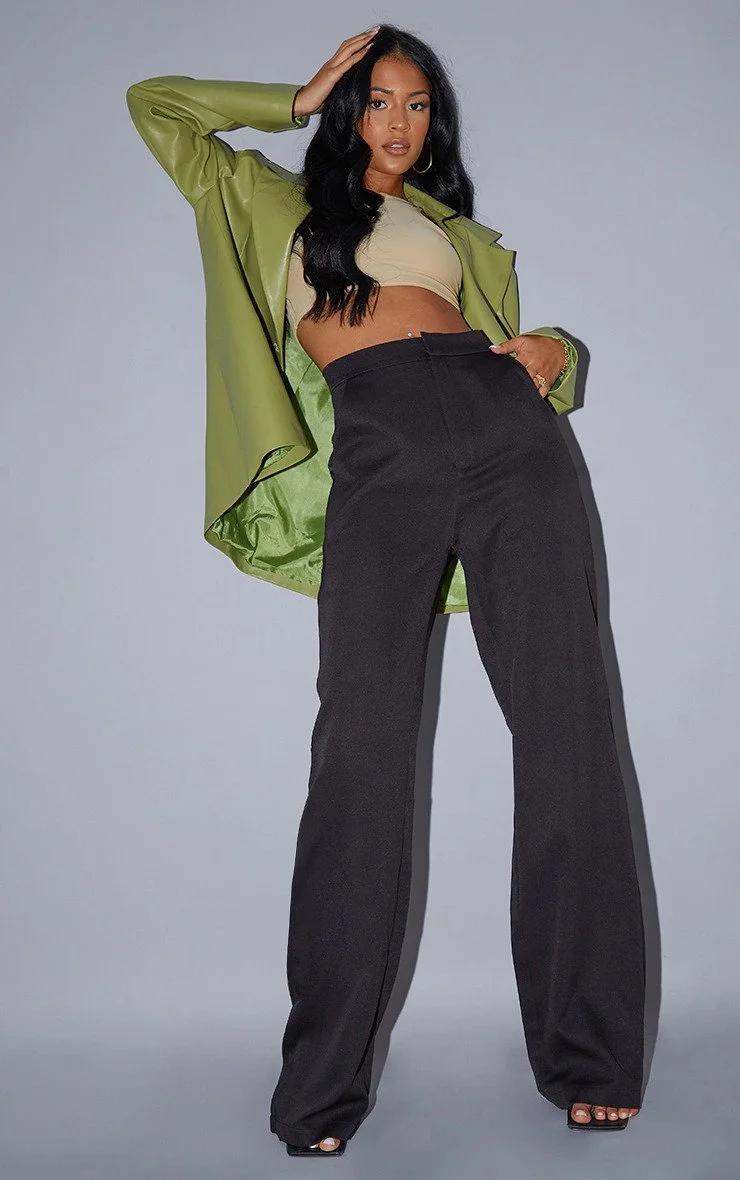
I approach styling tall proportions through fit, length, and balance. Designers and stylists often adjust hems, sleeves, rises, and layering because standard clothing patterns may not match every frame.
A useful wardrobe check is whether each item has the right scale. A coat measuring 42 inches (107 cm) in length, for example, creates a different silhouette on different heights, so I focus on garment placement rather than a fixed rule.
More Pinterest Visuals