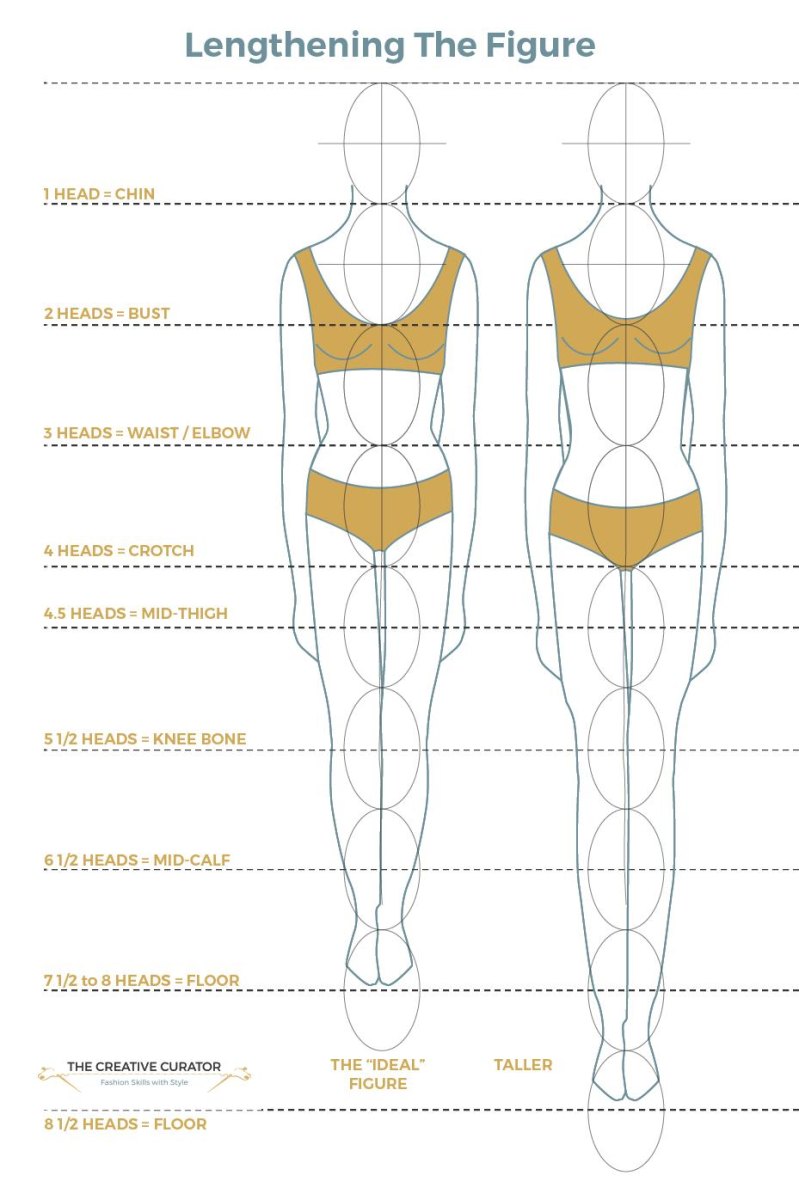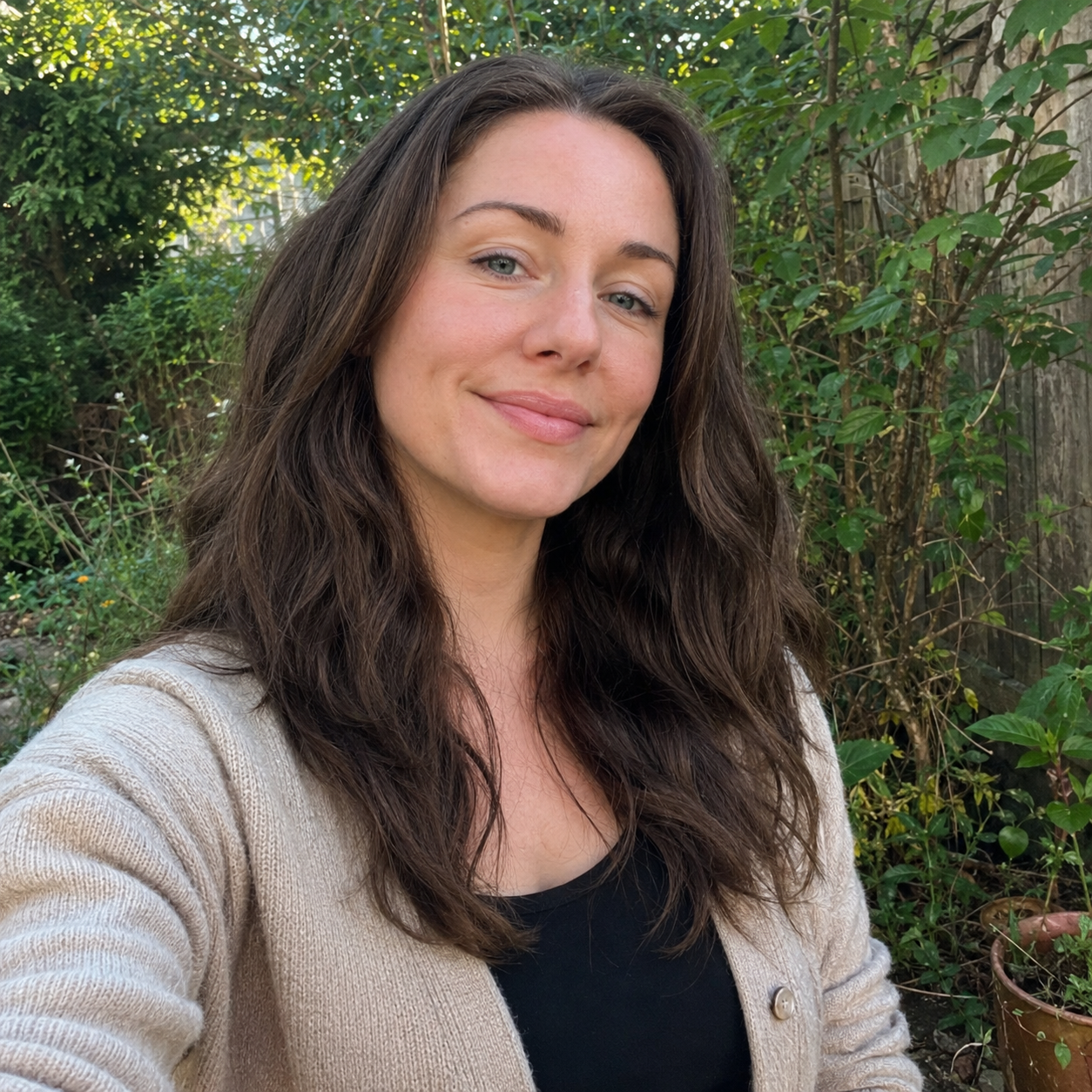
I focus on petite styling principles that use proportion, fit, and balance rather than strict rules. The most useful outfit changes usually come from adjusting waist placement, hems, and visual lines.
Quick styling guide
- Use proportions to create balanced outfits.
- Choose cuts that work with your frame.
- Prioritize fit over simply following trends.
Choose High-Waisted Silhouettes to Elongate Your Frame
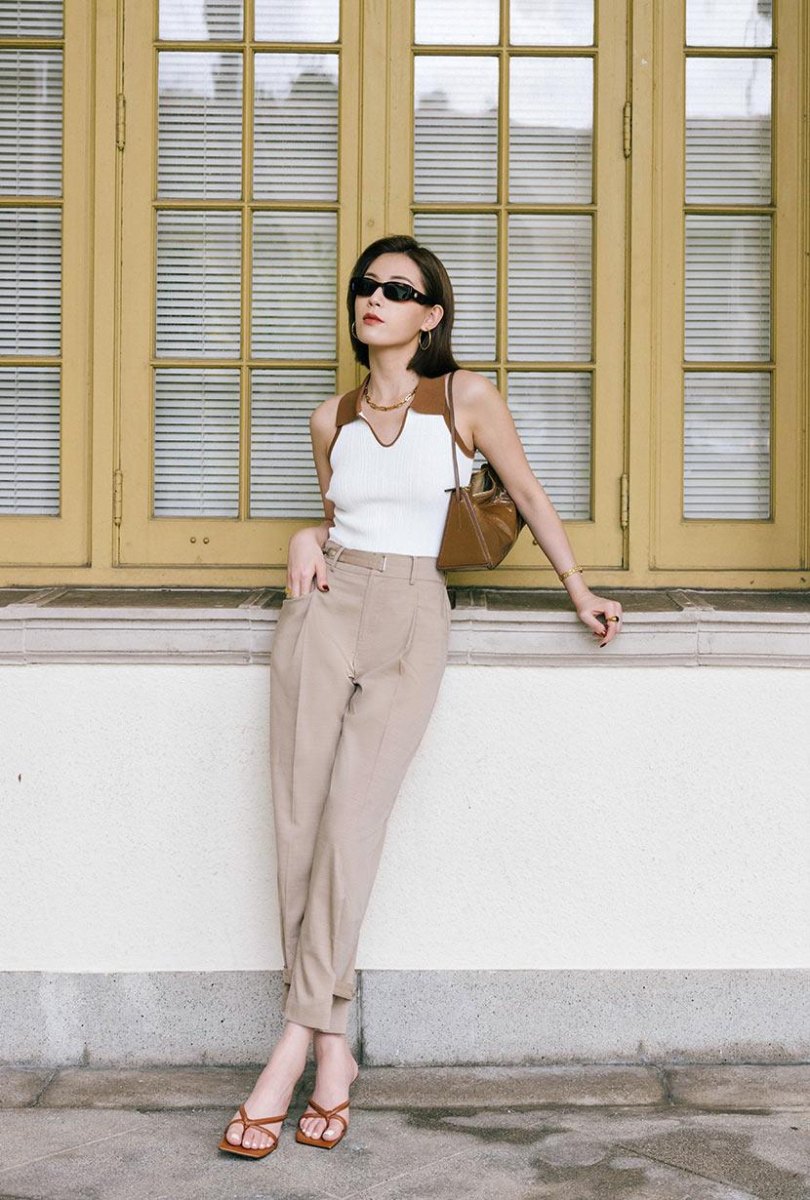
I often recommend high-waisted bottoms because they define the waist placement and help outfits feel more balanced. Tucking in a top or choosing a shorter layer can make the silhouette look cleaner.
My favorite combinations include high-rise jeans, tailored trousers, and skirts paired with simple tops that keep the leg line uninterrupted.
Create Balance with Properly Proportioned Layers
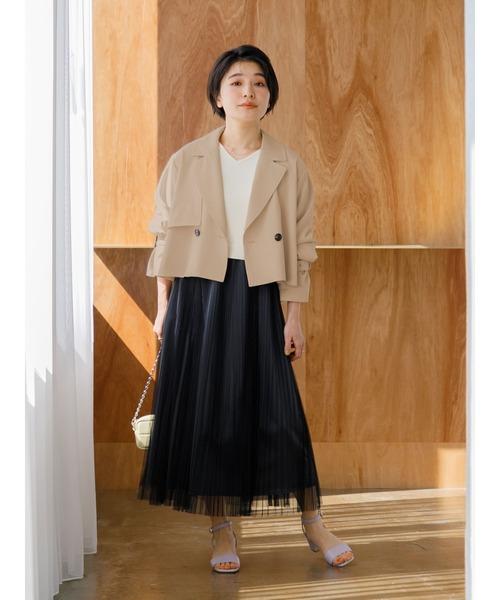
Layering works best when each piece has a clear role. I look for controlled proportions instead of adding volume everywhere at once.
A fitted base with a structured outer layer often creates a polished result. The goal is a balanced silhouette that feels comfortable and intentional.
Wear Monochrome Outfits for a Longer Look
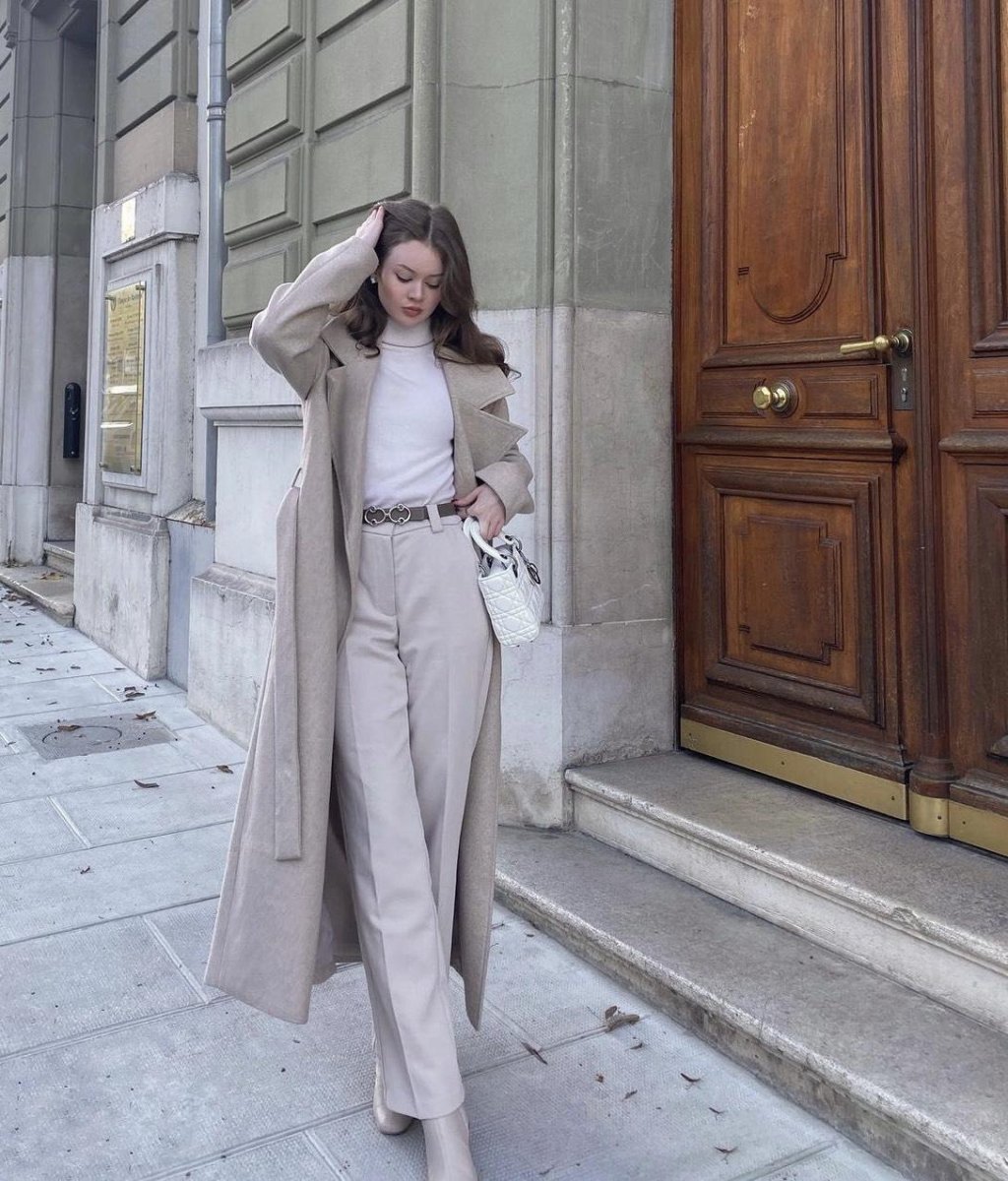
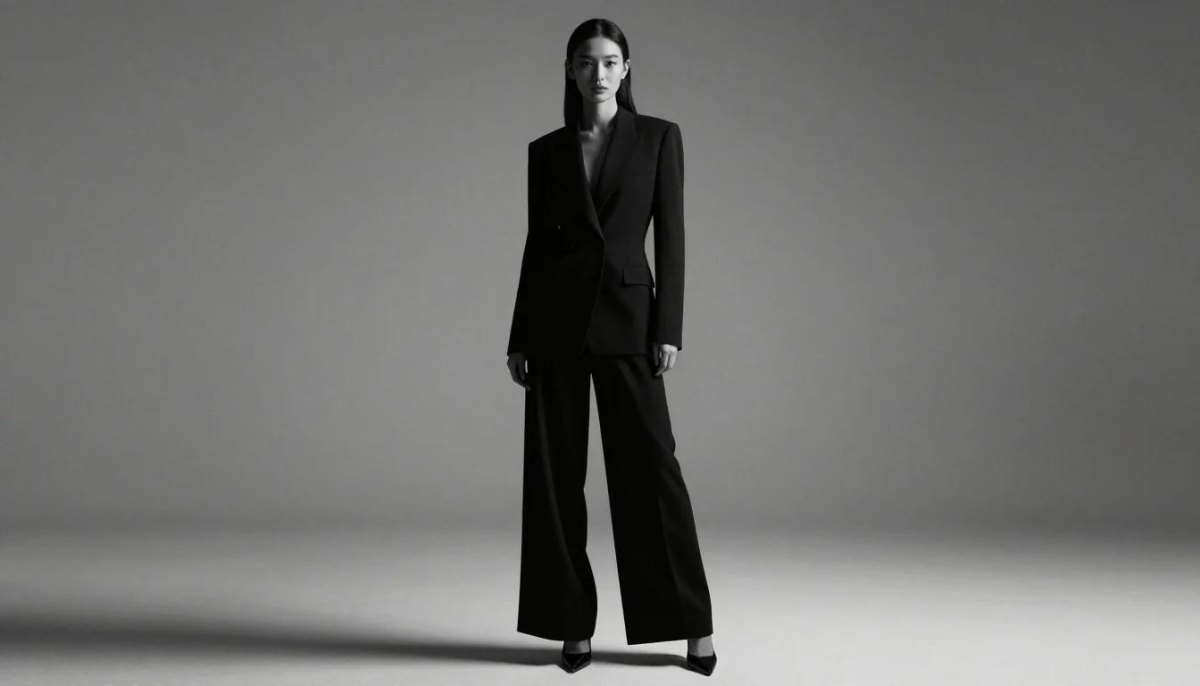
Monochrome dressing is one of my simplest petite outfit formulas. Wearing similar shades from top to bottom reduces visual breaks.
I enjoy using tonal colors because they create a continuous outfit line while still allowing texture and fabric differences.
Pick Cropped Jackets and Shorter Outerwear
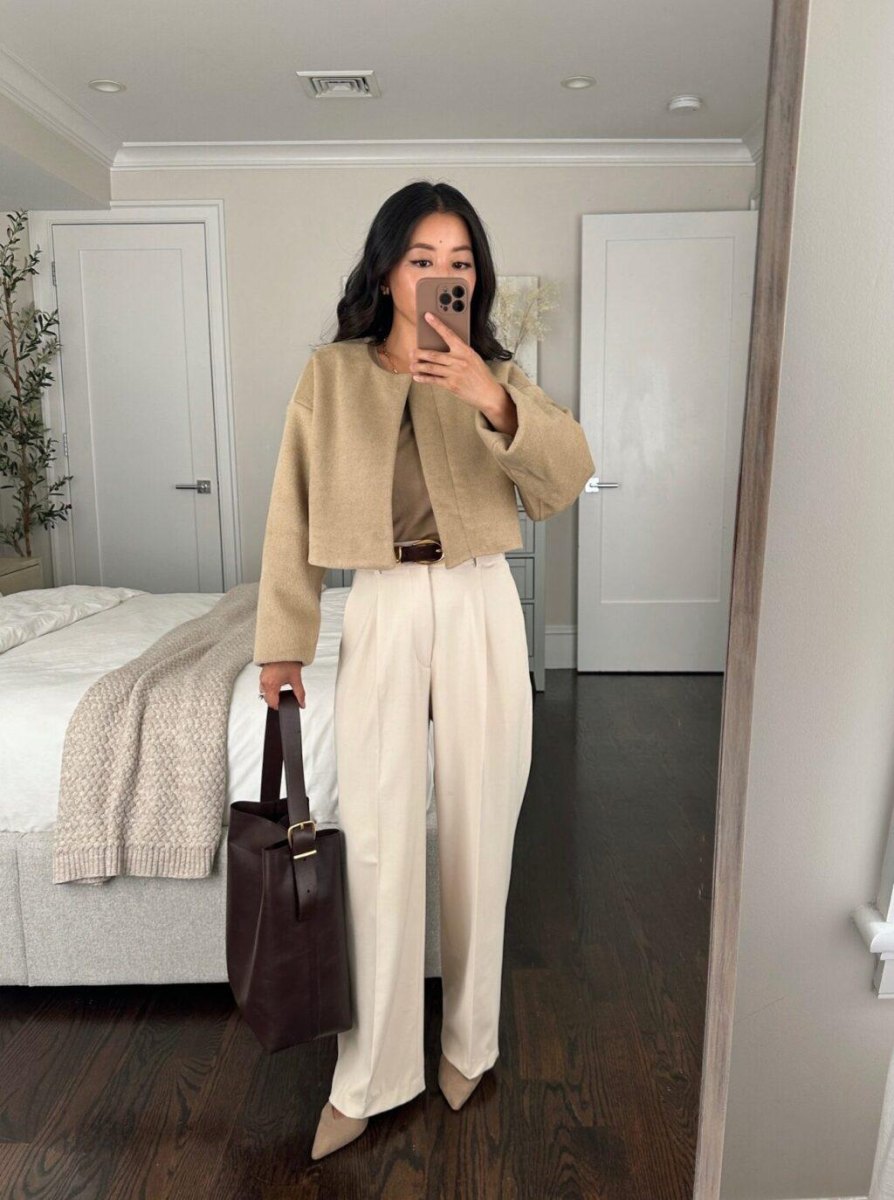
Cropped jackets are a useful choice because they can place emphasis on the waist rather than covering the entire outfit. I prefer waist-length outerwear with high-rise trousers or skirts.
This pairing creates a neat relationship between top and bottom pieces and keeps the overall proportions balanced.
Style Mini and Midi Lengths with Confidence
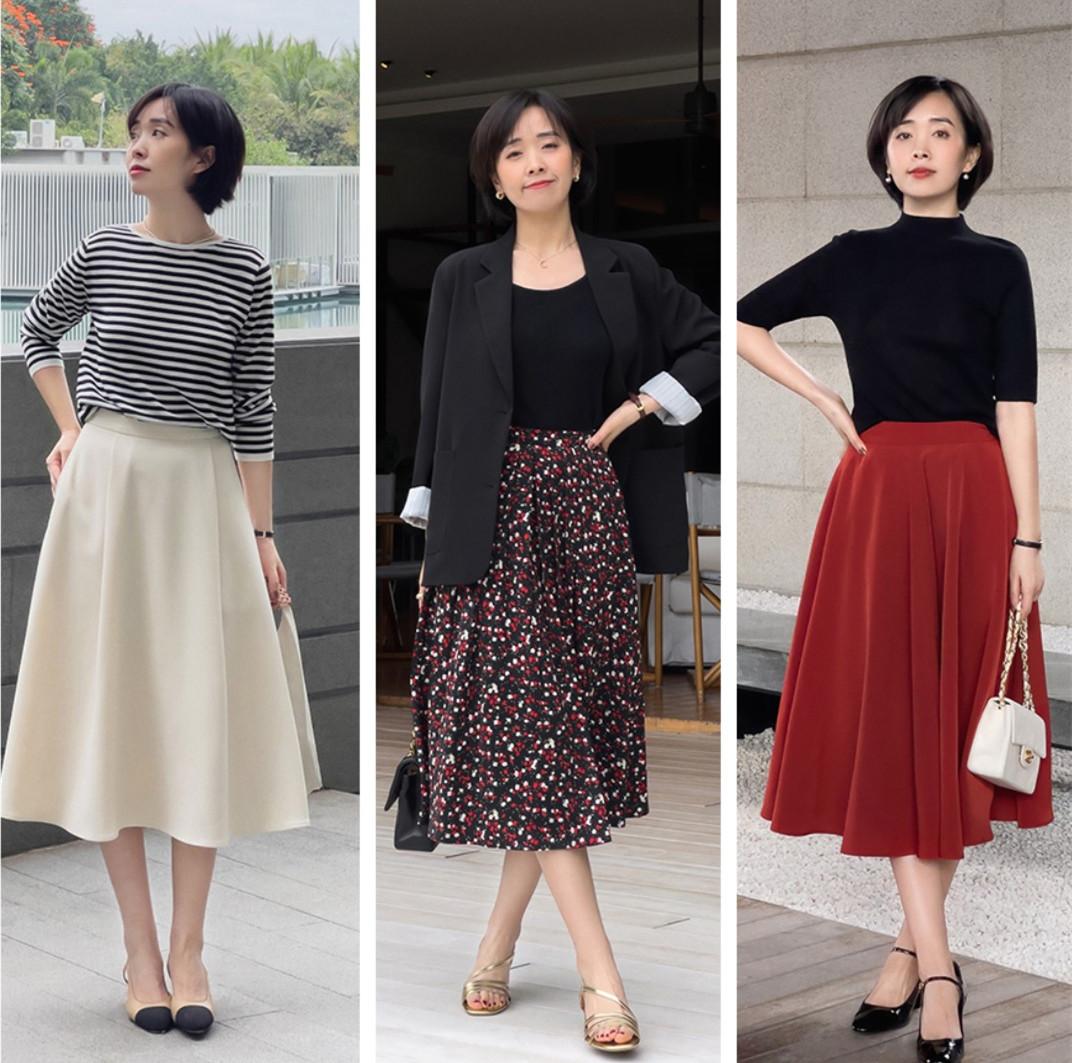
I do not treat skirt length as a fixed rule. The important detail is where the hem falls and how it works with the rest of the outfit. Intentional hemlines make a difference.
Mini and midi styles can both succeed when paired with shoes and tops that maintain visual balance.
Use Vertical Lines to Add Visual Height
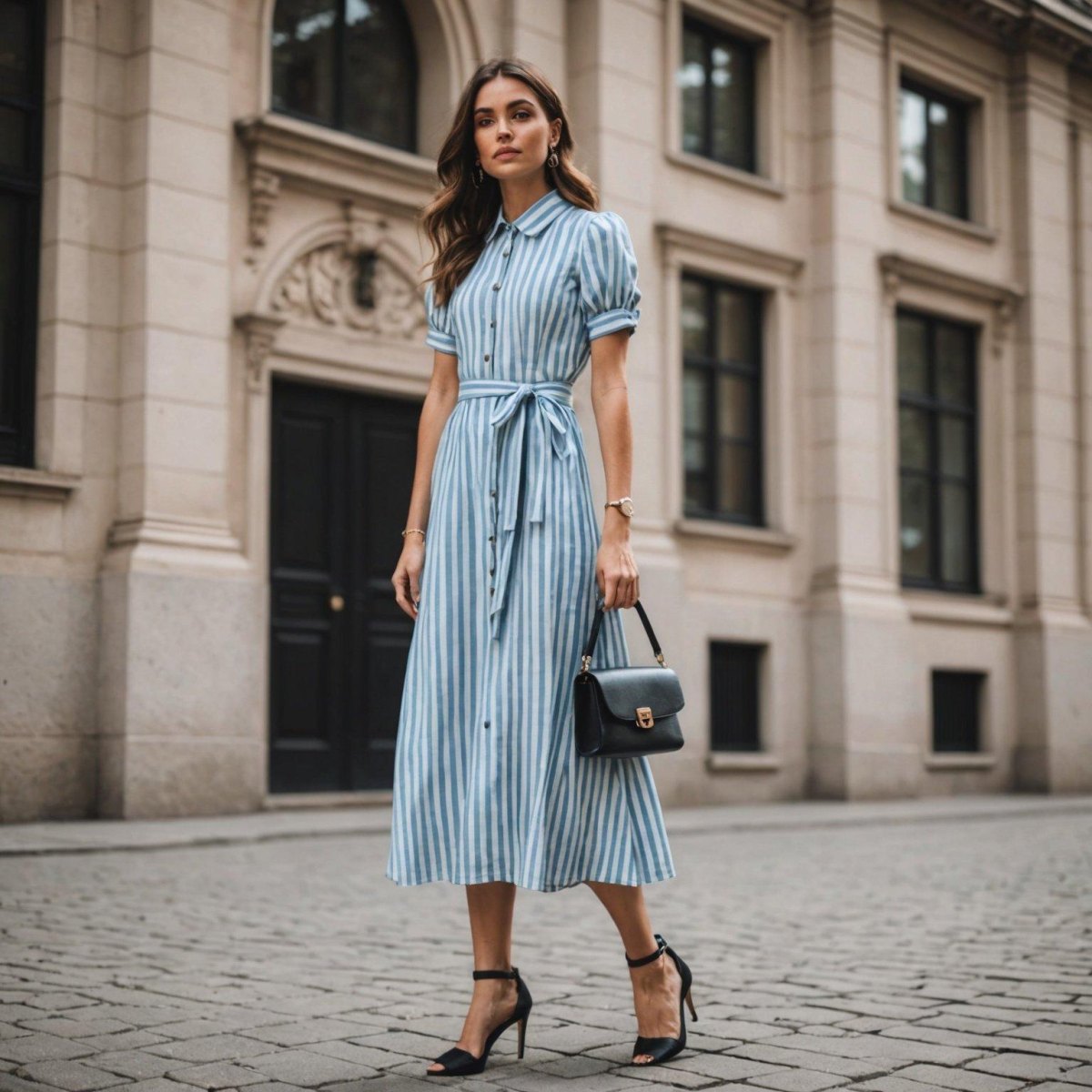
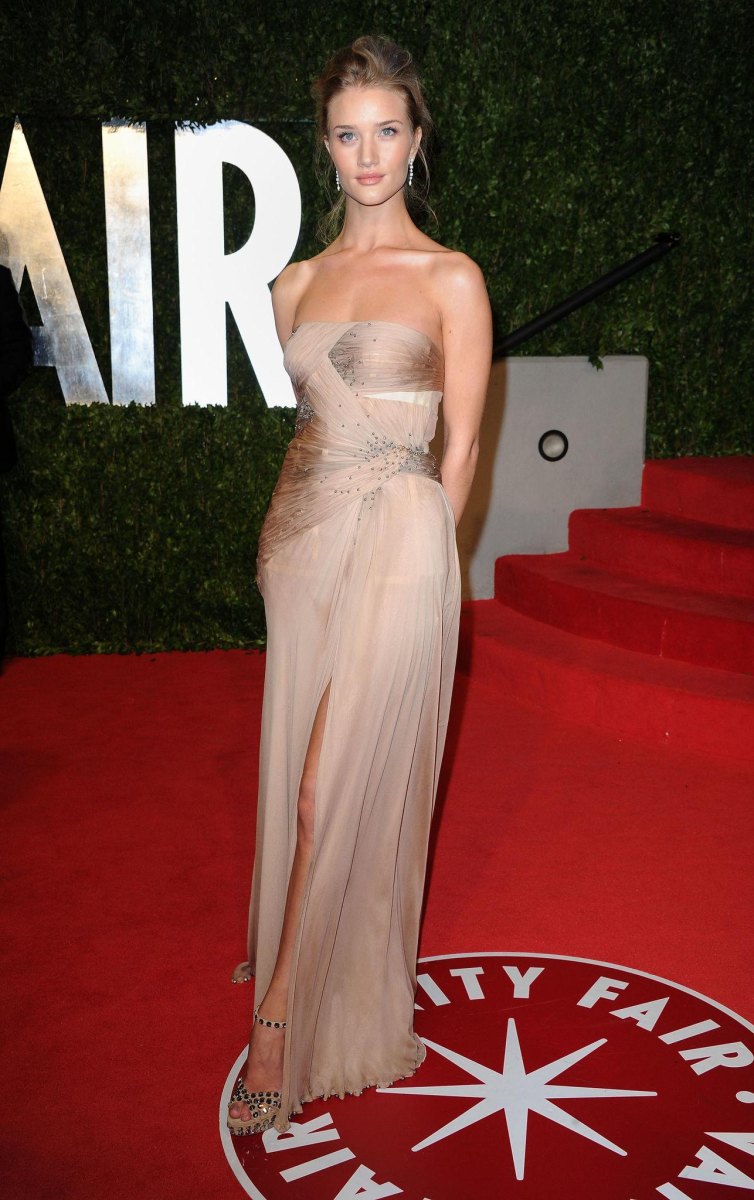
Vertical elements such as long seams, open jackets, and narrow patterns can create a feeling of movement. I use vertical styling details when I want an outfit to feel streamlined.
The best results come from keeping those lines visible rather than interrupting them with too many contrasting sections. Clean visual flow is the aim.
Select Shoes That Lengthen Your Legs
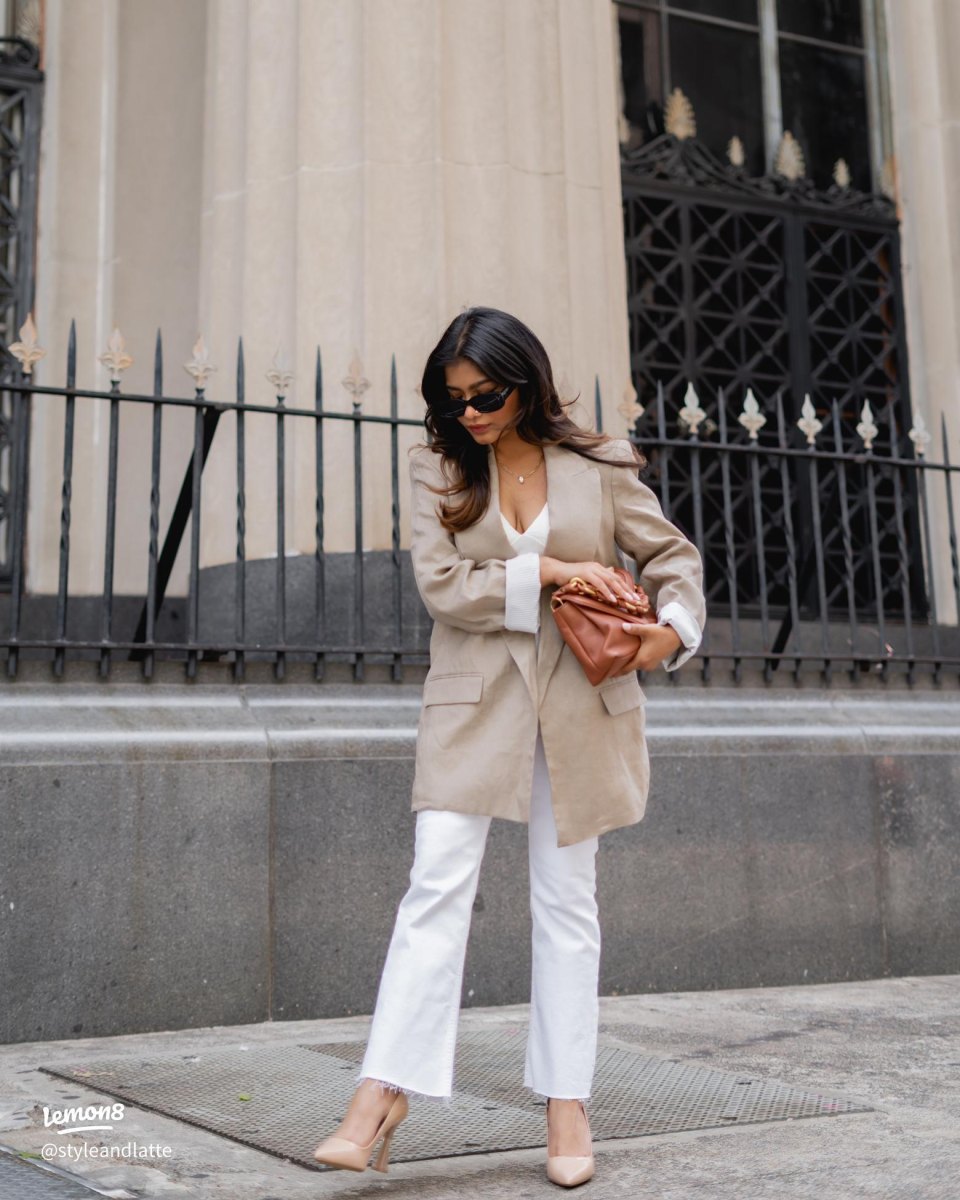
Shoes complete the outfit line, so I pay attention to shape and color. Pointed toes, low-profile designs, and coordinated shades can support a longer leg appearance.
The right shoe is not about a single style; it is about creating a smooth transition between clothing and footwear.
Tailor Your Clothes for a Perfect Fit
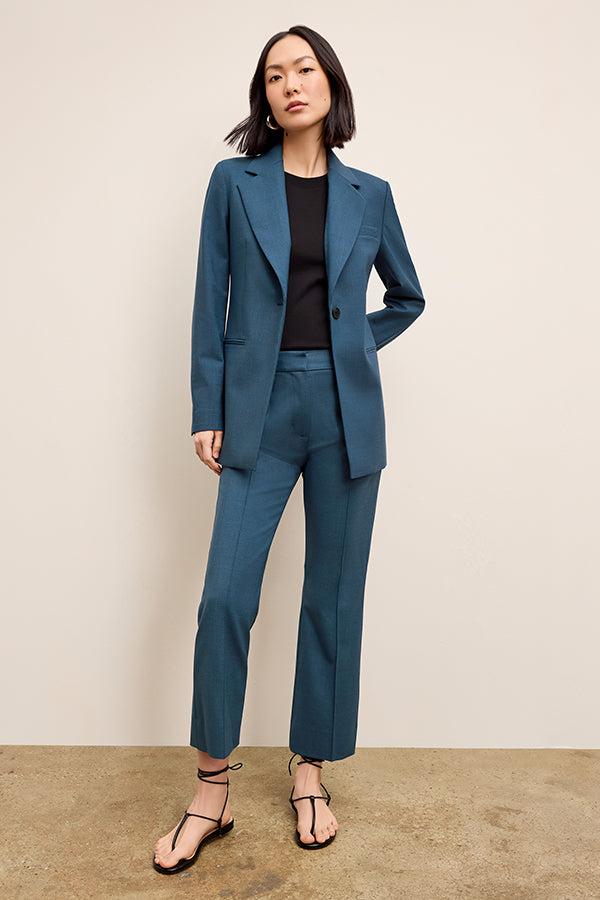
Fit is often the difference between an average outfit and a polished one. I consider small alterations valuable because sleeve length, hems, and waist placement affect the whole look.
A well-fitted garment supports natural proportions and helps wardrobe pieces work harder.
Choose Prints and Patterns That Suit Your Scale
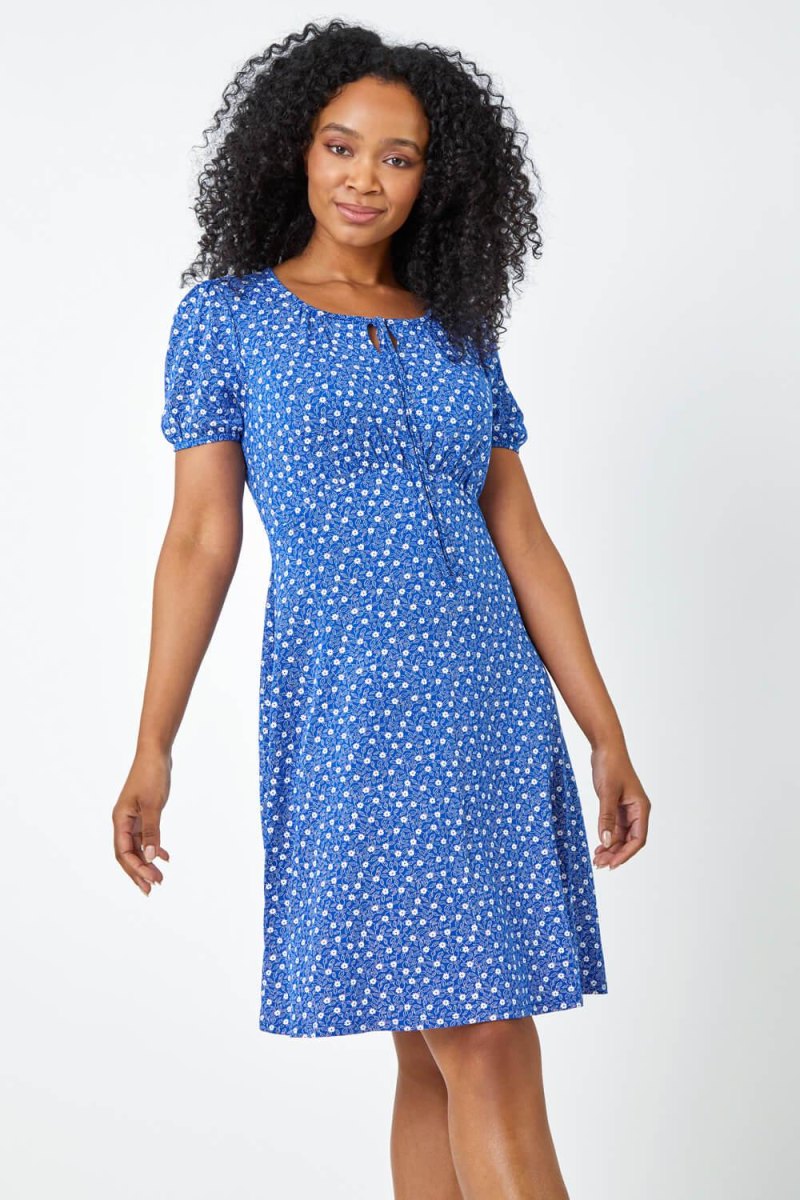
I avoid thinking of prints as forbidden. Instead, I choose patterns based on the garment shape and the overall outfit. Thoughtful pattern placement keeps the look cohesive.
Smaller prints, strategic placement, and balanced accessories can create a harmonious outfit scale.
Use Accessories to Enhance Your Proportions
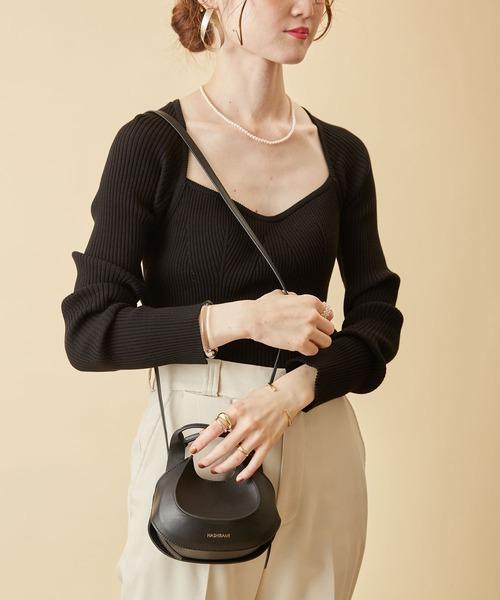
Accessories are finishing tools, not afterthoughts. I like pieces that support the outfit without hiding the clothing shape. Proportion-friendly accessories can make styling feel complete.
Smaller bags, delicate jewelry, and intentional details often create a refined final look.
Style Wide-Leg Pants the Petite-Friendly Way
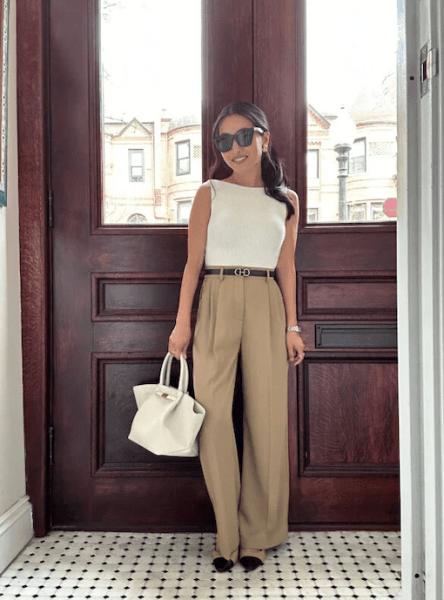
Wide-leg pants can be part of a petite wardrobe when the fit is considered. I focus on correct hem placement so the fabric falls cleanly.
Pairing them with fitted tops or defined waists creates proportion contrast that feels modern and wearable.
Build a Capsule Wardrobe with Versatile Pieces
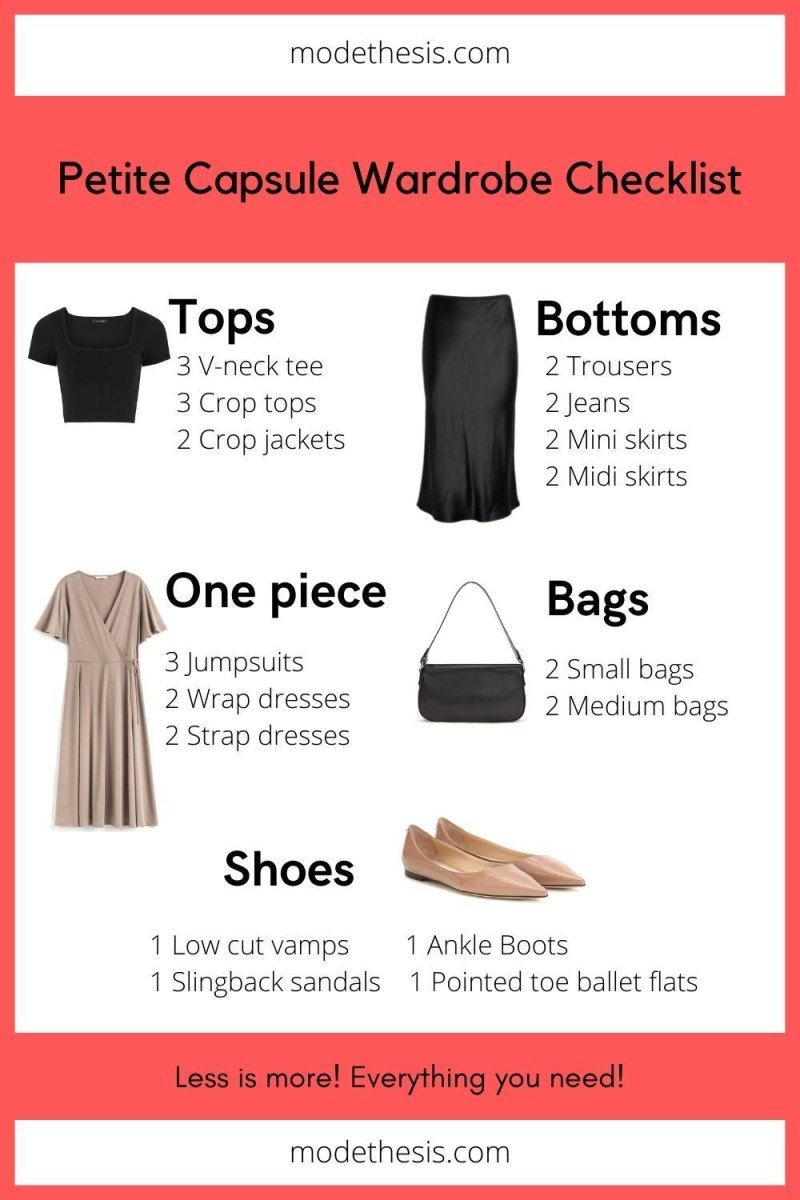
I prefer wardrobes built around reliable pieces rather than constant shopping. A versatile capsule wardrobe makes it easier to create outfits with consistent proportions.
Start with tailored basics, adaptable layers, and pieces you genuinely wear. The result is a practical personal style system that lasts beyond a single trend cycle.